News Summary
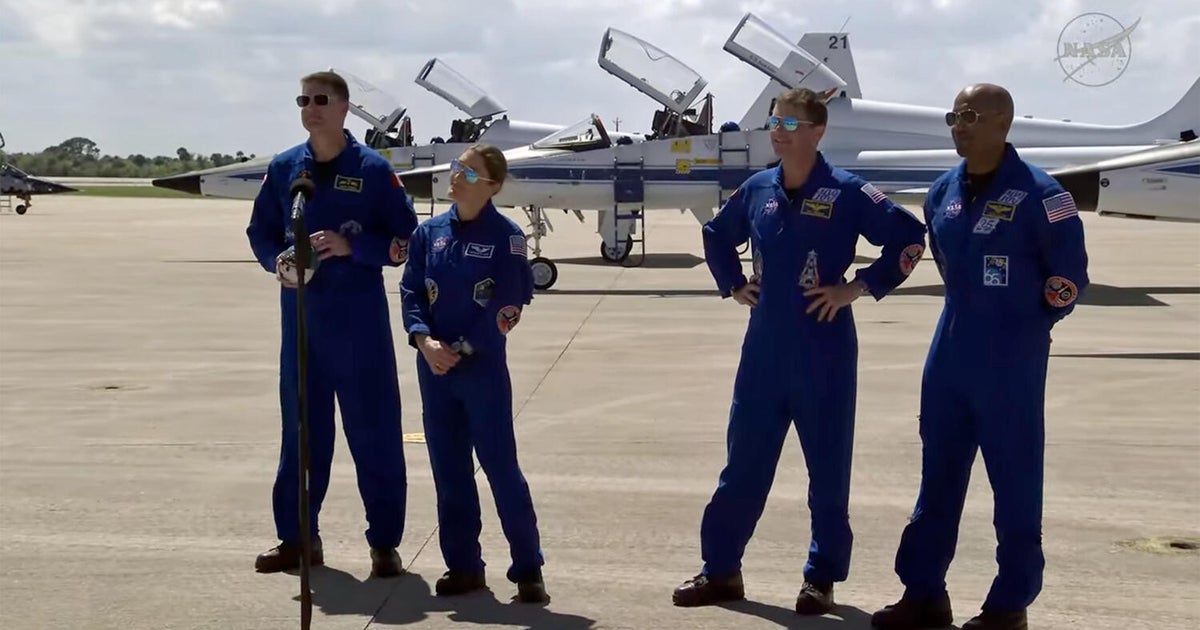
On March 27, 2026, Artemis II astronauts Reid Wiseman (commander), Victor Glover, Christina Koch, and Canadian astronaut Jeremy Hansen flew from Johnson Space Center to Kennedy Space Center, landing at about 2:10 p.m. ET to begin prelaunch preparations. Countdown clocks are expected to start March 30, with a planned launch attempt on April 1 at 6:24 p.m. ET within a two-hour window; the launch opportunity extends through April 6 due to orbital geometry and lighting constraints. The mission was previously delayed from early February because of hydrogen leaks found during fueling tests and a pressurization problem in the rocket’s upper stage propulsion system; engineers removed the Space Launch System (SLS) rocket to the Vehicle Assembly Building, traced the issue to an out-of-place seal, recharged batteries, and returned the vehicle to the pad. Artemis II will fly a nearly 700,000-mile trajectory, spend about 24 hours in Earth orbit to test Orion’s life-support and environmental systems with the crew aboard, then head to a lunar flyby that will pass approximately 4,100 miles from the far side of the Moon before returning for Pacific Ocean splashdown near San Diego, targeted April 10. The crew brought a plush zero-gravity indicator named “Rise,” which carries a computer card with names submitted in NASA’s “send your name around the moon” campaign. Artemis II is the second SLS flight and the first to carry astronauts; it is intended to inform follow-on missions, including tests of rendezvous and docking with commercial lunar landers and future plans for lunar landings and a lunar base near the south pole.
Biblical Reflection
This article reports a milestone in human exploration with a largely factual, optimistic tone. From a Christian perspective, scientific discovery and exploration can reflect our God-given curiosity and responsibility to steward creation (Genesis 1:28). The account highlights teamwork, technical problem-solving, and international cooperation—virtues that align with biblical calls to wisdom, community, and stewardship. At the same time, the coverage is celebratory and omits broader questions about cost, risk, and societal priorities; media pieces often focus on heroism and spectacle, which can encourage uncritical admiration of technological power. Christians should rejoice in human creativity and the ability to learn about God's creation, while remaining mindful of humility (not idolizing progress), wise stewardship of resources, and care for those affected by large programs. Prayful discernment helps balance appreciation for scientific achievement with ethical and spiritual questions about purpose, use of resources, and where ultimate hope is placed.
Scripture in context
This outlook does not yet include contextual Scripture citations. Do not treat a general biblical theme as an exegetical conclusion.
Faithful Response
No prescribed response is offered. Consider the reflection prompts below in your own church context.
Reflection and Discussion
- 1Does this celebration of human exploration lead me to rightly praise God for creation and human ingenuity, or does it risk becoming an idol of progress and power?
- 2What important ethical, fiscal, or social questions are often left unreported in optimistic mission coverage, and how should Christians weigh those concerns?
- 3How can international and interdisciplinary cooperation in missions like Artemis II model Christian commitments to common good, stewardship, and humble service?
Sources
Reporting links are evidence inputs; Sanctuary News' biblical reflection is commentary.
This outlook currently relies on fewer than two linked sources. Broaden verification before teaching from it.
- 1.Original reportprimary