News Summary
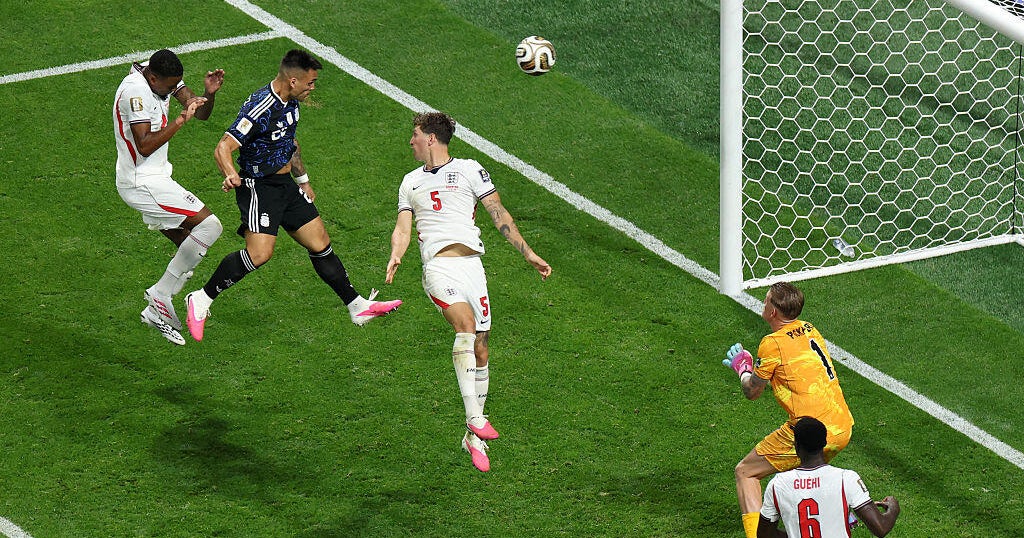
In the 2026 FIFA World Cup semifinal in Atlanta, Argentina defeated England 2-1 to advance to the final at MetLife Stadium against Spain. England took the lead in the 55th minute after Anthony Gordon converted a cross from Morgan Rogers. Argentina equalized in the 85th minute when Enzo Fernández struck from outside the penalty area. In stoppage time, substitute Lautaro Martínez headed in a cross from Lionel Messi to give Argentina the winning goal. The match was physical and tense, with play briefly held up early by referee Ismail Elfath; the teams combined for 19 fouls and two yellow cards, and the first half ended scoreless. Messi, 39, has eight goals in this tournament and is playing his sixth World Cup. Spain beat France 2-0 to reach the final; England will play France for third place. Ahead of the match, Argentina's Security Minister said some flags depicting the Falkland Islands would be prohibited under FIFA rules banning political content, a comment that prompted backlash in Argentina; Argentina's vice president used nationalistic language about the islands during the week. After the match, Messi and England captain Harry Kane exchanged handshakes and hugs; Argentina players celebrated vigorously while many England fans left immediately after the final whistle.
Biblical Reflection
The report is a straightforward match account with added context about the long-standing rivalry and a political layer tied to the Falkland/Malvinas dispute. The sports narrative highlights drama, skill, and national pride—natural features of international competition—but also uses combative metaphors that can amplify enmity. Christians can appreciate the display of talent and perseverance while remaining wary of sporting nationalism that slides into hostility. The article notes moments of good sportsmanship (Messi's embraces) alongside provocative political statements and security measures; this mix shows how sports can both unite and reopen wounds. Practically, the piece is factually focused on the game; readers should notice the subtle framing choices ("bitter rivalry," "war of attrition") and consider how language and political posturing can inflame rather than heal historical grievances. A faithful Christian response is to celebrate honest competition and human excellence, promote humility and respect toward opponents, and resist letting national pride devolve into dehumanization.
Scripture in context
This outlook does not yet include contextual Scripture citations. Do not treat a general biblical theme as an exegetical conclusion.
Faithful Response
No prescribed response is offered. Consider the reflection prompts below in your own church context.
Reflection and Discussion
- 1How does language that frames sport as "war" or "battles" shape our attitude toward opponents and national memory?
- 2When athletic events intersect with historical or political grievances, how can Christians witness reconciliation rather than stoke division?
- 3Are we prone to idolizing athletes or national victories in ways that distract from our commitments to justice, mercy, and neighbor-love?
Sources
Reporting links are evidence inputs; Sanctuary News' biblical reflection is commentary.
This outlook currently relies on fewer than two linked sources. Broaden verification before teaching from it.
- 1.Original reportprimary