News Summary
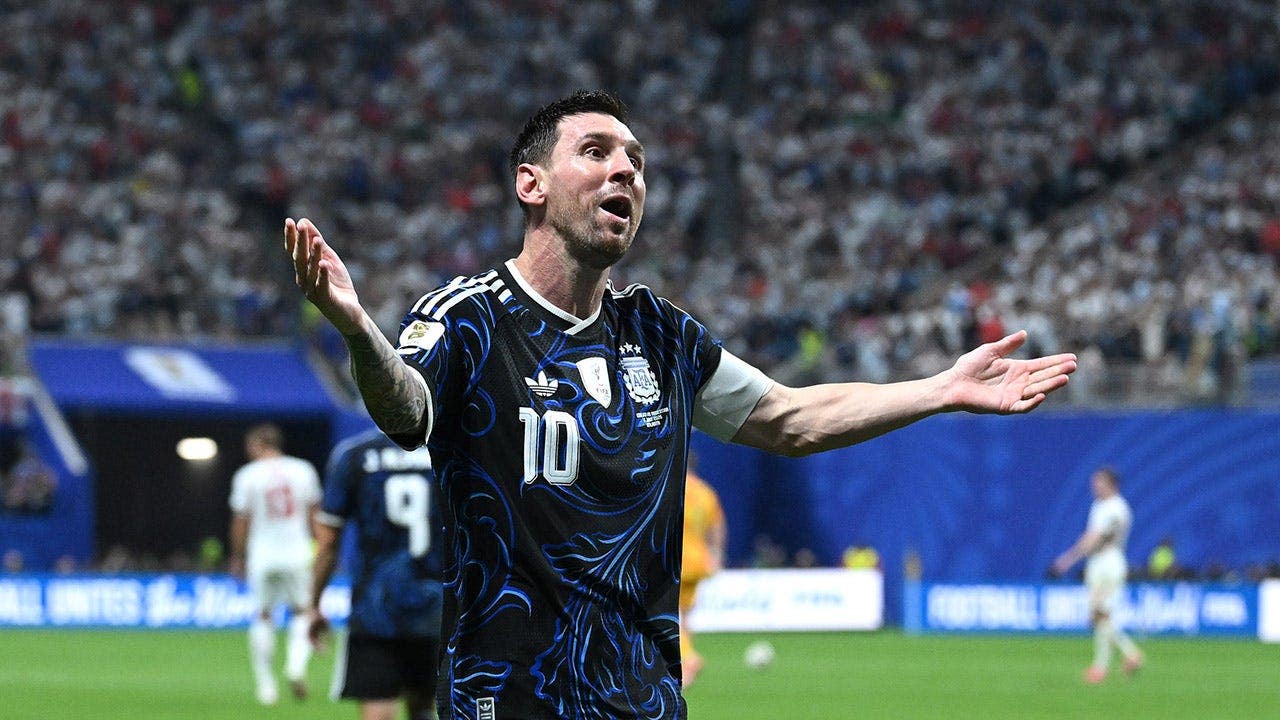
Reported facts: Dan Dakich previewed the Argentina–Spain 2026 World Cup final and stated Argentina's odds at +255; he praised Lionel Messi and said he would bet on Argentina to win; the article referenced match events (a disputed Spain vs. France penalty, an alleged Messi foot-step incident) and noted Messi's Golden Boot contention and FIFA's championship rings. Attributed claims: Dakich attributed some WNBA controversies to jealousy among players and relayed Adam Silver's characterization of Caitlin Clark as a 'political football' (as reported). Uncertainties: specific statistical claims cited in the column (e.g., Messi having more assists than Mbappé, Argentina scoring nine of 11 goals after the 79th minute) are reported without sourcing within the article and require independent verification.
Source and Framing Analysis
Source role: opinion/sports commentary published on Fox News/Outkick; the piece mixes factual reporting with the author's betting stance and moral judgments. Missing voices: players mentioned (Argentina, Spain, WNBA players, Caitlin Clark), referees/officials, FIFA or match statisticians, and representatives who could confirm the betting odds or the described incidents. Incentives: the author has incentives to entertain, drive engagement, and provide betting tips (the column explicitly endorses wagering), which can push toward confident predictions and colorful moralizing. Disputed claims: several statistics and interpretations are presented without independent sourcing (e.g., late-goal tally, assist counts, motives like 'jealousy'). What requires independent verification: official betting lines at sportsbooks, match event footage/details, official tournament statistics for goals/assists, and direct statements from Adam Silver or WNBA players.
Biblical Reflection
This article is a sports-opinion column mixing factual reporting (match results, odds) with pundit prediction and interpretation. From a Christian perspective, note two tendencies to evaluate: (1) the promotion of gambling — presented casually as part of fandom — raises questions about stewardship, self-control, and care for those vulnerable to addiction; (2) the column's explanation of interpersonal conflict (attributing WNBA controversies to 'jealousy') is a broad moral claim offered without voices from those involved and risks reducing complex dynamics to a moral judgment. Christians can appreciate celebrating human excellence and teamwork, but should resist idolizing athletes or wagering in ways that undermine responsibility to neighbor. The piece's worldview centers competition, status, and risk-taking, with limited attention to fairness, evidence, or the lived experience of those criticized. A faithful response emphasizes humility, truth-seeking, protection of the vulnerable (including those harmed by gambling), and charity toward those who disagree or are criticized in public forums.
Scripture in context
- 1Philippians 2:3-4 — Paul writes to a church struggling with rivalry and self-promotion, urging believers to value others above themselves and to look to the interests of others as an expression of Christlike humility. — In applying this to sports commentary and fandom, the passage calls Christians to avoid boastful or demeaning speech about competitors, to resist making others means to our entertainment or gain (including through gambling), and to seek the wellbeing of teammates, opponents, and vulnerable fans.
Faithful Response
Evaluate personal participation in sports betting: set strict limits or abstain if gambling undermines family finances or spiritual priorities.
Respond to public criticism of athletes with charity: seek fuller context before accepting moral explanations (like 'jealousy') and avoid spreading unverified moral judgments.
Pray for athletes and officials, recognizing them as neighbors made in God's image, and advocate for fair treatment and accurate reporting.
Reflection and Discussion
- 1What incentives (entertainment, clicks, betting culture) shape a pundit's framing of sports events and might skew how facts are presented?
- 2When commentators offer moral explanations (e.g., 'jealousy' among players), what evidence is missing and whose perspectives are absent?
Sources
Reporting links are evidence inputs; Sanctuary News' biblical reflection is commentary.
This outlook currently relies on fewer than two linked sources. Broaden verification before teaching from it.
- 1.Argentina at +255 to win the World Cup final is a value bet Lionel Messi backers cannot ignoreprimary_reporting