News Summary
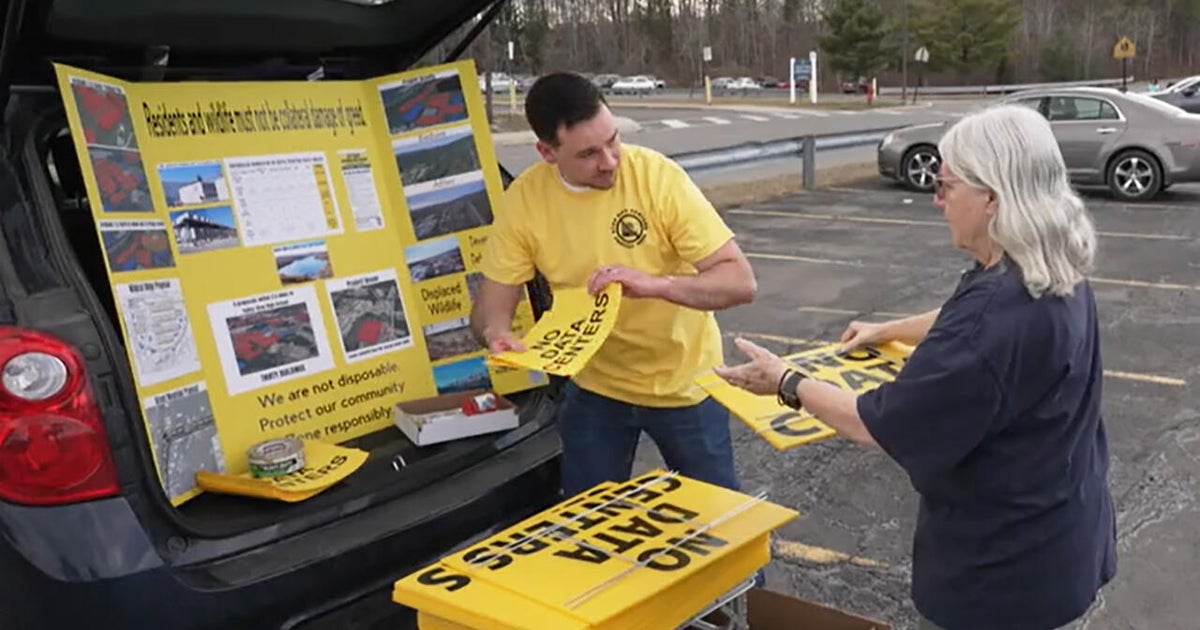
Archbald, a borough of about 7,000 in northeastern Pennsylvania, is facing proposals for multiple data centers; residents and a neighborhood association say roughly a half-dozen have been proposed and one application for a campus of 18 data centers has encountered a setback. Local residents—including teachers and nurses—express concerns about environmental impacts, loss of trees and landscape character, and rising electric utility bills. At a March 10 borough meeting, opponents publicly protested and urged developers to leave. Nationally, more than 4,000 data centers operate in the U.S., with additional construction underway in locations such as Loudoun County, Virginia. Tech-industry representatives, including Digital Realty CEO Andy Power, argue data centers are needed to support AI development and promise local benefits; some politicians, including Pennsylvania Senator Dave McCormick and former President Trump, emphasize economic advantages. Others in Congress, including Sen. Bernie Sanders and Rep. Alexandria Ocasio-Cortez, have proposed legislation (the AI Data Center Moratorium Act) calling for a pause on data center construction until stronger AI-related regulation is in place. The article reports the local conflict, differing claims about jobs and revenue, and the broader national debate over the pace of data center expansion and its regulation.
Biblical Reflection
From a biblical perspective this story raises familiar tensions: the good of technological progress and economic opportunity versus the duty to steward creation and protect neighbors. The industry frames data centers as engines of innovation and public benefit; local residents emphasize environmental harm, community character, and potential financial burdens. Both sides make claims that can be true in part but overstated in rhetoric. Christians are called to seek truth (Ephesians 4:25), to care for creation (Genesis 2:15), and to love neighbors by protecting the vulnerable from hidden harms (James 2:15–16). That means evaluating promises of jobs and tax revenue against transparent data about energy use, water impacts, utility costs, and long-term land use. It also means honoring legitimate local concerns and civic processes rather than dismissing dissent as merely NIMBYism or anti-progress. Faithful response includes advocating for clear regulation and accountability, insisting on honest cost-benefit disclosure from developers, and protecting those who may disproportionately bear the costs (low-income households, future generations, local ecosystems). Beware of two common biases: industry messaging that presents technological growth as an unalloyed good that must not be slowed, and activist framing that treats all progress as inherently destructive. A Christian posture is neither reflexive rejection nor uncritical embrace; it is a sober, justice-minded prudence that pursues the common good while stewarding creation and defending neighbors.
Scripture in context
This outlook does not yet include contextual Scripture citations. Do not treat a general biblical theme as an exegetical conclusion.
Faithful Response
No prescribed response is offered. Consider the reflection prompts below in your own church context.
Reflection and Discussion
- 1Whose interests are most emphasized in the article—residents, corporations, or policymakers—and whose voices are missing or underrepresented?
- 2What concrete data would help a community weigh promised economic benefits against environmental and utility costs, and are those data being requested and made public?
- 3Are calls for rapid technological expansion framed as inevitable progress, and how should a Christian balance responsible stewardship with legitimate economic opportunities?
Sources
Reporting links are evidence inputs; Sanctuary News' biblical reflection is commentary.
This outlook currently relies on fewer than two linked sources. Broaden verification before teaching from it.
- 1.Original reportprimary