News Summary
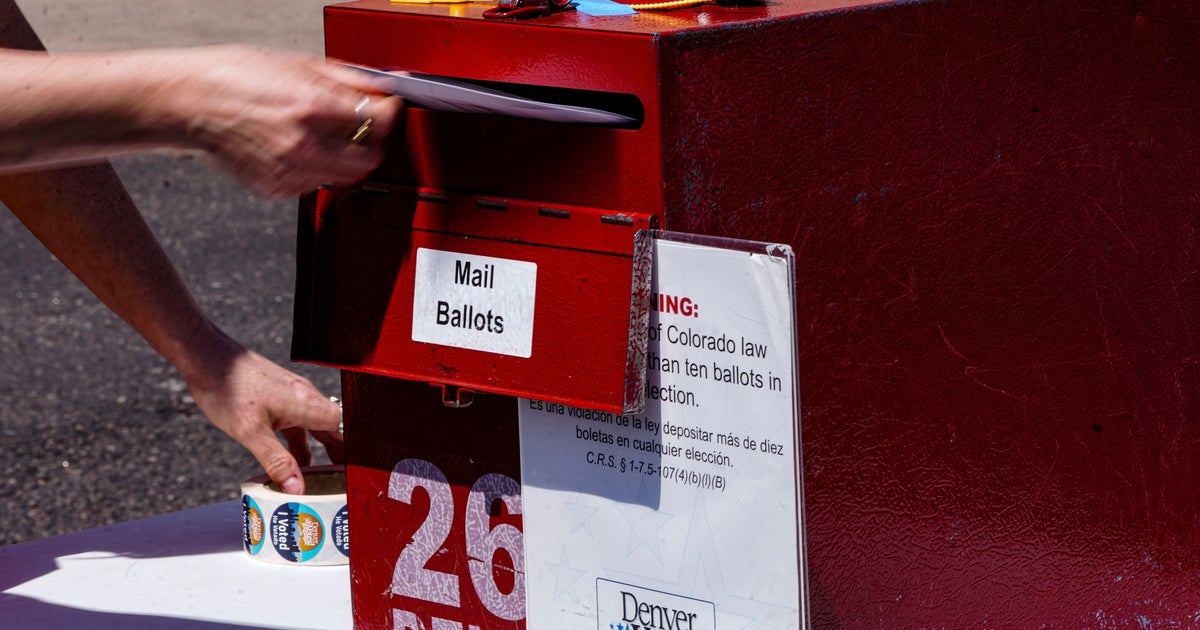
Reported facts: CBS News reports that a federal appeals court upheld a judge's ruling that had halted President Trump's attempt to create a federal voter list and to limit who could receive mail ballots. Attributed claims: the article attributes the order and its goals to President Trump and to the earlier judge's injunction. Uncertainty: the report provides no details on which appeals court issued the decision, the legal reasoning used by the courts, the precise language of the presidential order, or the potential next steps (e.g., further appeals or enforcement actions).
Source and Framing Analysis
The supplied report is a brief factual summary lacking courtroom detail and legal context (which court, what statutory or constitutional issues were central, or the judge’s reasoning). That absence of detail materially affects how much can be concluded from the headline-level report: legal significance may vary depending on the court's grounds and scope of the injunction. The piece does not present competing perspectives, evidentiary findings, or practical effects on election administration.
Biblical Reflection
Courts and elections: Christians should value both the rule of law and broad, fair access to civic participation. A court decision that blocks an executive action affecting who may vote by mail raises questions about separation of powers, proper legal process, and the protection of citizens’ voting rights. The limited reporting here points to judicial review functioning as a check on a unilateral executive action, which aligns with civic structures designed to protect vulnerable populations and the integrity of elections.
As you read this, watch for two tensions: the need to protect the integrity of elections (truth and accountability) and the need to ensure access to the franchise (justice and neighbor-love). Both are Christian concerns. The article’s short summary gives little context about motives, evidence, or the court’s legal findings; Christians should be cautious about drawing moral or political conclusions before seeing the court’s opinion and more reporting. Prayerful humility, attention to facts, and advocacy for fair processes are appropriate responses.
Finally, remember that how institutions operate is a matter for Christian stewardship — not only protecting rights but also insisting on honest, lawful, and transparent methods. The posture we carry into civic debates should reflect Christlike justice, mercy, and courage: defend the vulnerable, insist on truth, and seek the common good even amid partisan conflict.
Scripture in context
- 1Proverbs 31:8-9 — In Proverbs, this passage urges speaking up for those who cannot speak and defending the rights of the poor and needy; it appears in the wisdom literature addressing righteous living and social justice within the community. — It calls Christians to defend fair treatment and the rights of vulnerable people, including ensuring access to civic processes like voting and resisting actions that would silence or disenfranchise.
- 2Romans 13:1-7 — Paul’s letter to the Romans includes instruction about the role of governing authorities as instruments for order and justice; historically this passage has been read as a call to respect lawful authority while also recognizing that authorities are accountable. — It supports the Christian commitment to lawful governance while encouraging Christians to seek just laws and to hold authorities accountable when actions threaten justice or the common good.
Faithful Response
Pray for judges, election officials, and public leaders for wisdom, fairness, and restraint.
Seek fuller information before forming strong public judgments; read court opinions and coverage from multiple reliable sources when available.
Support nonpartisan civic participation: volunteer at voter-registration drives, help with poll access, or assist neighbors in lawful ballot access.
Model civil discourse and avoid amplifying unverified claims about motives or outcomes.
Reflection and Discussion
- 1How do Scripture and the life of Christ shape my priorities when civil authorities restrict or expand access to voting?
- 2What evidence would I need to confidently judge whether an executive action affecting voting was an abuse of power or a legitimate policy change?
- 3How can my local church help ensure fair and accessible voting without taking on partisan roles?
Sources
Reporting links are evidence inputs; Sanctuary News' biblical reflection is commentary.
This outlook currently relies on fewer than two linked sources. Broaden verification before teaching from it.
- 1.U.S. appeals court upholds ruling blocking Trump's order on mail-in votingprimary_reporting