News Summary
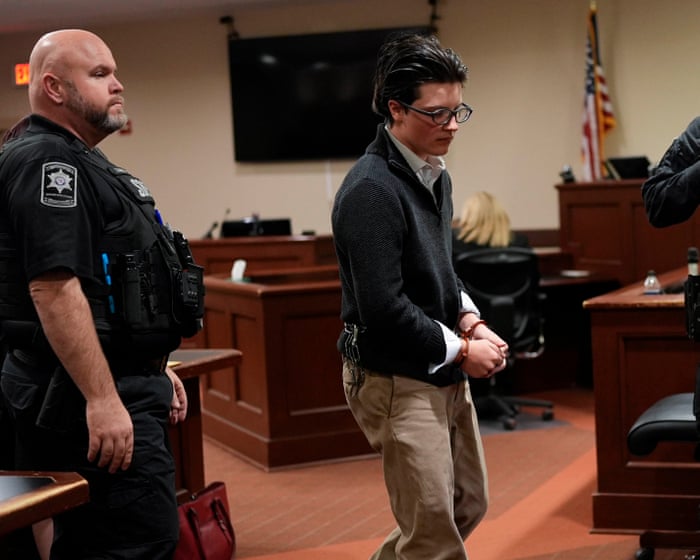
Reported facts: On 4 September 2024 a shooter killed four people at Apalachee High School in Georgia. The shooter, Colt Gray, was 14 at the time. On 24 July 2026, at a sentencing hearing, Gray (reported as 16) admitted to 55 charges, including second-degree murder and four counts of murder. Family members, including Shayna Aspinwall (wife of teacher Richard Aspinwall), spoke and described the lasting trauma.
Attributed claims: The article attributes the quoted line about a “life sentence of grief and trauma” to Shayna Aspinwall, reported as spoken during the sentencing hearing. Uncertainties: The piece does not provide full details of the legal disposition (final sentence length), motive, the weapon used, mental-health findings, or broader community safety measures.
Source and Framing Analysis
The Guardian report focuses on the sentencing hearing and victim impact testimony, centering survivors’ voices and trauma. Material uncertainties that affect the story include the lack of reporting on the legal outcome of the hearing (specific sentence imposed), motive or background information on Gray, and corroborating details from court records or additional reporting. The framing emphasizes the human cost and grief; that emphasis is appropriate given the facts but leaves gaps about judicial process and prevention context.
Biblical Reflection
This story brings into sharp relief the deep human cost of violence — not only the immediate loss of life but the long, ongoing suffering of families and communities. Christian concern must begin with compassion for the bereaved: grieving is a spiritual and communal work that requires presence, lament, and solidarity. Scripture repeatedly locates God near the brokenhearted and calls the faithful to bear one another’s burdens.
At the same time, the call to justice and truth remains: congregations should seek to support lawful processes that protect the vulnerable and hold perpetrators accountable while resisting simplistic narratives that reduce complex causes to a single factor. Christians must avoid turning suffering into political fodder or entertainment; instead, pursue practical care for survivors, advocate for safer schools, and work toward restorative practices that acknowledge both harm and the need for redemption.
Finally, the community response should model humility and mercy without excusing wrongdoing. We can pray for the families, for those who committed the harm, and for public leaders to pursue policies that prevent future tragedies — all while recognizing that no policy or sermon removes the concrete losses families now carry.
Scripture in context
- 1Psalm 34:18 — A psalm expressing trust in God amid affliction and the promise that God is close to the brokenhearted; traditionally used in Jewish and Christian lament contexts. — This passage speaks into situations of loss and trauma by reminding believers that God is present with those who mourn, prompting pastoral practices of lament, presence, and consolation rather than platitudes.
- 2Romans 12:17-21 — Paul urges Christians not to repay evil for evil, to live peaceably with all as far as it depends on them, and to overcome evil with good — set inside instructions for Christian conduct within a pagan society. — These verses challenge Christians to seek justice without seeking revenge, to pursue the protection of the vulnerable, and to cultivate responses that prioritize peace, restoration where possible, and the pursuit of the common good.
Faithful Response
Pray and lament specifically for the victims’ families and for the community, naming grief and anger honestly rather than offering quick answers.
Provide concrete support: offer meals, child care, transportation, financial assistance, or help navigating counseling and legal resources for affected families.
Engage responsibly in public conversation: advocate for evidence-based school safety measures and mental-health resources while resisting sensationalism and stigmatizing language about youth or mental illness.
Reflection and Discussion
- 1How should the church balance calls for accountability with practices of mercy and care when an offender was a minor?
- 2What structures (pastoral, educational, civic) are missing or failing in our community that allow such violence, and how might Christians responsibly work to strengthen them?
- 3In what ways can our congregation accompany grieving families over the long term rather than offering only short-term responses?
Sources
Reporting links are evidence inputs; Sanctuary News' biblical reflection is commentary.
This outlook currently relies on fewer than two linked sources. Broaden verification before teaching from it.
- 1.Georgia school shooter handed victims’ families ‘life sentence of trauma’, court hearsprimary_reporting