News Summary
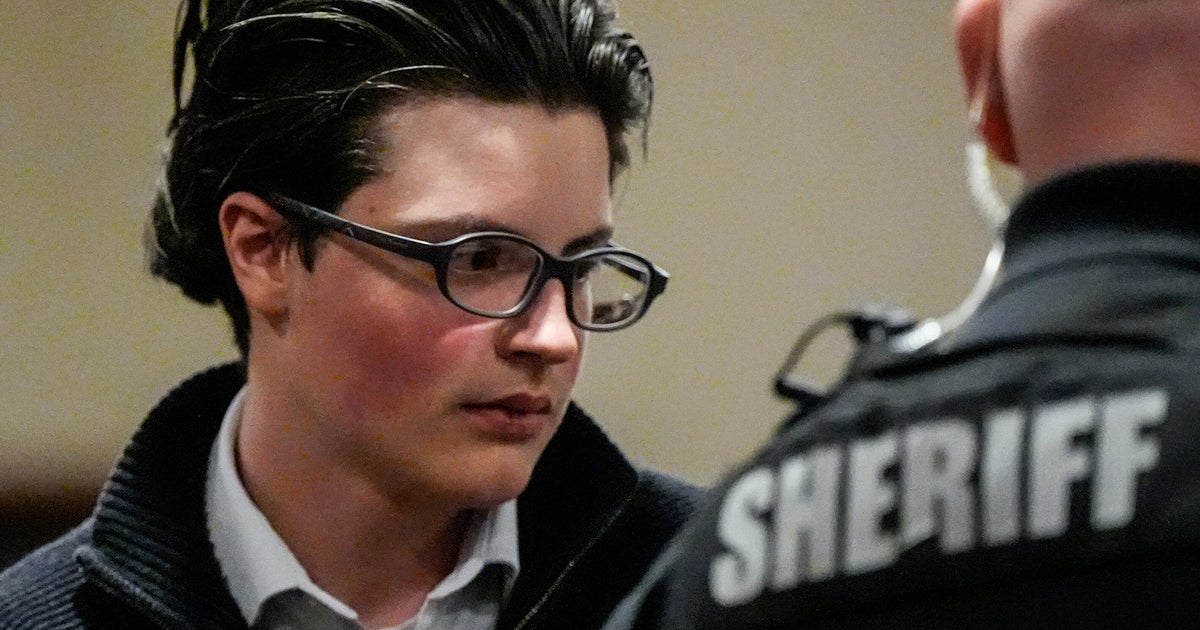
Court documents filed in Barrow County Superior Court show Colt Gray — a teen charged in the 2024 Apalachee High School shooting — is scheduled to appear July 24 for a non‑negotiated plea and sentencing hearing. Gray, who was 14 at the time of the attack, had earlier been charged as an adult and pleaded not guilty; he faces 55 counts including malice murder, aggravated battery and aggravated assault, with statutory exposure of up to 30 years on second‑degree murder counts and up to 180 years in total. Attorneys indicated late in 2025 that Gray was negotiating a plea deal and the judge set a deadline. Gray has remained in custody at a juvenile detention center since his arrest. Separately, his father, Colin Gray, was convicted in March of second‑degree murder and other charges; prosecutors say the father admitted giving his son the rifle used in the attack and ignored prior warning signs. Prosecutors have described details of the 2024 attack: the shooter carried a semiautomatic rifle onto the school bus with the barrel exposed, left class, emerged from a bathroom with the weapon, and fired in a classroom and hallways; he also allegedly left a notebook with handwritten instructions and a classroom diagram. The plea hearing is set for July 24 in Winder, Georgia.
Biblical Reflection
This report is a factual update on a criminal case tied to a school massacre that killed students and teachers. The facts point to multiple layers of responsibility: the direct violence of the killer, the legal accountability of a parent who provided the weapon, and the legal system now processing plea negotiations. Christian discernment calls for clear-eyed attention to truth — the need to hold perpetrators accountable — paired with compassion for victims, survivors, and a broken community. The article centers criminal facts and courtroom procedure but says little about prevention, mental‑health supports, school safety measures, or community healing; that absence can steer public focus toward punishment alone rather than long‑term care and prevention. Christians should resist voyeuristic or partisan cravings for drama and instead advocate for justice that protects the vulnerable, mercy that allows for repentance when genuine, and humility in recognizing systemic failures (family dynamics, gun access, mental‑health gaps). We should also be cautious of narratives that reduce complex causes to single explanations and be ready to support both lawful accountability and practical efforts to prevent future violence.
Scripture in context
This outlook does not yet include contextual Scripture citations. Do not treat a general biblical theme as an exegetical conclusion.
Faithful Response
No prescribed response is offered. Consider the reflection prompts below in your own church context.
Reflection and Discussion
- 1Whose voices are missing from this report (survivors, counselors, school officials) and how does that absence shape our understanding of causes and solutions?
- 2How does focusing on legal outcomes alone change public appetite for prevention measures like mental‑health care, parental accountability, and school safety reforms?
- 3Are we holding together a call for accountability with a commitment to mercy and long‑term restoration, or treating this only as a criminal spectacle?
Sources
Reporting links are evidence inputs; Sanctuary News' biblical reflection is commentary.
This outlook currently relies on fewer than two linked sources. Broaden verification before teaching from it.
- 1.Original reportprimary