News Summary
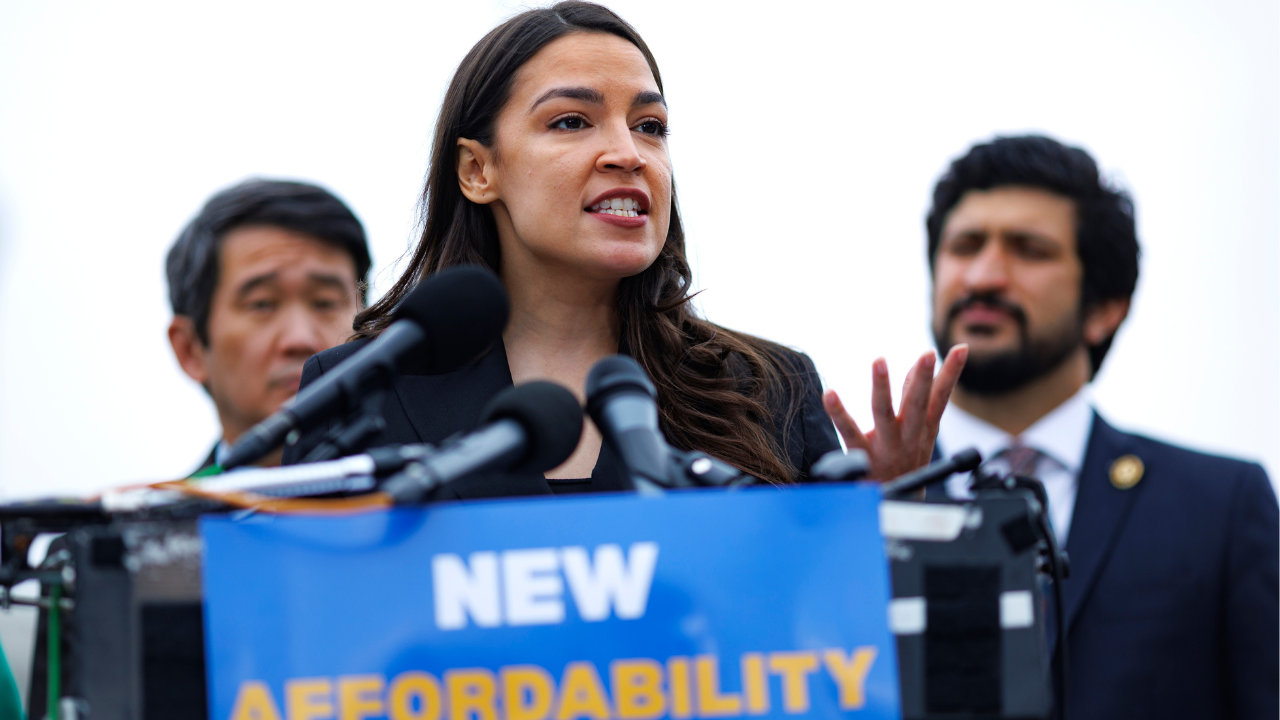
In New York's 2026 Democratic primaries, Rep. Alexandria Ocasio-Cortez easily won renomination in her Bronx–Queens district. Candidates backed by New York City Mayor Zohran Mamdani and allied progressives won several notable contests: Darializa Avila Chevalier narrowly defeated incumbent Rep. Adriano Espaillat; Claire Valdez beat Brooklyn Borough President Antonio Reynoso to succeed retiring Rep. Nydia Velázquez; and Brad Lander defeated Rep. Dan Goldman. Bernie Sanders and Mamdani supported some of those campaigns. Ocasio-Cortez largely abstained from endorsing in those primaries but the leftward wins have prompted renewed public speculation about whether she might run for president in 2028 or mount a primary challenge to Senate Leader Chuck Schumer, who faces re-election in two years. Commentators quoted in the piece offered competing views, noting that New York City's far-left electorate may not reflect the national Democratic electorate; other primary results in the state included Micah Lasher winning the Manhattan seat formerly held by Jerry Nadler, Cait Conley winning the 17th District primary, and former Rep. Ben McAdams winning a Utah Democratic primary. The article includes analysis and quotes from partisan strategists and progressive organizers about the implications for party power and future races.
Biblical Reflection
The article reports verifiable election outcomes but mixes factual coverage with partisan framing and speculation. Its repeated emphasis on a "leftward lurch" and on AOC as an emergent national threat reflects both the outlet's editorial tone and the selection of sources who are partisan or rhetorically charged. Christians seeking clarity should separate two questions: the factual (who won which races) and the speculative (who will run for higher office and what that will mean nationally). Facts here are straightforward; the bigger claims about national consequences are conjecture. As disciples called to truth and neighbor-love, we should guard against reducing political opponents to caricatures, avoid consuming only media that affirms our fears, and evaluate policy proposals by how they serve the vulnerable, promote justice, and steward resources. At the same time, Christians should speak with courage about moral concerns and pursue the common good without demonizing those with different views. The tone of much political coverage — alarmist labels, selective sourcing, and betting on personality-driven narratives — encourages anxiety and partisanship rather than sober judgment and charity.
Scripture in context
This outlook does not yet include contextual Scripture citations. Do not treat a general biblical theme as an exegetical conclusion.
Faithful Response
No prescribed response is offered. Consider the reflection prompts below in your own church context.
Reflection and Discussion
- 1How does the language and choice of sources in this article shape your view of the winners—are opponents portrayed as people or as symbols?
- 2What evidence would you need to treat speculation about a national campaign as likely rather than merely possible?
- 3Which policy outcomes from these primary wins should prompt a Christian concern for justice, mercy, and neighbor-care regardless of partisan labels?
Sources
Reporting links are evidence inputs; Sanctuary News' biblical reflection is commentary.
This outlook currently relies on fewer than two linked sources. Broaden verification before teaching from it.
- 1.Original reportprimary