News Summary
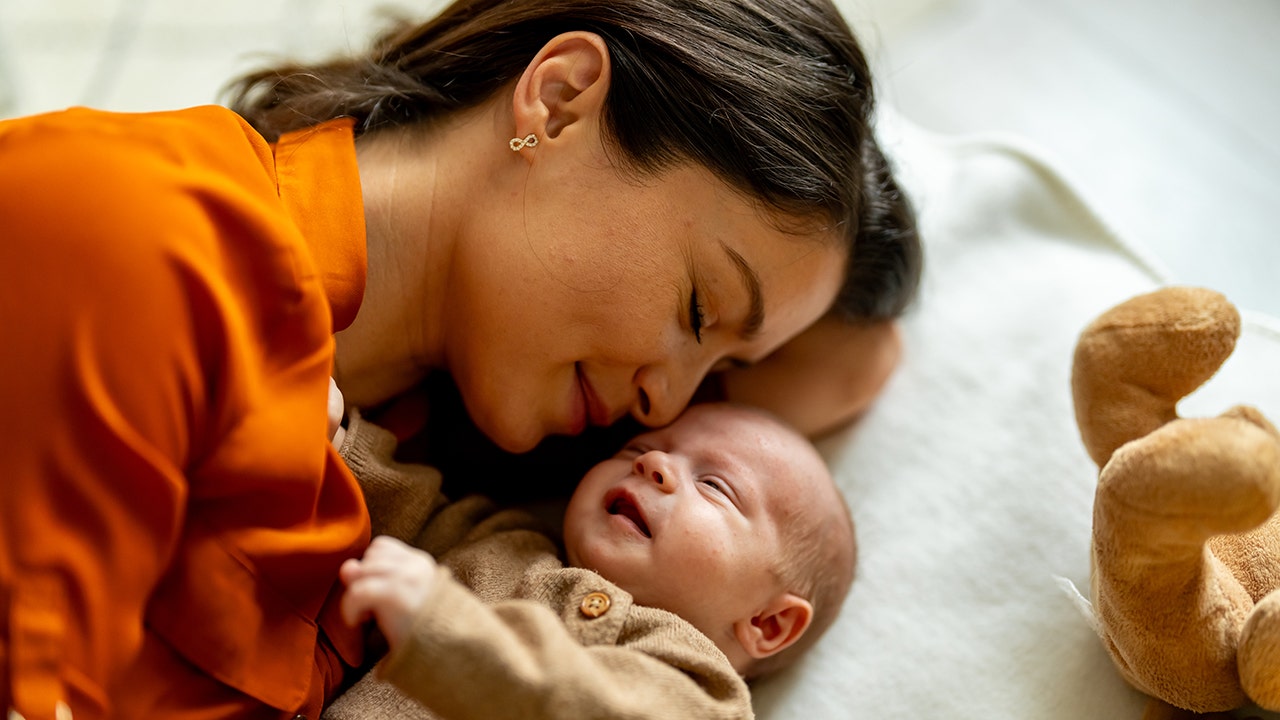
Anne Schlafly, chairman of Eagle Forum and daughter of Phyllis Schlafly, wrote an opinion piece published on Fox News arguing that Phyllis Schlafly’s lifelong emphasis on motherhood was correct and that contemporary feminist culture has devalued motherhood. The piece connects several points: it cites a perceived “birth dearth” and claims cultural messages that prioritize careers over family contribute more to low birth rates than lack of government money; it states that about 40% of U.S. births occur outside marriage and asserts that children fare better when raised by married mothers and fathers. Schlafly criticizes taxpayer-funded daycare and argues that institutional child care cannot substitute for maternal care, claiming such subsidies harm children, mothers, daycare workers, taxpayers, and stay-at-home mothers while benefiting daycare administrators and politicians. She proposes policy alternatives such as increasing the dependent deduction on income taxes rather than subsidizing childcare. The column frames these positions as honoring mothers and cites Phyllis Schlafly’s personal practices and initiatives (e.g., a homemaker award) as examples.
Biblical Reflection
This piece affirms a biblical conviction that children are precious and that parents (especially mothers, in the author’s emphasis) have a vital role in nurturing them. Christians can affirm the writer’s insistence that children need love, speech, and attentive care and should not be treated as mere economic units. However, the column blends cultural commentary, personal witness, and policy claims without providing supporting empirical evidence for several causal assertions (for example, that feminist ideology is the main cause of low birth rates or that taxpayer-funded childcare necessarily undermines family stability and wages). The writer’s worldview is traditionalist and individual-responsibility oriented, prioritizing parental care and limited government. From a biblical perspective, this resonates with passages that value family life and parental instruction (e.g., Deuteronomy 6; Psalm 127). At the same time, Scripture also calls the community and rulers to care for orphans, widows, and the vulnerable (James 1:27; Isaiah 1:17). That means Christians should evaluate policy proposals by their real-world effects on vulnerable children and struggling families, not only by ideological commitments. Practically, a faithful Christian response will combine support for parental care and encouragement of family formation with compassionate, evidence-based aid for single parents, low-income families, and foster/adoptive systems. Be wary of absolutist claims that dismiss empirical complexity or that implicitly shame or exclude those who, for various reasons—economic, relational, or vocational—do not fit the stay-at-home-parent model. A biblically faithful posture honors motherhood and fatherhood, seeks the flourishing of children, and pursues justice and mercy in public policy.
Scripture in context
This outlook does not yet include contextual Scripture citations. Do not treat a general biblical theme as an exegetical conclusion.
Faithful Response
No prescribed response is offered. Consider the reflection prompts below in your own church context.
Reflection and Discussion
- 1What specific evidence would best test the author’s claims that cultural messaging, rather than economic policy, is the primary driver of lower birthrates and higher rates of births outside marriage?
- 2How should Christians weigh the value of parental, especially maternal, caregiving against the biblical call to care for vulnerable children through communal or governmental means?
- 3Does the article treat single or working parents with the compassion Scripture requires, and how might Christian public witness combine support for families with practical programs that help those who are struggling?
Sources
Reporting links are evidence inputs; Sanctuary News' biblical reflection is commentary.
This outlook currently relies on fewer than two linked sources. Broaden verification before teaching from it.
- 1.Original reportprimary