News Summary
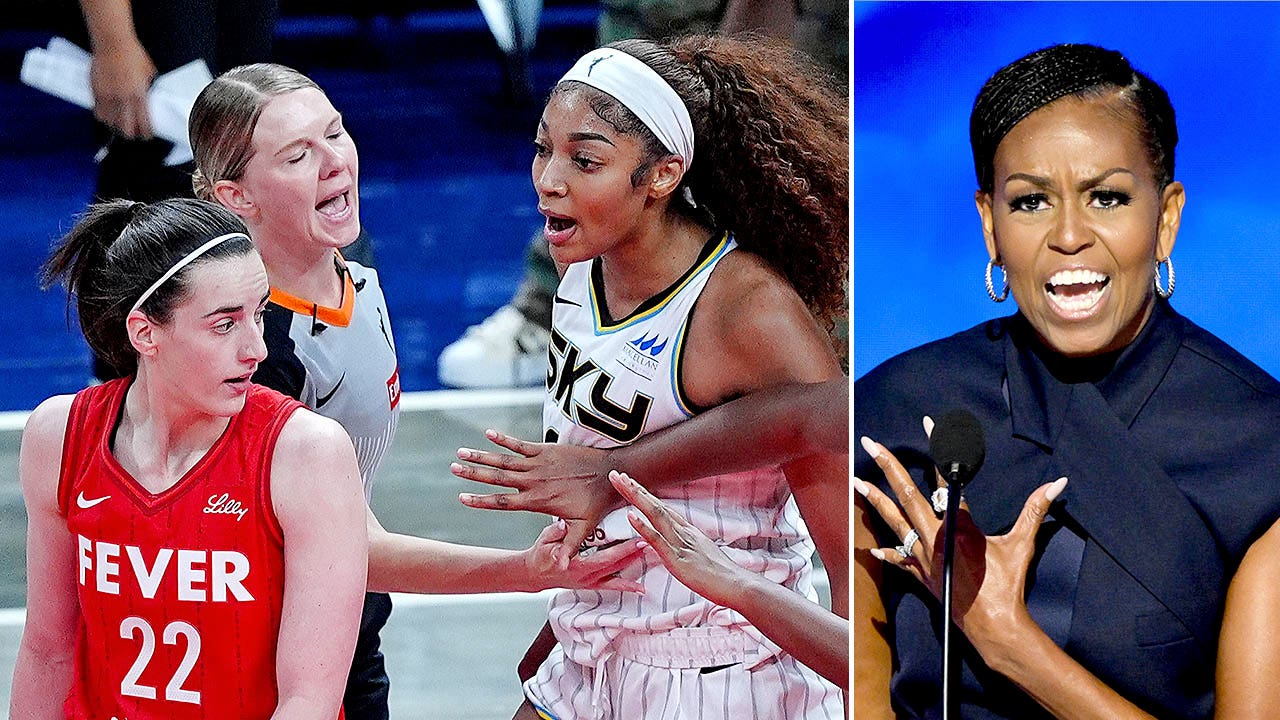
On Michelle Obama’s podcast, guest Angel Reese said she would rather accept a league fine than speak to reporters after games, citing negative treatment by fans and the media. Michelle Obama and her brother, Craig Robinson (a co-host), expressed agreement and defended Reese’s handling of media pressure. Reese described turning off her phone at home and distancing herself from social media as part of maintaining wellbeing. The article notes the WNBA’s collective bargaining agreement requires players to be available to media postgame and that failing to do so can result in fines (the article references fines such as $10,000). The piece also recounts prior public comments by Michelle Obama comparing sports media to reality television and earlier discussion of the attention around Angel Reese and Caitlin Clark.
Biblical Reflection
This story raises two intersecting realities: the genuine emotional cost of public scrutiny on athletes, and the institutional expectation of accountability that comes with professional sports contracts. From a compassionate standpoint, Reese’s desire to protect her mental health and set boundaries around social media and press interactions is understandable and aligns with wise stewardship of one’s wellbeing. At the same time, intentionally paying fines to avoid required postgame media obligations is a tension point: Christians are called to keep commitments and to give an honest witness in public life. There is a moral cost to normalizing avoidance of accountability for the sake of personal comfort, because it can erode trust and the opportunity for measured, truthful engagement. The media’s tendency to dramatize sports rivalries and to amplify negative commentary—what Obama and Robinson describe as “manufacturing” drama—reminds readers to be cautious about accepting sensational frames wholesale. Christians should hold both truths together: advocate mercy and support for those under intense pressure, while also valuing responsible use of public platforms, fulfillment of contractual obligations, and openness to accountability done in a manner that protects dignity. Seek information that distinguishes between personal self-care, legitimate grievance with media practices, and choices that evade responsibility.
Scripture in context
This outlook does not yet include contextual Scripture citations. Do not treat a general biblical theme as an exegetical conclusion.
Faithful Response
No prescribed response is offered. Consider the reflection prompts below in your own church context.
Reflection and Discussion
- 1How does the way media and social platforms amplify conflict change our responsibilities when we are public figures, and how should Christians weigh personal wellbeing against public accountability?
- 2What signs of bias or simplification should I look for when outlets portray athlete-media conflicts as mere entertainment or spectacle?
- 3In what ways can Christians support someone under intense public scrutiny so that compassion does not excuse failure to keep legitimate commitments?
Sources
Reporting links are evidence inputs; Sanctuary News' biblical reflection is commentary.
This outlook currently relies on fewer than two linked sources. Broaden verification before teaching from it.
- 1.Original reportprimary