News Summary
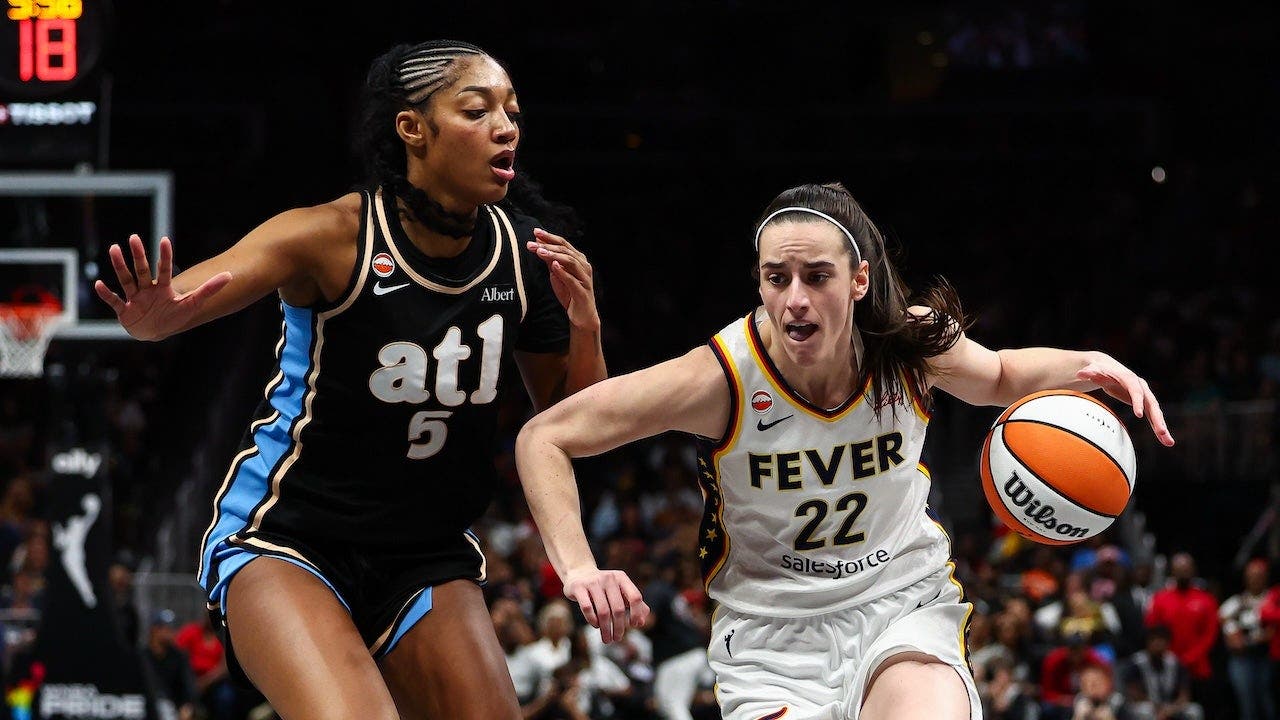
At a June 20, 2026 game in Atlanta, Atlanta Dream forward Angel Reese was seen singing the hymn "Lift Every Voice and Sing" (often called the Black National Anthem) in the Indiana Fever arena shortly before Juneteenth. Reese later told reporters she sang the song in response to hearing boos directed at her by Fever fans during a previous game in Indiana two days earlier and described the moment as honoring those who came before her. Reese reiterated that representation matters and said she will use her platform to speak on issues she believes in. The article notes Reese previously accused Caitlin Clark’s fans of racism in 2024 and described receiving abusive AI-generated images sent to family members. The WNBA previously investigated allegations of racist behavior by Fever fans in May 2025 and reported it found no evidence of hateful comments. The two teams met twice in three days; Atlanta won both games (108-101 in Indiana and 113-96 in Atlanta). Reese recorded strong performances and became the fastest player in WNBA history to reach 1,000 career rebounds (79 games). The article also summarizes the song’s origin and the league’s practice of including it in Juneteenth programming.
Biblical Reflection
This story sits at the intersection of sports, race, and public behavior. Reese’s actions and words express a personal, emotional response shaped by her experiences; they are a lived testimony rather than a legal finding. The WNBA’s prior probe found no verifiable evidence of organized hateful comments by Fever fans, which underscores the difference between individual experiences and confirmed institutional patterns. Christians should hold two truths together: the need to listen to and care for those who report harm, and the responsibility to seek facts before making broad accusations. The article’s framing leans toward conflict-driven sports coverage—highlighting boos, allegations, and milestone statistics—which can amplify division. A Christlike response models truth-telling and mercy: take seriously the pain of racial harassment, insist on accountability when harm is verified, and pursue reconciliation and civil discourse in public spaces. Churches and Christian leaders can encourage fans and communities to practice dignity, protect vulnerable people from online abuse, and foster environments where representation and respectful disagreement coexist.
Scripture in context
This outlook does not yet include contextual Scripture citations. Do not treat a general biblical theme as an exegetical conclusion.
Faithful Response
No prescribed response is offered. Consider the reflection prompts below in your own church context.
Reflection and Discussion
- 1Are reports of 'racism' being presented as collective facts about whole fanbases, or are individual experiences and broader evidence being clearly distinguished?
- 2How does media emphasis on conflict shape our perception of athletes' actions—does it encourage understanding or division?
- 3In what ways can public expressions of cultural identity (like singing this hymn) be both personal witness and a call for communal reflection?
Sources
Reporting links are evidence inputs; Sanctuary News' biblical reflection is commentary.
This outlook currently relies on fewer than two linked sources. Broaden verification before teaching from it.
- 1.Original reportprimary