News Summary
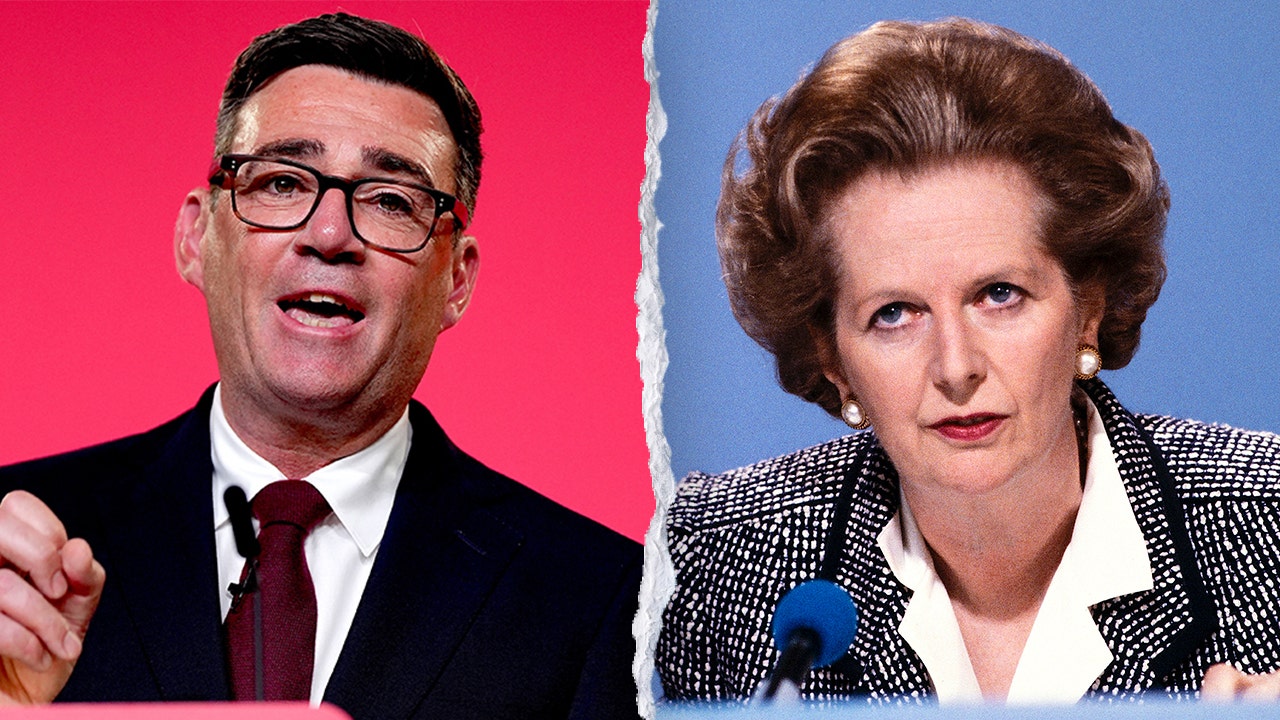
Reported facts: Andy Burnham was elected Labour leader and is expected to be sworn in as prime minister on Monday; in a July 17 speech he criticized 1980s economic reforms and pledged greater public control of housing, water, energy and transport, expanded council/social housing, and more regional powers. Attributions and claims: The article quotes analysts who say the speech signals an ideological shift and others who defended the Thatcher era citing economic indicators. Uncertainties: The article does not provide detailed policy proposals, economic modeling, or independent verification of the historical statistics cited by the Adam Smith Institute; the actual effects of proposed changes on markets, US relations, or voters are presented as commentary and speculation.
Source and Framing Analysis
Source role: The piece is primary news reporting by Fox News that combines direct reporting of Burnham’s speech with quoted commentary from think tanks and analysts. Framing: The article emphasizes ideological change and includes skeptical voices (free-market think tanks, critics) that highlight economic risks; it uses historical reference (1970s Winter of Discontent) to frame potential dangers. Missing voices: the article lacks detailed statements from Burnham’s policy teams, independent economic analysts or market data beyond think-tank claims, and testimonies from communities that Burnham says he aims to help. Incentives and angles: Fox’s selection of critical commentators and economic indicators foregrounds debate over privatization versus state control; quoted think tanks have clear ideological commitments. What needs verification: specific policy proposals and timelines, independent confirmation of historical economic statistics offered by the Adam Smith Institute, and objective analyses of likely market and diplomatic effects.
Biblical Reflection
The article reports a clear political turn in the UK toward more public control of services and a critique of four decades of market-oriented policy. Read critically: the piece is framed through a mix of Burnham’s rhetoric and commentary from free-market and security-focused commentators, so it highlights ideological contrast as much as policy detail. From a Christian pastoral perspective, the stated goal of protecting communities harmed by economic shifts aligns with biblical concerns for the poor, the vulnerable, and just treatment of neighbors. At the same time, the article’s reliance on partisan voices and selected statistics warns us to beware of one-sided narratives — both nostalgia for past solutions and scorning of reforms can obscure complex trade-offs. Christians should seek truth by asking for concrete evidence of proposed policies’ impacts, show mercy in public debate rather than demonizing opponents, and practice humble stewardship — weighing efficiency, liberty, and care for the least advantaged together. The political risks named (market confidence, social cohesion, international alliances) are real and call for courageous, peace-seeking leadership that prioritizes the common good over partisan triumph.
Scripture in context
- 1Matthew 25:31-46 — In this judgment scene Jesus describes separating people like a shepherd separates sheep and goats; he identifies himself with the hungry, thirsty, stranger, naked, sick and imprisoned and commends those who cared for them. — This passage emphasizes that political arrangements and policy choices should be evaluated by their real effects on the least advantaged; it calls Christians to advocate for systems that protect and serve those neighbors rather than treat them as abstractions.
Faithful Response
Pray for civic leaders and for those most affected by economic and service-delivery decisions.
Seek reliable, diverse information—read Burnham’s policy documents and independent economic analyses before forming final judgments.
Advocate publicly and pastorally for policies that demonstrably protect the vulnerable rather than for or against a label alone.
Support practical relief (food, housing assistance, legal aid) for neighbors who may be immediately affected by transitions in services.
Reflection and Discussion
- 1Which specific policy details would you ask Burnham’s team for to evaluate whether their proposals will help the vulnerable materially?
- 2What evidence does the article provide for the claimed historical benefits of 1980s reforms, and what additional data would clarify that picture?
- 3How does the article’s choice of commentators shape your impression of the incoming administration’s prospects and risks?
Sources
Reporting links are evidence inputs; Sanctuary News' biblical reflection is commentary.
This outlook currently relies on fewer than two linked sources. Broaden verification before teaching from it.
- 1.Andy Burnham Condemns Thatcher Policies, Pledges State Controlprimary_reporting