News Summary
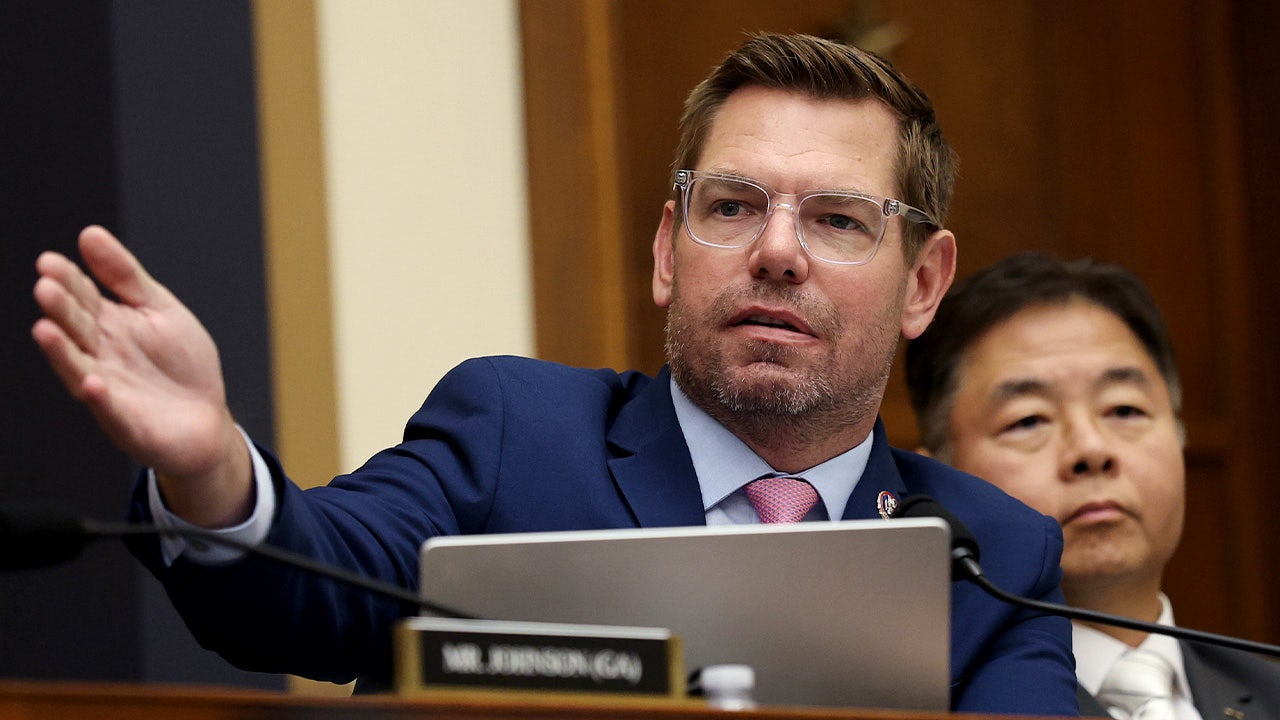
Representative Eric Swalwell (D-CA) suspended his campaign for California governor and announced he would resign his House seat after new sexual misconduct allegations surfaced; Swalwell denies the allegations. Criminal defense attorney Donna Rotunno commented on possible criminal and immigration-law implications. Former presidential rival Andrew Yang posted criticisms of Swalwell's political career, calling him "lightweight" and arguing Swalwell prioritized ambition and partisan visibility over deep policy work; Yang said some in Washington regarded Swalwell's alleged improprieties as an "open secret." Members of both parties, including Senator Elizabeth Warren and California Democratic Party leaders, publicly supported Swalwell stepping down and emphasized holding those in power accountable. Representative Ruben Gallego and other Democrats reduced or withdrew public support. News outlets reported on Pelosi saying Swalwell's departure appeared to be his decision. The article quotes public statements and reactions; it does not report a legal conviction or a completed investigation into the allegations.
Biblical Reflection
From a Christian perspective, this story raises several spiritual and ethical themes: the need for truth and due process, the higher moral expectations for leaders, and the pastoral call to care for both alleged victims and the accused. Scripture affirms that leaders should be above reproach and that God calls his people to pursue justice (1 Timothy 3:2; Micah 6:8), yet Jesus and the apostles also warn against hasty, destructive judgment (Matthew 7:1–2). Media and political responses can reflect competing motives — genuine concern for accountability, partisan advantage, or reputational self‑preservation. This article largely reports public reactions and quotations rather than proven facts; readers should note that allegations remain allegations until investigated and adjudicated. Christians should resist using such events primarily for partisan gain or rumor-spreading. Instead, the faithful response is to seek truth, support processes that protect the vulnerable, pray for clarity and repentance where sin is proven, and pursue restoration grounded in justice and mercy (Galatians 6:1). Be wary of media framing that amplifies personal attacks or reduces complex situations to spectacle; ask whether coverage prioritizes verified facts and fair process or fuels outrage. Finally, the church is called to model both accountability and grace — urging transparent investigation and offering pastoral care to all affected.
Scripture in context
This outlook does not yet include contextual Scripture citations. Do not treat a general biblical theme as an exegetical conclusion.
Faithful Response
No prescribed response is offered. Consider the reflection prompts below in your own church context.
Reflection and Discussion
- 1Are the statements in the coverage presented as verified fact or as allegation and opinion, and how does the mix shape my judgment?
- 2Which voices are amplified and which are sidelined in this reporting — victims, the accused, institutional leaders, or political rivals — and why might that matter?
- 3How can Christians hold leaders accountable while also upholding due process, compassion, and the possibility of repentance and restoration?
Sources
Reporting links are evidence inputs; Sanctuary News' biblical reflection is commentary.
This outlook currently relies on fewer than two linked sources. Broaden verification before teaching from it.
- 1.Original reportprimary