News Summary
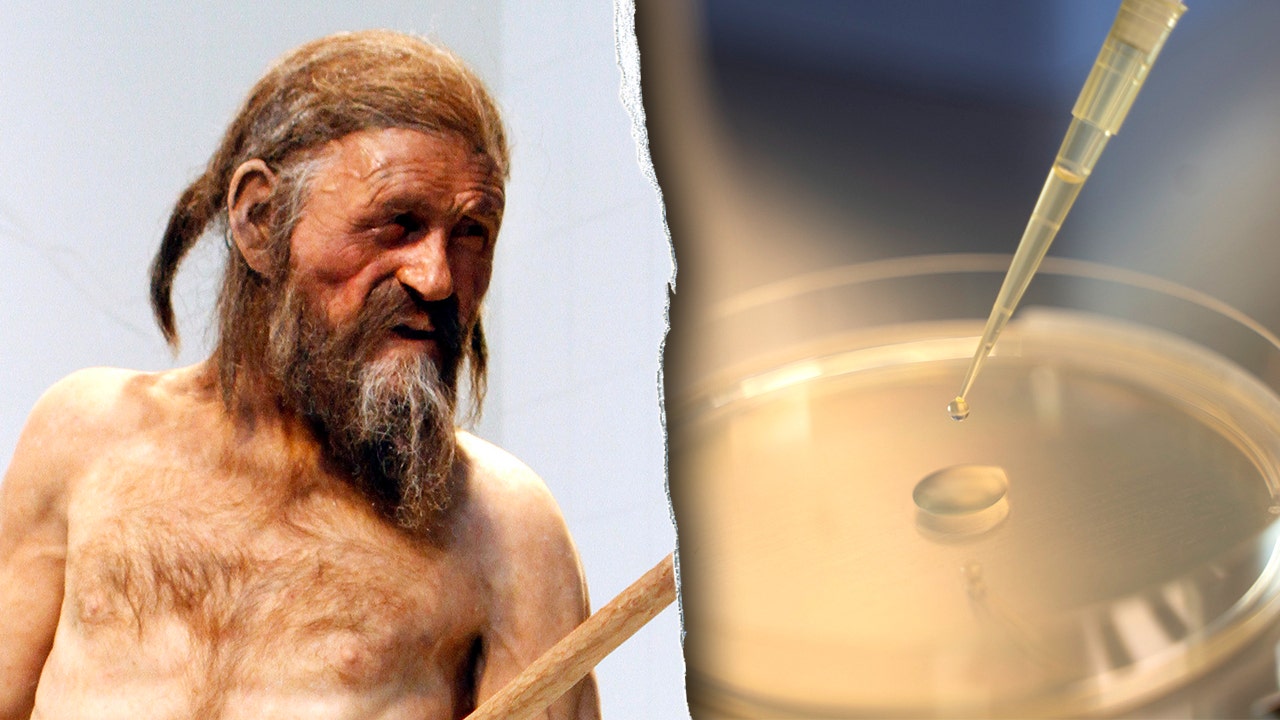
A study published in the journal Microbiome and reported by Eurac Research examined biological samples from Ötzi the Iceman, a 5,300-year-old glacier mummy housed at the South Tyrol Museum of Archaeology. Researchers used tissue samples, surface swabs, ice and meltwater from the mummy and genetic analysis (including comparison with previous intestinal and stomach-content data) to characterize microorganisms associated with the remains. They identified a complex mix of microbial DNA, distinguishing taxa likely present during Ötzi’s life from organisms that colonized the body after death. Notable findings include cold-adapted yeast species likely originating from the glacial environment and gut bacteria not commonly found in modern human intestines. Some microorganisms may persist in a dormant state on the mummy. Museum staff report ongoing conservation and microbiological monitoring to prevent damage, and researchers emphasize that mechanisms allowing long-term microbial survival in frozen remains remain not fully understood.
Biblical Reflection
The article reports a legitimate scientific investigation that expands knowledge about ancient human-associated microbes and preservation processes. The headline language ("signs of life") can mislead readers if taken to mean biological life in the personal, human sense; scientists mean microbial persistence and DNA evidence rather than revival of a person. The study encourages humility before the long continuity of life in creation and invites careful stewardship of human remains. Christians can welcome the pursuit of truth here, while remaining alert to sensational framing and the ethical responsibility to treat ancient human bodies with dignity. There is little immediate public risk from these findings; the primary impacts are scholarly and cultural. Practically, the story underscores two Christian concerns: truth-seeking curiosity about God’s ordered creation, and compassionate respect for the dead as neighbors created in God’s image.
Scripture in context
This outlook does not yet include contextual Scripture citations. Do not treat a general biblical theme as an exegetical conclusion.
Faithful Response
No prescribed response is offered. Consider the reflection prompts below in your own church context.
Reflection and Discussion
- 1How does the phrase "signs of life" shape your immediate reaction, and does that framing match what the scientists actually found?
- 2Are the needs of scientific inquiry being balanced with respect for the human dignity of ancient remains in research and reporting?
- 3What does the persistence of ancient microbes teach us about the continuity of life and our responsibility as stewards of creation?
Sources
Reporting links are evidence inputs; Sanctuary News' biblical reflection is commentary.
This outlook currently relies on fewer than two linked sources. Broaden verification before teaching from it.
- 1.Original reportprimary