News Summary
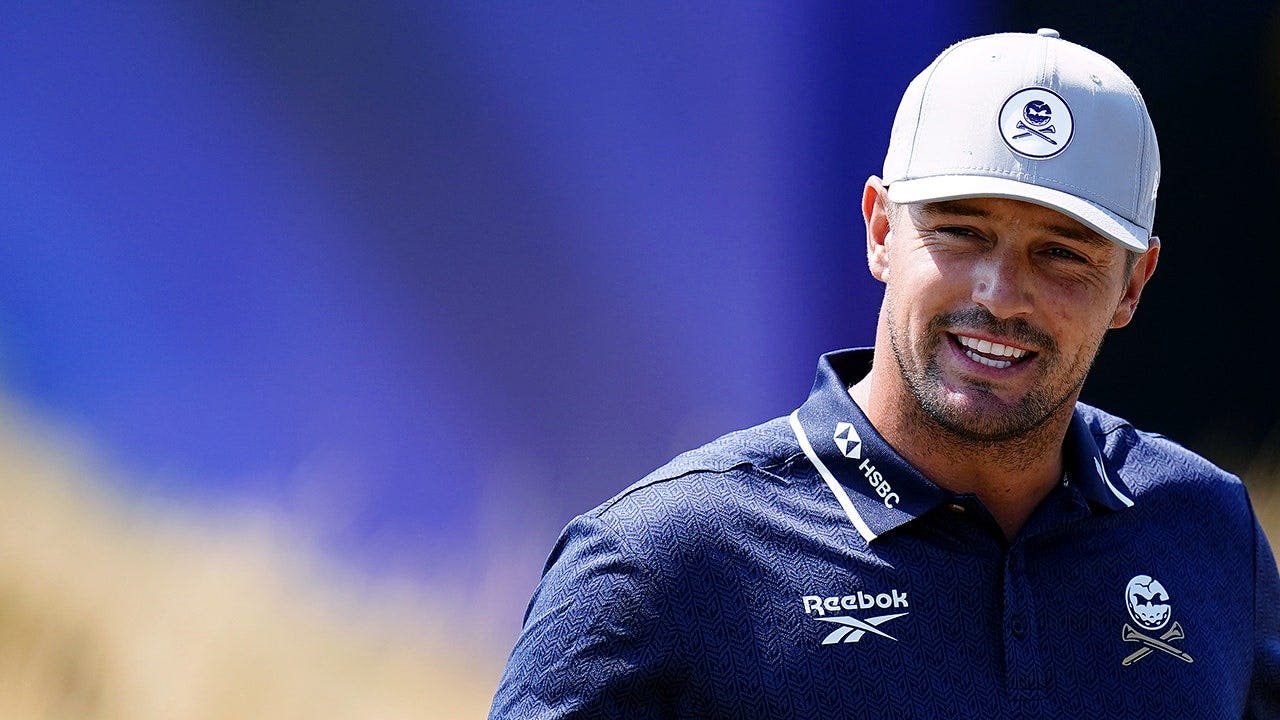
The article reviews Bryson DeChambeau's recent performance in major golf championships and responses from commentators ahead of The Open at Royal Birkdale. It recounts DeChambeau's 2024 U.S. Open victory and lists subsequent major finishes: T5 at the 2025 Masters, T2 at the 2025 PGA Championship, missed cut at the 2025 U.S. Open, and a T10 at the 2025 Open at Royal Portrush. In 2026 he reportedly missed the cut in three majors (Augusta, Aronimink, and Shinnecock) and narrowly missed the U.S. Open cut at Oakmont. Nick Faldo criticized DeChambeau's links strategy, saying one does not 'attack' a links course. Analyst Brandel Chamblee said DeChambeau has gone 'from chasing Scottie Scheffler and Rory McIlroy to chasing Grant Horvat,' implying he is focused more on YouTube-style activity and lesser competition. The piece notes DeChambeau's nontraditional equipment and techniques, his involvement with LIV Golf (which limits regular competition against PGA Tour peers), his production of YouTube videos, and that he has sustained injuries this season. The article frames criticism and counterpoints, noting DeChambeau's past top finishes and saying he can silence critics with strong play at The Open. The story was written by Ian Miller for OutKick/FOX and mentions AI-assisted video content.
Biblical Reflection
This story is primarily sports commentary that mixes factual performance reporting with sharp personal critique. The critics' central claims—that DeChambeau's results have dipped and that his priorities or strategy invite questions—are rooted in observable tournament outcomes and public behavior (tour choice, content creation). At the same time, tone and language (phrases like 'embarrassment' or 'torches') reflect entertainment-driven media dynamics that reward conflict and punchy judgments. From a Christian perspective, truth should be spoken with humility and compassion: it is fair to note performance facts and strategic questions, but public commentary should avoid degrading a person or reducing them to their wins and losses. Consider also the unseen factors—injury, differing competitive schedules, and personal vocation choices—that complicate simple assessments. Christians are called to seek honest appraisal while resisting the appetite for mockery; hold athletes to accountability in ways that encourage growth rather than shame. Lastly, recognize how an attention economy can skew priorities for both public figures and commentators; discernment is needed to separate legitimate critique from sensationalism.
Scripture in context
This outlook does not yet include contextual Scripture citations. Do not treat a general biblical theme as an exegetical conclusion.
Faithful Response
No prescribed response is offered. Consider the reflection prompts below in your own church context.
Reflection and Discussion
- 1Is the commentators' tone driven more by a desire for fair critique or by the media incentive to create controversy?
- 2Do we view athletes primarily as whole persons with struggles and gifts, or mainly as performers whose value rises and falls with results?
- 3How does the attention economy (social media, YouTube, punditry) shape what we call 'success' in sports and life?
Sources
Reporting links are evidence inputs; Sanctuary News' biblical reflection is commentary.
This outlook currently relies on fewer than two linked sources. Broaden verification before teaching from it.
- 1.Original reportprimary