News Summary
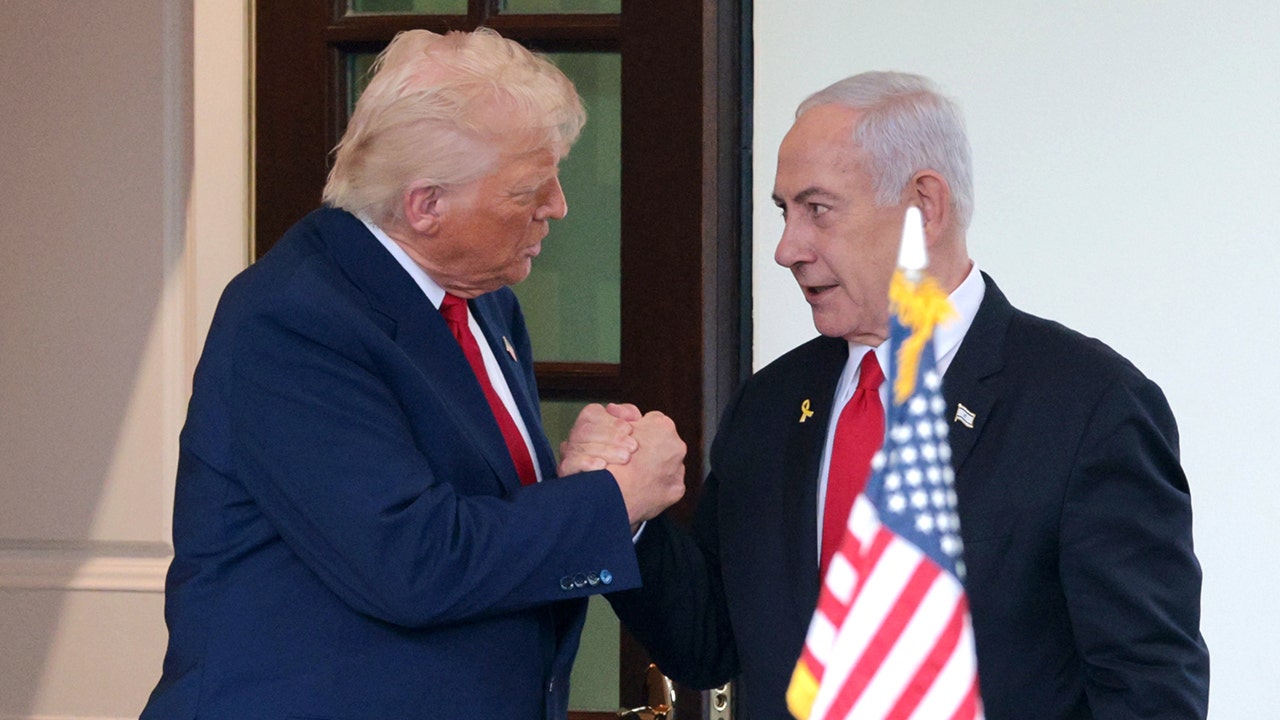
Reports and leaks in late 2025 and early 2026 described tense phone calls and apparent diplomatic friction between U.S. President Donald Trump and Israeli Prime Minister Benjamin Netanyahu over proposals to address Iran. An Axios account said the leaders had a difficult call about a revised U.S. proposal that was reportedly transmitted to Iran via Pakistan; Netanyahu allegedly favored renewed military action while the U.S. pushed a diplomatic track. A U.S. source told Axios that "Netanyahu’s hair was on fire." A senior researcher, Kobi Michael of the Institute for National Security Studies (INSS), told Fox News Digital that the public tensions, targeted leaks, and intense phone activity were a deliberate tactical feint meant to keep Tehran uncertain about U.S.–Israeli intentions. According to the analyst, that posture allowed Washington to present itself as pursuing diplomacy while covertly preparing for coordinated action; by the following weekend the two leaders publicly presented a unified stance. Netanyahu posted on X affirming solidarity with the White House and insisting his policy—preventing Iran from obtaining nuclear weapons—remained unchanged. U.S. officials said Washington had been keeping Jerusalem informed about negotiations that included a memorandum of understanding related to reopening the Strait of Hormuz and working toward a final agreement on outstanding points. The analyst cautioned that skepticism in Israel persists about whether any agreement with Iran will meet Israeli expectations.
Biblical Reflection
This article reports an analyst's interpretation of diplomatic signaling and leaks; it is not definitive proof of intentional deception. The coverage reflects a realist security mindset: states sometimes use ambiguity, misinformation, and controlled leaks as instruments of deterrence and surprise. From a Christian perspective, several tensions are evident. First, the desire to protect citizens and deter a hostile actor like Iran aligns with the biblical call to safeguard the vulnerable and pursue justice (e.g., protecting the innocent). At the same time, the use of public deception or manipulation—even if tactically effective—raises ethical questions about honesty and the means by which ends are pursued. Scripture values truth and integrity (Proverbs), yet also recognizes wisdom, prudence, and discretion in dangerous contexts (Matthew 10:16; Proverbs 27:12). The article also demonstrates how media framing (phrases like "hair on fire" and emphasis on a "rift") can shape public perceptions; readers should note that much of the narrative rests on selective sourcing and an analyst's reading of motives rather than on transparent documentation. Christians should evaluate such reporting with discernment: acknowledge legitimate security concerns and the complex moral calculus leaders face, while holding to biblical convictions about truth, righteous ends, and the priority of seeking just and lasting peace where possible. Pray for leaders to exercise wise, ethical judgment, for protection of civilians in the region, and for opportunities to pursue peace that honors both security and human dignity.
Scripture in context
This outlook does not yet include contextual Scripture citations. Do not treat a general biblical theme as an exegetical conclusion.
Faithful Response
No prescribed response is offered. Consider the reflection prompts below in your own church context.
Reflection and Discussion
- 1Am I treating analyst interpretation and leaked accounts as established fact, or am I holding them as plausible explanations that require further verification?
- 2How should Christians weigh the moral trade-off between secrecy/tactical deception for security and the biblical commitment to truth and integrity?
- 3When media language emphasizes a "rift," what effect does that framing have on public trust and on the prospects for honest diplomacy—does it advance peace or polarize opinion?
Sources
Reporting links are evidence inputs; Sanctuary News' biblical reflection is commentary.
This outlook currently relies on fewer than two linked sources. Broaden verification before teaching from it.
- 1.Original reportprimary