A little more detail
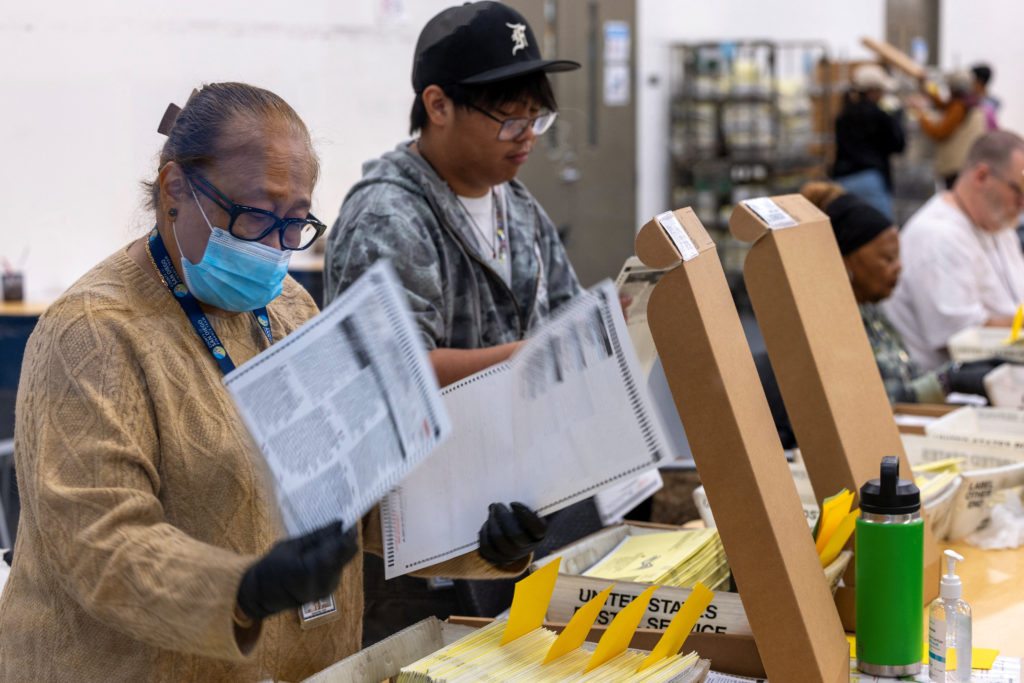
PBS NewsHour reported on the first outside analysis of a Department of Justice compilation of names the DOJ describes as noncitizen registrants. That analysis—reported by PBS—found that more than 40% of names on the DOJ list do not appear on California's voter rolls and that the list appears to flag thousands of people who are likely U.S. citizens as ineligible to vote. The supplied reporting also says the DOJ has used the list in communications that threatened prosecution of election officials. The PBS account does not include the underlying dataset, matching methodology, precise counts, or any response from DOJ or California election officials in the supplied material.
Source and Framing Analysis
This cluster relies on a single published account (PBS NewsHour) describing an outside analysis of a DOJ list. PBS frames the story as an independent check on a government-produced list and emphasizes potential errors and the real-world consequences—particularly threatened prosecutions of election officials. Important source gaps remain in the supplied material: the raw DOJ list, the external analyst's matching methods and criteria, exact counts behind the terms "more than 40%" and "thousands," and any DOJ or California election-official response are not included. Because the story as provided comes from a single outlet reporting another party's analysis, readers should treat the numerical findings and their implications as reported claims that need verification (methodology, scope, dates) before being taken as settled fact. The framing is investigatory and highlights potential harm to individuals; that emphasis aligns with concerns about accuracy, due process, and dignity, but the reporting limitation means the claims remain provisional until corroborated or answered by primary data or official responses.
How sources covered this story
Sanctuary separately assesses reporting quality and alignment with Christian virtues. The virtues assessment considers truthfulness, dignity, compassion, justice, peacemaking, humility, and care for vulnerable people. It does not assess a publisher's faith or reward religious language.
Compare 1 reports
Reporting 78/100Virtues 82/100
- Distinctive contribution
- Provides quantified results ("more than 40%" not on CA rolls, and "thousands" of U.S. citizens flagged) and characterizes the list as one the DOJ used to threaten prosecution, signaling both scope of apparent errors and potential legal consequences.
- Framing
- Framed as an independent analysis ("first outside analysis") that evaluates and challenges the government-produced list; highlights potential errors and the real-world implications (threats of prosecution of election officials).
- Omissions or uncertainty
- The excerpt does not describe the analysis methods (how the matching was done, dates, sample size or universe), definitions (how "noncitizen" was determined), specific examples or sources, or any responses from DOJ or California election officials. It does not quantify "thousands" precisely. Those methodological and sourcing details are necessary to fully assess the claim.
- Why these scores
- The excerpt conveys a specific, verifiable finding and responsibly characterizes the report as an analysis rather than an absolute verdict. It avoids sensational language. However, the supplied text omits methodological detail, precise counts, and attribution/response that would be required for a higher score. Given the concise excerpt, the wording is careful and appropriate, meriting a solid score rather than top marks. The piece (as excerpted) appears aligned with virtues of truthfulness and justice by scrutinizing a government list that may have misidentified citizens and by highlighting potential harms (threats of prosecution). The framing is investigative rather than dehumanizing or sensational, which supports dignity and care for potentially vulnerable people. The main limitation is lack of methodological detail in the excerpt, but there is no evidence of exploitation or reckless rhetoric.
Biblical Reflection
Christians should hold together a genuine commitment to electoral integrity and a solemn duty to protect the vulnerable from wrongful accusation. Seeking truth is an act of love when it is pursued with humility and careful methods; protecting community members from unjust legal threat is an act of justice and mercy. Practically, that means pressing for transparent methods and correction procedures, resisting public accusations absent clear evidence, providing pastoral care to anyone harmed by errors, and supporting nonpartisan civic processes that allow errors to be fixed without stigmatizing neighbors. Our public witness should model patience, clarity, and compassion while insisting on accountability for institutions that publish or act on faulty data.
Scripture in context
- 1 — A proverb from the wisdom tradition condemning dishonest measures and praising integrity in business and community dealings; it contrasts honest and dishonest practices that shape communal trust. — Applied here, the wisdom tradition calls public institutions and private actors to fair measures: compile and use data honestly, avoid practices that misidentify or harm neighbors, and ensure remedies when mistakes are made. This guides Christians to demand accuracy and to care for those wrongly flagged without turning the misidentified into objects of public shame.
Faithful Response
Pray for those who may be harmed by misidentification, for election workers facing threats, and for leaders entrusted with sensitive data.
Do not share allegations about individuals' voting status without verified, primary-source evidence; encourage others to verify before amplifying claims.
Advocate for transparency: request publication of underlying methods, sample datasets (appropriately privacy-protected), and official responses so errors can be evaluated and corrected.
Support processes that allow quick remediation for wrongly flagged voters—clear notice, timely appeals, restoration of rights, and, where harm occurred, pathways to remedy.
Offer congregation-level help: host nonpartisan information sessions on how to check voter registration, assist neighbors in verifying or restoring registration, and provide pastoral care to those facing legal or civic stress.
Encourage civic actors to balance zeal for election integrity with procedural safeguards that protect innocent people from legal or reputational harm.
Reflection and Discussion
- 1How should our commitment to truth shape the way we demand transparency and correction from public institutions?
- 2When a government dataset potentially harms individuals, what steps should a faith community take to protect the vulnerable while still supporting lawful election integrity?
- 3What does mercy look like in civic processes that risk stigmatizing people—what practical policies and pastoral responses should flow from that mercy?
Sources
Reporting links are evidence inputs; Sanctuary News' biblical reflection is commentary.
This is a developing, single-source report. Details may change as more reporting becomes available.
- 1.Analysis: More than 40% of names on DOJ list of alleged noncitizens not on California's voter rollsprimary_reporting