News Summary
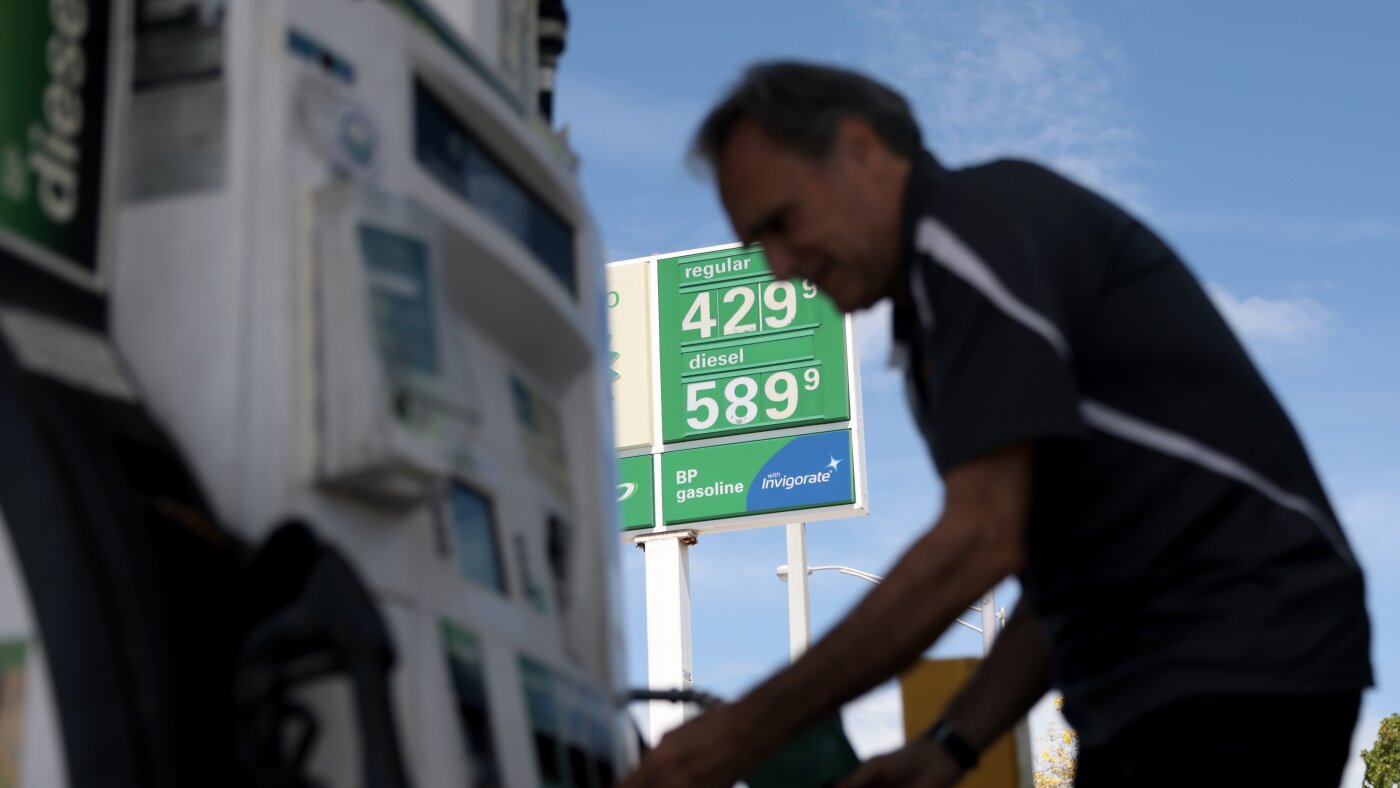
National average gasoline prices have risen to more than $4 per gallon. Analysts and consumer groups link the sharp increase in crude oil costs to geopolitical events affecting oil supplies. Data firms report Americans logged more miles driven since the recent conflict began. Experts and consumer outlets offer several consumer responses to higher fuel costs: drive more efficiently (smooth acceleration, slower speeds, proper tire inflation), remove roof racks or excess weight, avoid unnecessary premium fuel, and reduce speeds (cars often reach optimal fuel economy around 50 mph). Interest in electric vehicles (EVs) increased in online marketplace searches in March, but sales data are mixed — new EV sales remain weakened after the end of a $7,500 federal tax credit, though some used-EV interest and wholesale prices rose. Cost savings from EVs depend on miles driven, local electricity and gasoline prices, insurance and installation costs for home charging. The EPA and other groups provide tools to compare per-mile costs. Alternatives to driving mentioned include biking, walking, scooters, and public transit; early March data show modest increases in micromobility use but a slight month-to-month dip in transit ridership. Some consumers choose to absorb higher fuel costs and cut spending elsewhere. The article cites consumer-research organizations, auto-marketplace sites, advocacy groups, and individual anecdotes to illustrate options for reducing fuel expenses.
Biblical Reflection
From a Christian perspective this story centers on stewardship, prudence, and neighborly concern. The article is primarily pragmatic and consumer-focused: it emphasizes individual choices people can make to reduce personal expenses (driving habits, vehicle choice, micromobility, or lifestyle changes). That practical orientation can align with biblical wisdom about counting the cost and managing resources faithfully (Luke 14:28; Proverbs on diligence and planning).
Be attentive to underlying assumptions and partialities in the piece: it treats market signals and individual behavior as the main levers for response, giving less attention to communal or policy-level solutions (public investment in transit, targeted assistance for low-income commuters, or coordinated energy policy). It also cites advocacy groups (e.g., Coltura) that frame EV adoption in moral terms; their perspective is legitimate but partial — cost, access, and infrastructure vary widely by region and income. Likewise, marketplace search increases show interest but do not prove widespread, immediate adoption.
Spiritually, this moment invites prudent stewardship (wise use of resources, planning, and avoiding waste), compassion for those for whom higher fuel costs are disproportionately harmful (the poor, those with long commutes, rural households), and thoughtful engagement with technology and creation care. Christians should avoid moralizing consumer choices or equating them automatically with virtue. Instead, ask how choices reflect love for neighbor, care for creation, and faithful management of household resources. Finally, be wary of letting fear or status drive decisions; seek balanced, informed choices rather than impulsive responses to short-term price swings.
Scripture in context
This outlook does not yet include contextual Scripture citations. Do not treat a general biblical theme as an exegetical conclusion.
Faithful Response
No prescribed response is offered. Consider the reflection prompts below in your own church context.
Reflection and Discussion
- 1Is the article framing this primarily as an individual consumer problem (how I save money) rather than a communal or structural one (how communities and governments support mobility and energy resilience)?
- 2Whose costs and benefits are being centered—urban vs. rural, high-mileage commuters vs. low-mileage households, owners vs. renters—and how should that affect Christian concern and policy engagement?
- 3Are choices presented as purely financial or also moral (creation care, neighbor-love), and how should Christians weigh economic, environmental, and social factors together?
Sources
Reporting links are evidence inputs; Sanctuary News' biblical reflection is commentary.
This outlook currently relies on fewer than two linked sources. Broaden verification before teaching from it.
- 1.Original reportprimary