News Summary
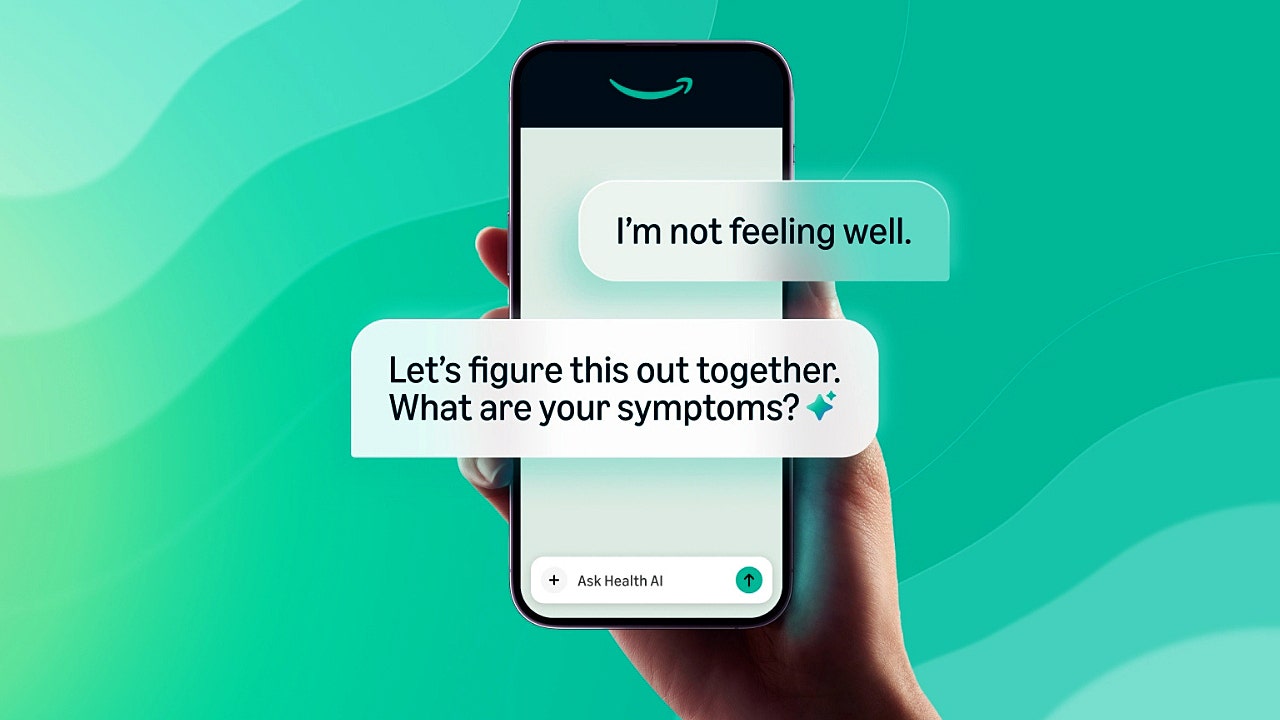
Amazon has launched "Amazon Health AI," an AI-powered digital health assistant available through the Amazon app and website in a phased U.S. rollout. Users type health questions into a chat interface; with permission the system can access the user's medical records via Health Information Exchange networks to provide personalized guidance. Health AI can explain lab results, check symptoms, help with scheduling and referrals, initiate messages or video visits with clinicians from Amazon One Medical, and send prescription renewal requests to One Medical providers. The service uses Amazon's Bedrock AI platform and emphasizes built-in guardrails: it claims HIPAA-compliance, strong encryption, strict access controls, and that protected health information will not be used for advertising or sold. When uncertain, the AI directs users to human clinicians and may advise emergency services if warranted. Amazon also offers a limited benefit to eligible Prime members (up to five free message-based consultations for certain common conditions); typical telehealth messages cost about $29. The company highlights partnerships with health systems (e.g., Cleveland Clinic, Rush) to smooth referrals and continuity of care. The article notes potential benefits—faster answers, simpler records, easier access—but raises concerns about privacy, data control, and the proper balance between automated guidance and human medical judgment.
Biblical Reflection
From a biblical perspective this development contains both promise and risk. Scripture values caring for the sick and using wisdom to steward resources (for example, Jesus' ministry to heal and his instruction to care for neighbors). A tool that genuinely reduces barriers to care, eases anxiety, and helps people receive timely treatment can be an instrument of compassion—reflecting the call to love and serve those who are vulnerable. At the same time, the Bible repeatedly calls God’s people to seek wisdom and to guard what is precious. There is reason for sober discernment about four areas: 1) Trust — technology can be a good servant but a poor savior; believers are reminded to place ultimate trust in God, not human systems (Proverbs and Gospel teaching). 2) Truthfulness and transparency — companies and caregivers must be honest and accountable about how data is used and about the limits of automated diagnosis; deception or obfuscation that harms the vulnerable is condemned. 3) Protection of the vulnerable — personal medical data concerns real persons; protecting privacy and preventing exploitative uses is an ethical duty consistent with loving one’s neighbor. 4) The primacy of human relationship in healing — pastoral care and physician judgment remain essential; tools must free rather than replace the human attention that brings dignity and wholeness. Practically, Christians should welcome innovations that aid healing and access while pressing for transparency, justice, and safeguards; we should practice discernment, advocate for the vulnerable, and resist overreliance on technologies that could diminish human responsibility and care.
Scripture in context
This outlook does not yet include contextual Scripture citations. Do not treat a general biblical theme as an exegetical conclusion.
Faithful Response
No prescribed response is offered. Consider the reflection prompts below in your own church context.
Reflection and Discussion
- 1Am I tempted to treat technology as a substitute for prayer, care from others, or wise medical counsel? Where should I set boundaries?
- 2How can I steward my own health data and advocate for policies that protect the vulnerable in the age of health AI?
- 3When a tool promises convenience, how will I discern whether it strengthens true care (relationship, wisdom, justice) or merely efficiency?
Sources
Reporting links are evidence inputs; Sanctuary News' biblical reflection is commentary.
This outlook currently relies on fewer than two linked sources. Broaden verification before teaching from it.
- 1.Original reportprimary