News Summary
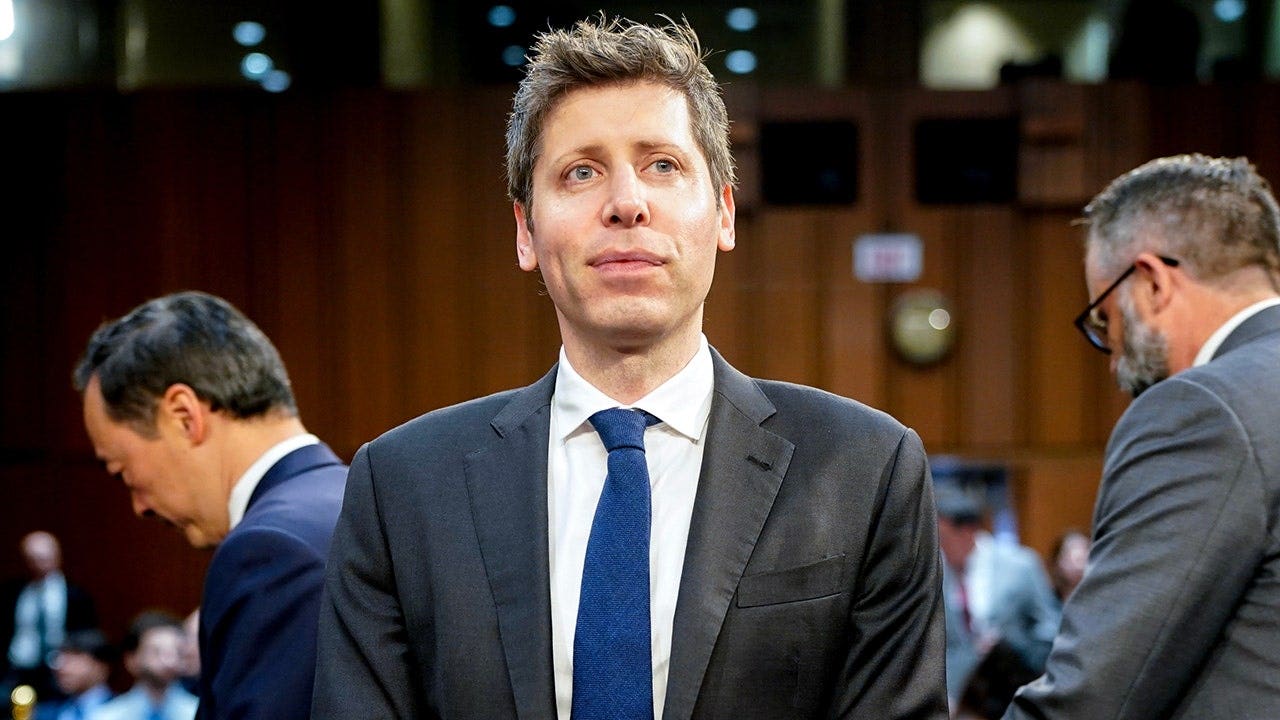
The Financial Times reported that OpenAI CEO Sam Altman has discussed a proposal to give a 5% stake in OpenAI to the U.S. government, conditioned on other major AI firms agreeing to a similar contribution. Altman reportedly met with former President Donald Trump and senior administration figures (Commerce Secretary Howard Lutnick and Treasury Secretary Scott Bessent) about taking OpenAI public to some degree and linking the government stake to that move. He also met separately with Senator Bernie Sanders, who has proposed legislation for a one‑time tax to create up to a 50% public ownership stake across major AI firms. According to the report, Altman believes partial public ownership could spread the economic benefits of AI more broadly, but he wants other competitors such as Meta, Google, and Anthropic to commit comparable contributions. The article notes Anthropic has recently renewed ties with the White House and was removed from a Pentagon supply‑chain risk list; it also cites prior U.S. equity purchases such as a reported 10% stake in Intel in 2025 as precedent. The report says Altman and some competitors are planning public offerings, which could affect bargaining and policy influence, and that Fox News contacted OpenAI and the White House for comment.
Biblical Reflection
From a Christian perspective, the proposal raises legitimate concerns and opportunities. Intentionally broadening the benefits of a powerful new technology aligns with biblical calls to care for the common good and to ensure resources serve neighbors, not just insiders. At the same time, mixing state ownership, political influence, and private markets risks cronyism, compromised accountability, and the concentration of power—outcomes scripture repeatedly warns against. The article’s tone is politically charged and includes speculative language about motives (e.g., courting a president’s favor), so readers should distinguish confirmed facts from interpretation. Christians should press for transparency, enforceable safeguards, and institutional structures that protect the weak and promote justice if public stakes in strategic technologies proceed. Ultimately, any arrangement should be assessed by whether it preserves truth (honest accounting and oversight), mercy (fair distribution), humility (limits on concentrated authority), and neighbor‑love (protecting public welfare over partisan gain).
Scripture in context
This outlook does not yet include contextual Scripture citations. Do not treat a general biblical theme as an exegetical conclusion.
Faithful Response
No prescribed response is offered. Consider the reflection prompts below in your own church context.
Reflection and Discussion
- 1Who stands to gain most materially and politically if government takes equity stakes in strategic tech firms, and how will accountability be enforced?
- 2Is the framing in this report emphasizing political optics over concrete safeguards that protect the public and preserve innovation?
- 3Would partial public ownership advance the common good, or simply shift control into new hands without stronger oversight and ethical guardrails?
Sources
Reporting links are evidence inputs; Sanctuary News' biblical reflection is commentary.
This outlook currently relies on fewer than two linked sources. Broaden verification before teaching from it.
- 1.Original reportprimary