News Summary
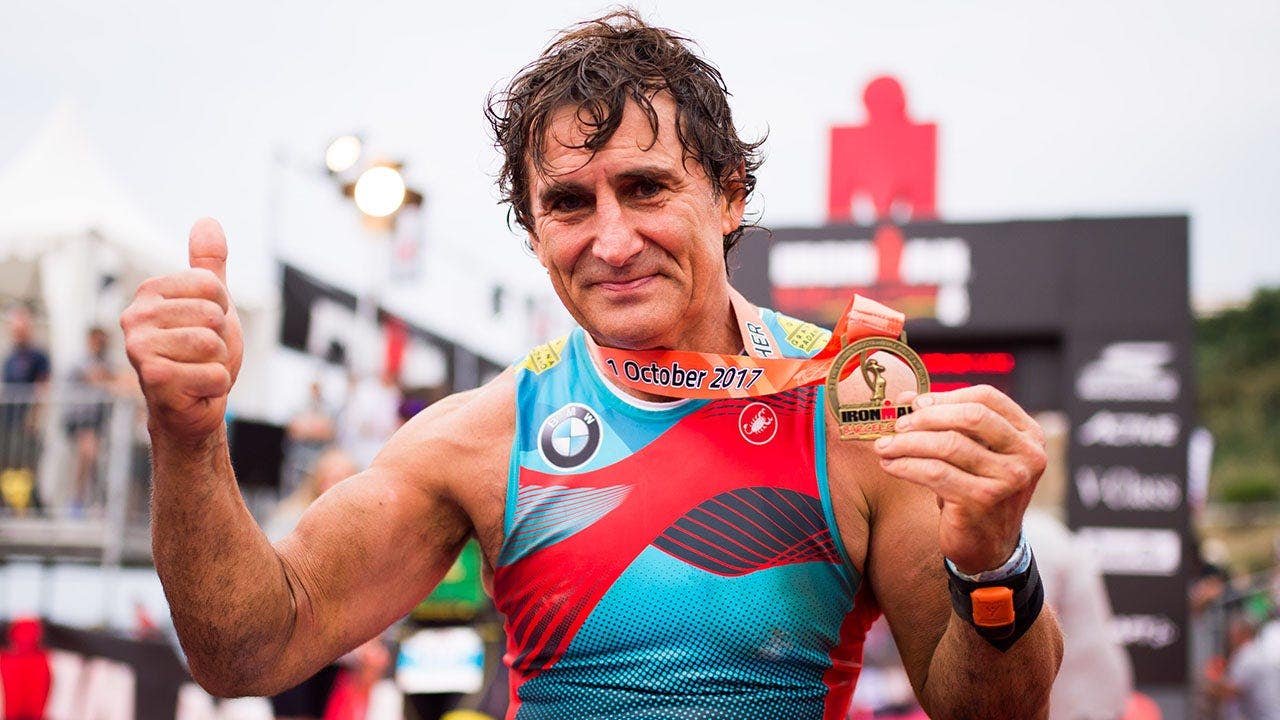
Italian racing driver Alex Zanardi, 59, has died, his family announced. The family said he died peacefully surrounded by loved ones; no cause of death was provided. Zanardi was a two-time CART champion (1997, 1998) who suffered a catastrophic racing crash in 2001 in which he lost both legs and was in a coma. He re-learned to walk with prosthetics, returned to motorsport using adapted controls, and became an accomplished para-athlete in handcycling. He won four gold and two silver Paralympic medals across the 2012 and 2016 Games, competed in events such as the New York City Marathon and Ironman races, and set an Ironman record. In 2020 he was seriously injured in a handbike collision with a truck and suffered facial and cranial trauma, after which he was placed in a medically induced coma. Public figures including Italian Prime Minister Giorgia Meloni, F1 CEO Stefano Domenicali, and Pope Francis issued tributes or encouragements. Moments of silence were observed at some racing events. Zanardi is survived by his wife Daniela and son Niccolò.
Biblical Reflection
This article presents Zanardi primarily as an inspiring figure who repeatedly overcame severe physical setbacks to compete at elite levels. That framing rightly honors courage, perseverance, and the care of family and community in his final moments. From a Christian perspective, his life witnesses to human dignity and resilience amid suffering, and it reminds us that people made in God’s image retain worth irrespective of physical ability or public achievement.
At the same time, the article participates in a common cultural narrative that equates public worth with visible triumph. Scripture calls us to recognize deeper realities: not every suffering is a moral lesson in itself, and bodily suffering does not mean spiritual failure or spiritual exaltation. Christians should resist a subtle idolization of productivity or athletic success as the measure of a person’s value (Psalm 139:13–16). Instead, we can celebrate Zanardi’s gifts and perseverance while also lamenting the fragility of life and pointing to the hope of resurrection that gives ultimate meaning beyond earthly accomplishments.
Practically, the piece is restrained and respectful — it focuses on verified facts, family statements, and public tributes rather than speculation. For believers, this is an occasion both to grieve with those who grieve (Romans 12:15) and to remember that God’s comfort and the promise of eternal life stand behind the story of any admired life.
Scripture in context
This outlook does not yet include contextual Scripture citations. Do not treat a general biblical theme as an exegetical conclusion.
Faithful Response
No prescribed response is offered. Consider the reflection prompts below in your own church context.
Reflection and Discussion
- 1How does the article’s focus on athletic triumph shape our assumptions about human worth, and what does Scripture say should be the foundation of a person's dignity?
- 2Where does the narrative of 'overcoming' help us see God’s sustaining presence, and where might it tempt us to interpret suffering as primarily providential success?
- 3What elements of public mourning and tribute in this story reveal cultural needs for meaning, and how does the Christian hope in resurrection reframe those needs?
Sources
Reporting links are evidence inputs; Sanctuary News' biblical reflection is commentary.
This outlook currently relies on fewer than two linked sources. Broaden verification before teaching from it.
- 1.Original reportprimary