News Summary
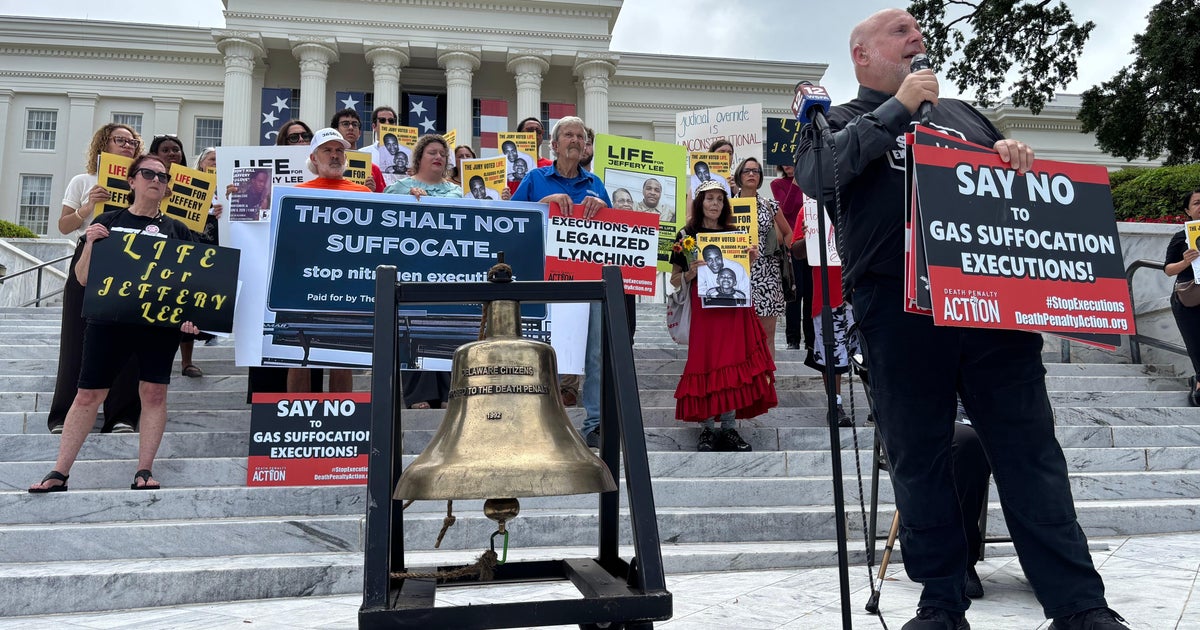
Alabama asked its state Supreme Court to issue a death warrant to execute Jeffery Lee by lethal injection after a federal injunction blocked the state’s planned execution by nitrogen hypoxia. The U.S. Supreme Court refused to lift that injunction, which a district judge issued after finding Alabama’s nitrogen protocol violated the constitutional ban on cruel and unusual punishment; the injunction did not bar the state from using other authorized methods (lethal injection or the electric chair). Lee, 49, was convicted in a 1998 double murder and robbery and has been on Alabama’s death row since; at trial a jury vote was split and the trial judge applied a then-allowed “judicial override” to impose a death sentence, a practice outlawed in Alabama in 2017. Alabama officials defend the nitrogen protocol as a humane alternative after scrutiny of lethal injection; legal challenges to the nitrogen method are scheduled for trial in 2027. Lee’s attorneys have been given the opportunity to respond to the state’s filing; the attorney general said the state will continue efforts to carry out the sentence.
Biblical Reflection
This article raises weighty moral, legal, and spiritual questions. Christians should notice two pressures at work: the state’s responsibility to administer justice and the equal claim of human dignity for every person, including those condemned. The legal back-and-forth over execution methods shows there is not broad consensus that some methods are 'humane,' and the courts are being asked to weigh constitutional protections against the state’s interest in finality. The history of judicial override in this case highlights systemic flaws that can produce outcomes many would find unjust. From a Christian standpoint, commitment to truth calls us to insist on procedural fairness and sober assessment of evidence; commitment to mercy calls us to resist cruelty in punishment and to remember the image-bearing worth of even those who have committed grave crimes. Christians should be careful of simplistic framing that treats any one method as merely technical: debates about method are also debates about human suffering, state authority, and the kind of justice we endorse. Seek clarity, protect the vulnerable (including victims’ families), and advocate for justice practices that reflect both truth and compassion.
Scripture in context
This outlook does not yet include contextual Scripture citations. Do not treat a general biblical theme as an exegetical conclusion.
Faithful Response
No prescribed response is offered. Consider the reflection prompts below in your own church context.
Reflection and Discussion
- 1Does the state's urgency to carry out a sentence risk sidelining concerns about cruelty, fairness, or systemic error?
- 2How does describing an execution method as 'humane' shape public opinion, and what standards should Christians use to evaluate that claim?
- 3What does the use—and later prohibition—of judicial override tell us about the reliability of past sentencing and the need for structural justice reforms?
Sources
Reporting links are evidence inputs; Sanctuary News' biblical reflection is commentary.
This outlook currently relies on fewer than two linked sources. Broaden verification before teaching from it.
- 1.Original reportprimary