News Summary
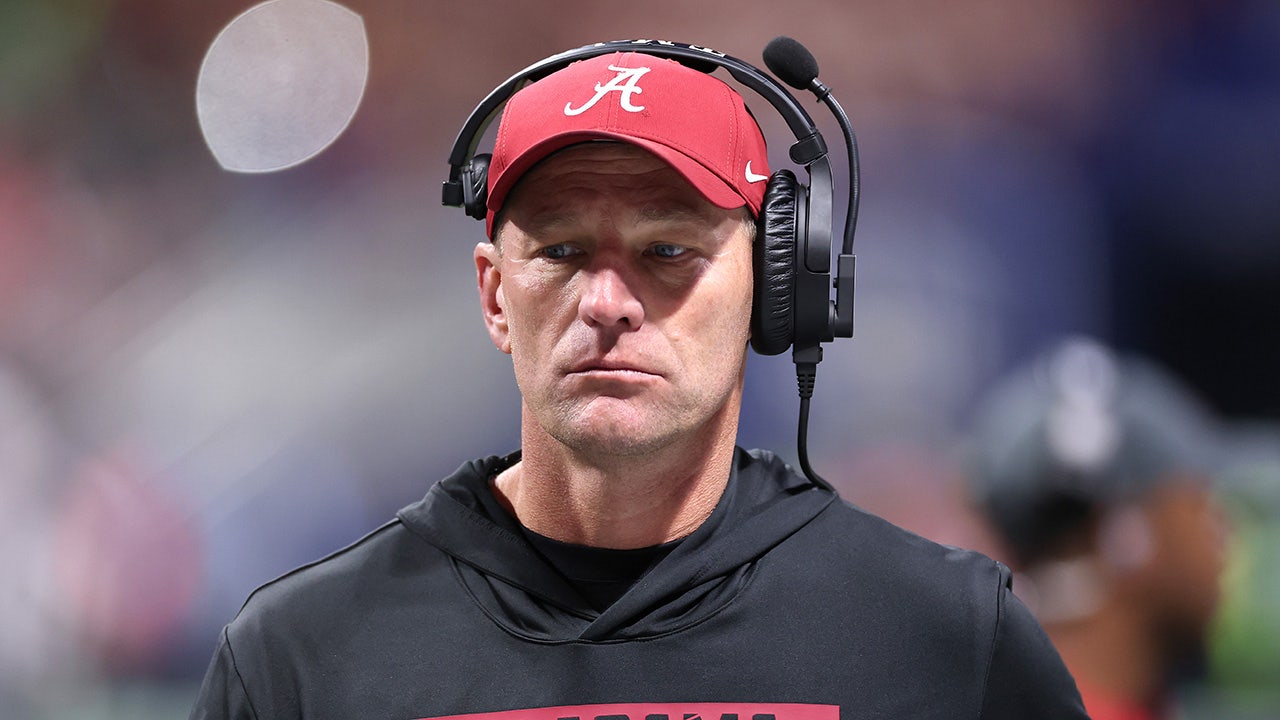
Kalen DeBoer, who succeeded Nick Saban as Alabama's head football coach, received a contract extension last week that places him among the highest-paid coaches in college football. The article reviews DeBoer’s tenure through his third season, noting his on-field record (approximately 20–8), an SEC Championship Game appearance, a College Football Playoff win, several top-five recruiting classes, and an 8–4 record against ranked teams, while also mentioning notable losses (e.g., to Vanderbilt in 2024 and Florida State in 2025). The writer compares Alabama’s decision to extend DeBoer to Florida State’s earlier extension of Mike Norvell, which preceded a severe decline in FSU’s performance, and asks whether Alabama could experience “buyer’s remorse” if DeBoer fails to reach the championship-level standards set during the Saban era. The piece concludes that while DeBoer is unlikely to produce an outright collapse, he faces unusually high expectations and will be judged by SEC and national championships; failure to meet those expectations could intensify calls for his dismissal despite solid but not Saban-level results.
Biblical Reflection
From a Christian perspective, this story highlights several cultural patterns worth noticing: the tendency to elevate human leaders to near-savior status, the impatience of audiences accustomed to prolonged dominance, and a success-driven worldview that measures value primarily by trophies and rankings. The article’s comparison to Florida State leans into a fear-based narrative (expecting collapse) rather than a balanced assessment of context, resources, and differences between coaches and programs. Objectively, the facts cited (record, recruiting, notable losses) support a cautious appraisal: DeBoer has produced strong results but not the historic dominance of his predecessor. Biblically, Christians are reminded that human leadership is fallible (Romans 3:23) and that ultimate security is not found in institutional success or celebrity coaches. At the same time, stewardship and accountability are legitimate: universities must responsibly compensate and evaluate leaders, and fans and stakeholders should expect competence. The faithful response is neither to idolize nor to eagerly castigate; it is to seek truth, exercise measured judgment, and pray for humility, wisdom, and character in leaders. Watch for media framing that emphasizes crisis or catastrophe to drive engagement — ask whether comparisons and worst-case analogies are proportional to the evidence.
Scripture in context
This outlook does not yet include contextual Scripture citations. Do not treat a general biblical theme as an exegetical conclusion.
Faithful Response
No prescribed response is offered. Consider the reflection prompts below in your own church context.
Reflection and Discussion
- 1Are we treating coaches and programs as cultural idols whose worth is tied solely to championships, and how does that shape our reactions?
- 2Does the article's use of Florida State's experience create a fair comparison, or does it rely on fear-of-failure framing to generate clicks?
- 3What metrics (beyond trophies) should inform a balanced evaluation of a leader’s stewardship and the institution’s decision to extend a contract?
Sources
Reporting links are evidence inputs; Sanctuary News' biblical reflection is commentary.
This outlook currently relies on fewer than two linked sources. Broaden verification before teaching from it.
- 1.Original reportprimary