News Summary
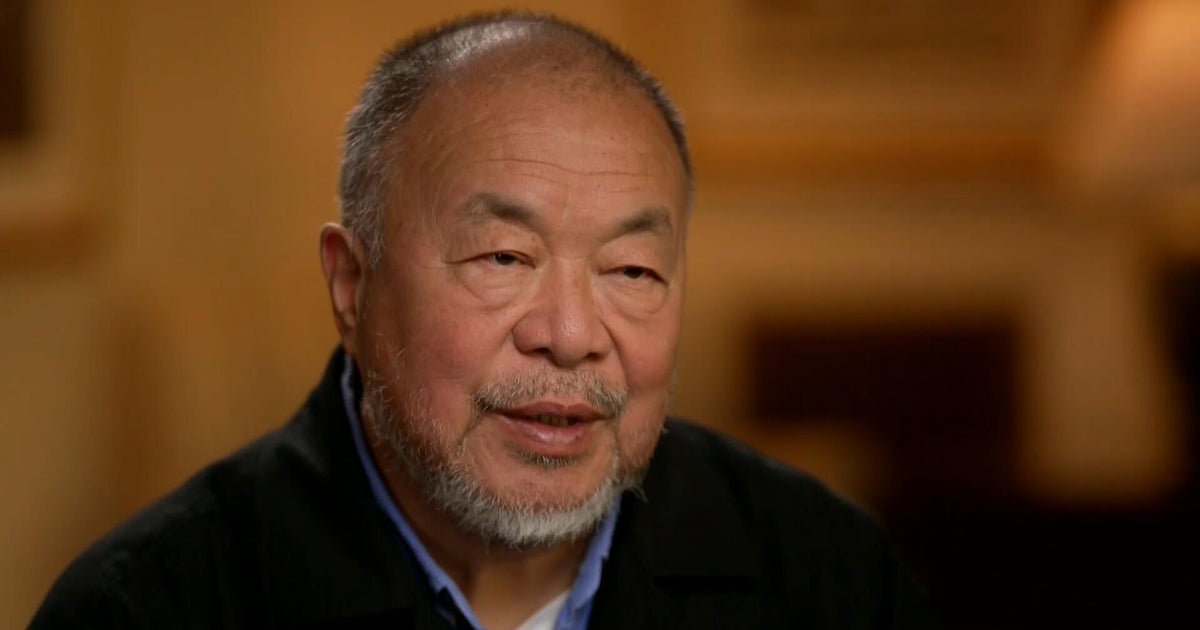
In a CBS Mornings interview timed to his new book On Censorship, artist Ai Weiwei described his personal experiences with surveillance, detention and other restrictions in China and warned that censorship is worsening in Western societies. He recounted being taken by police in Sichuan in 2009, being held in secret detention for 81 days in 2011, installing webcams in his home then being ordered to remove them, and finding listening devices in his studio in 2015. Ai said he left China in 2015 because of concerns for his young son and returned last December to visit his elderly mother; at the airport he and his son were briefly detained and interrogated but released after about two hours. In his book and the interview he argues that censorship in China is pervasive and sophisticated and calls it an "indispensable tool of mental enslavement," while also asserting that censorship exists wherever authority is present and that Western societies are increasingly neglecting basic protections for rationality, human rights and freedom of speech. The interview notes his continued international movement between studios in China and Portugal and public appearances such as an honor at The Lotus Club in New York.
Biblical Reflection
Ai Weiwei’s testimony carries weight because it is grounded in long-standing personal experience of state surveillance and detention in China. Christians should treat his firsthand account of authoritarian censorship with seriousness and sympathy for those who suffer under repressive systems. His broader claim that censorship is worsening in the West raises legitimate concerns about shrinking public space for dissent, but it is also a complex assertion that mixes state repression with social pressure, platform moderation, and cultural conflict; these are different phenomena that require careful distinction. From a Christian perspective, truth-telling and the protection of conscience matter deeply; so does charity toward neighbors whose speech we find painful or wrong. The article frames Ai as a credible witness and highlights his provocative language (e.g., "mental enslavement"), which can sharpen attention but may oversimplify. Christians can hold together a robust defense of free expression and privacy while resisting simplistic equivalences between authoritarian censorship and contested public debate in plural societies. Finally, the story invites the church to pray for persecuted artists and to advocate for institutions and laws that protect vulnerable voices without abandoning humility and mercy in interpersonal discourse.
Scripture in context
This outlook does not yet include contextual Scripture citations. Do not treat a general biblical theme as an exegetical conclusion.
Faithful Response
No prescribed response is offered. Consider the reflection prompts below in your own church context.
Reflection and Discussion
- 1When I hear claims that "censorship is getting worse," do I distinguish between state coercion, corporate moderation, and social pressure — and does that distinction change how I respond?
- 2Whose voices are most at risk of being silenced in my context, and how should the church act to protect them while practicing mercy and truth?
- 3Am I willing to receive uncomfortable testimony from those who have suffered censorship, even when it casts my own society in a critical light?
Sources
Reporting links are evidence inputs; Sanctuary News' biblical reflection is commentary.
This outlook currently relies on fewer than two linked sources. Broaden verification before teaching from it.
- 1.Original reportprimary