News Summary
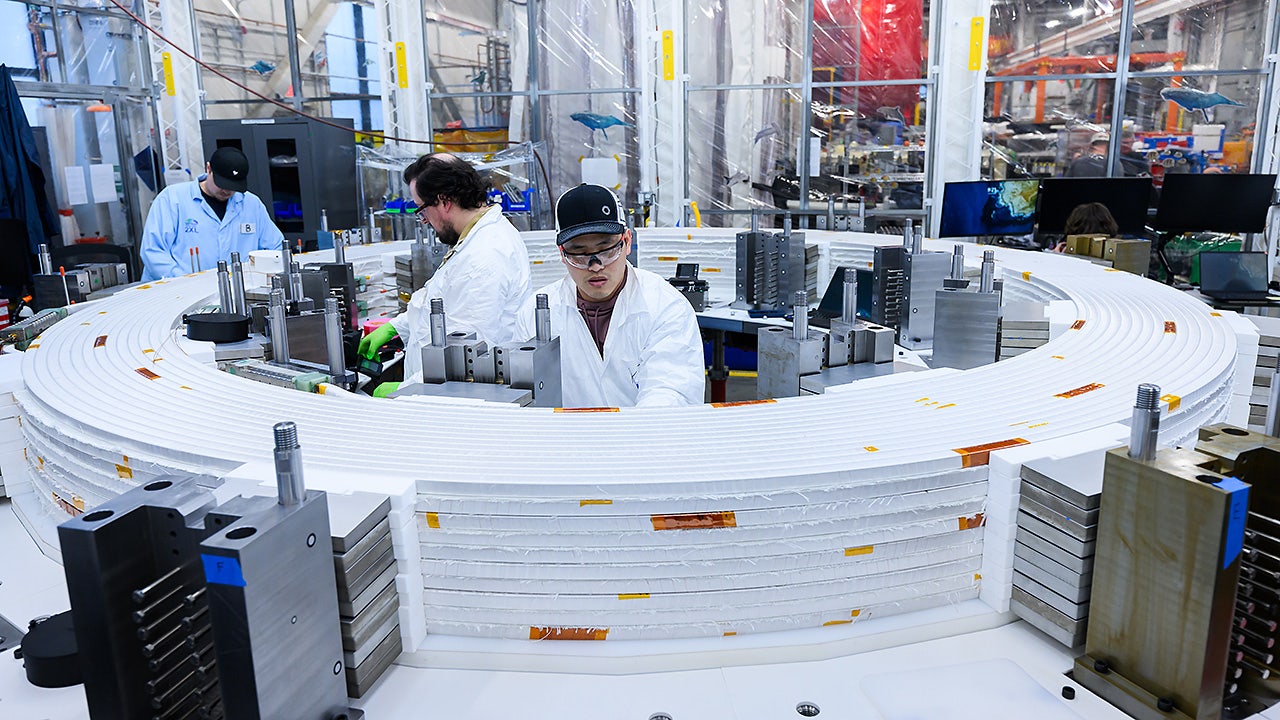
AI-driven growth in computing has sharply increased electricity demand. In 2024 data centers used about 1.5% of global electricity, and industry estimates show continued rapid growth such that data-center consumption could rank among the world’s five largest energy consumers. Exelon CEO Calvin Butler said the utility industry plans roughly $1.1 trillion in infrastructure investment over the next five years; he also reported a 645% supply-cost increase across the PJM region since 2024. Companies are pursuing multiple responses: private firms and utilities are expanding grid infrastructure, some data-center operators are locating facilities in regions with abundant, cheap renewable power (notably Nordic countries) to reduce grid stress and cooling needs, and fusion-energy developers such as Commonwealth Fusion Systems are pursuing commercial reactors (their ARC design claims high energy return and the ability to power hundreds of thousands of homes). Company spokespeople cited technical and integration challenges, uncertain timelines, and potentially high costs; some academic estimates project significant fusion contribution only on very long time horizons. Nordic data-center development is expanding, with existing facilities and many planned builds, but construction costs and local logistical challenges are noted. Industry sources present a mix of optimism about technological solutions and cautions about practical, economic, and integration hurdles.
Biblical Reflection
The article reports real pressures and earnest responses: energy demand from AI is creating concrete infrastructure needs and prompting both practical relocation choices and high‑risk, long‑term technological bets like fusion. The intentions of utilities and companies—to keep systems reliable and profitable while meeting demand—are understandable, but the piece leans on industry voices and optimistic technical claims that deserve careful scrutiny. Christians should welcome innovation that promotes human flourishing (reliable power, cleaner energy), yet remain skeptical of overconfident timelines and of narratives that prioritize growth or profit without attention to justice, affordability, and ecological stewardship. There are real ethical questions: who bears the cost when supply tightens, how will communities near new builds be affected, and do promises about fusion obscure near‑term needs for equitable grid planning and conservation? AChristian response emphasizes truthful assessment of risks and benefits, humility before complex systems, and advocacy for solutions that protect vulnerable people and creation rather than simply enabling ever‑greater consumption.
Scripture in context
This outlook does not yet include contextual Scripture citations. Do not treat a general biblical theme as an exegetical conclusion.
Faithful Response
No prescribed response is offered. Consider the reflection prompts below in your own church context.
Reflection and Discussion
- 1Whose needs and costs are being prioritized when data centers relocate or when utilities raise prices to cover increased demand?
- 2Are the optimistic claims about new technologies (like commercial fusion) being presented with appropriate humility about timelines, costs, and integration challenges?
- 3How can investment in energy and infrastructure balance short‑term reliability, long‑term sustainability, and care for those most affected by price or supply shifts?
Sources
Reporting links are evidence inputs; Sanctuary News' biblical reflection is commentary.
This outlook currently relies on fewer than two linked sources. Broaden verification before teaching from it.
- 1.Original reportprimary