News Summary
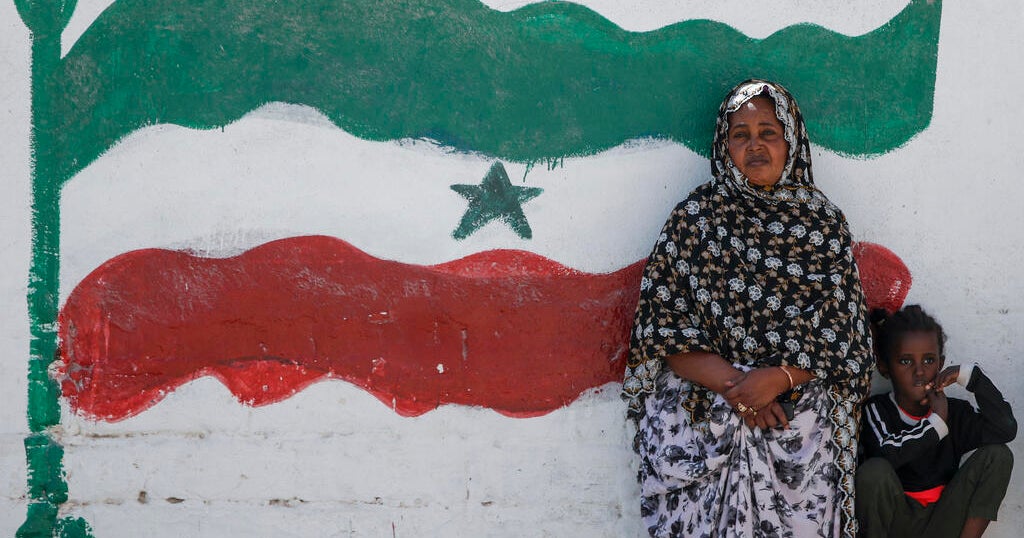
The article reports that major African regional organizations, including the African Union and the East African governing body IGAD, have firmly rejected Israel's recent recognition of Somaliland as an independent nation. Somaliland, which declared independence from Somalia in 1991 and governs itself, had not been internationally recognized until Israel's move. Somalia's federal government and Egypt also condemned Israel's action, emphasizing Somalia's sovereignty and territorial integrity. The article notes that Israel's decision was made in the context of the Abraham Accords, with Israeli and Somaliland leaders signing a joint declaration. Former U.S. President Trump, however, expressed caution and stated he would need to 'study' the situation before considering U.S. recognition. Regional leaders argue that unilateral recognition undermines peace, stability, and established international law in Africa.
Biblical Reflection
From a biblical perspective, the issue of national sovereignty, conflict, and recognition brings to mind the importance of justice, peace, and respect for the dignity of peoples (Micah 6:8; Romans 12:18). The pursuit of political gain or strategic advantage must not come at the expense of truth or the well-being of vulnerable populations. The Bible consistently cautions against sowing division (Proverbs 6:16-19) and calls for peacemakers (Matthew 5:9). The actions of nations in recognizing or rejecting the sovereignty of regions like Somaliland should be weighed with humility, wisdom, and a genuine desire for peace and justice—rather than self-interest. It is also crucial to avoid actions that could inflame tensions or lead to conflict, as Christians are called to be agents of reconciliation. The situation invites prayer for discernment among world leaders, compassion for affected peoples, and the pursuit of paths that honor peace, truth, and justice before God.
Scripture in context
This outlook does not yet include contextual Scripture citations. Do not treat a general biblical theme as an exegetical conclusion.
Faithful Response
No prescribed response is offered. Consider the reflection prompts below in your own church context.
Reflection and Discussion
- 1How can Christians encourage peace and reconciliation in situations of international conflict and disputed sovereignty?
- 2What does it look like to seek justice and truth in complex political situations?
- 3How can we pray for world leaders to act with wisdom and humility rather than self-interest?
Sources
Reporting links are evidence inputs; Sanctuary News' biblical reflection is commentary.
This outlook currently relies on fewer than two linked sources. Broaden verification before teaching from it.
- 1.Original reportprimary