News Summary
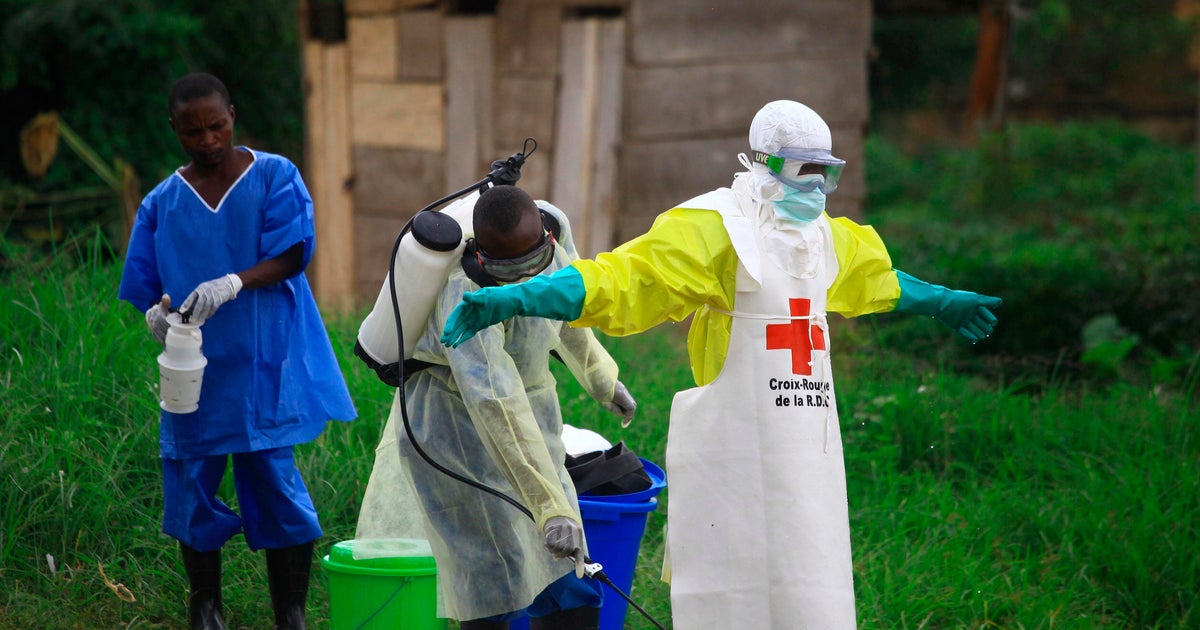
Africa CDC confirmed a new Ebola outbreak in Ituri province in the Democratic Republic of the Congo, reporting 246 suspected cases and 65 deaths as of the statement. Suspected cases and deaths are concentrated in the Mongwalu and Rwampara health zones; suspected cases were also reported in the provincial capital, Bunia, pending confirmation. Preliminary laboratory testing detected Ebola virus in 13 of 20 samples. Four deaths have been reported among laboratory-confirmed cases. Africa CDC cited factors that increase the risk of spread: intense population movement, mining-related mobility in Mongwalu, insecurity in affected areas, gaps in contact listing, and control challenges. Proximity to Uganda and South Sudan raised cross-border concerns. Africa CDC convened an urgent high-level coordination meeting with health authorities from the DRC, Uganda and South Sudan and partners to prioritize response actions (surveillance, lab support, infection control, risk communication, safe burials, and resource mobilization). This is the 17th Ebola outbreak in the DRC since 1976; prior outbreaks (including 2018–2020) caused significant mortality and response challenges, and logistical and security issues have previously impeded vaccine delivery and outbreak control.
Biblical Reflection
The article reports concrete public-health facts: case counts, sample results, and operational concerns. Its primary framing is epidemiological and logistical rather than political or theological. From a Christian perspective, several truths and cautions emerge: (1) The reality of human suffering: Ebola is a severe, often fatal disease that disproportionately affects vulnerable and remote communities. The gospel calls Christians to compassionate attention to those who suffer (Matthew 25). (2) The need for wise, collaborative action: the response requires scientific expertise, cross-border coordination, and adequate resources; faith and prayer should accompany — not replace — such practical efforts. (3) Beware of fear-driven or dehumanizing narratives: reporting that emphasizes death counts and contagion without naming human stories or systemic causes (conflict, poverty, weak infrastructure) can increase fear, stigma, or fatalism. (4) Justice and peace matter to health: ongoing insecurity and armed groups in eastern DRC are not incidental background details but root contributors to the spread and to response difficulties; Christians should recognize the structural factors that compound disease burdens. The article appears fact-based and measured, but readers should remember that numbers from remote, conflict-affected areas are often incomplete and that headlines can arouse anxiety. The Christian response is to pray for the sick and those who serve, to support evidence-based humanitarian and public-health efforts, and to advocate for peace and resources that reduce vulnerability.
Scripture in context
This outlook does not yet include contextual Scripture citations. Do not treat a general biblical theme as an exegetical conclusion.
Faithful Response
No prescribed response is offered. Consider the reflection prompts below in your own church context.
Reflection and Discussion
- 1How does the article's focus on case counts and logistics shape our emotional response (fear, urgency, compassion), and what might be missing from that focus (individual stories, structural causes)?
- 2What assumptions about causality and responsibility—such as treating disease as purely biomedical rather than linked to conflict, poverty, and mobility—are present or absent in this report?
- 3How should Christians hold together trust in medical expertise, engagement in practical relief, and dependence on prayer without turning any of those into substitutes for the others?
Sources
Reporting links are evidence inputs; Sanctuary News' biblical reflection is commentary.
This outlook currently relies on fewer than two linked sources. Broaden verification before teaching from it.
- 1.Original reportprimary