News Summary
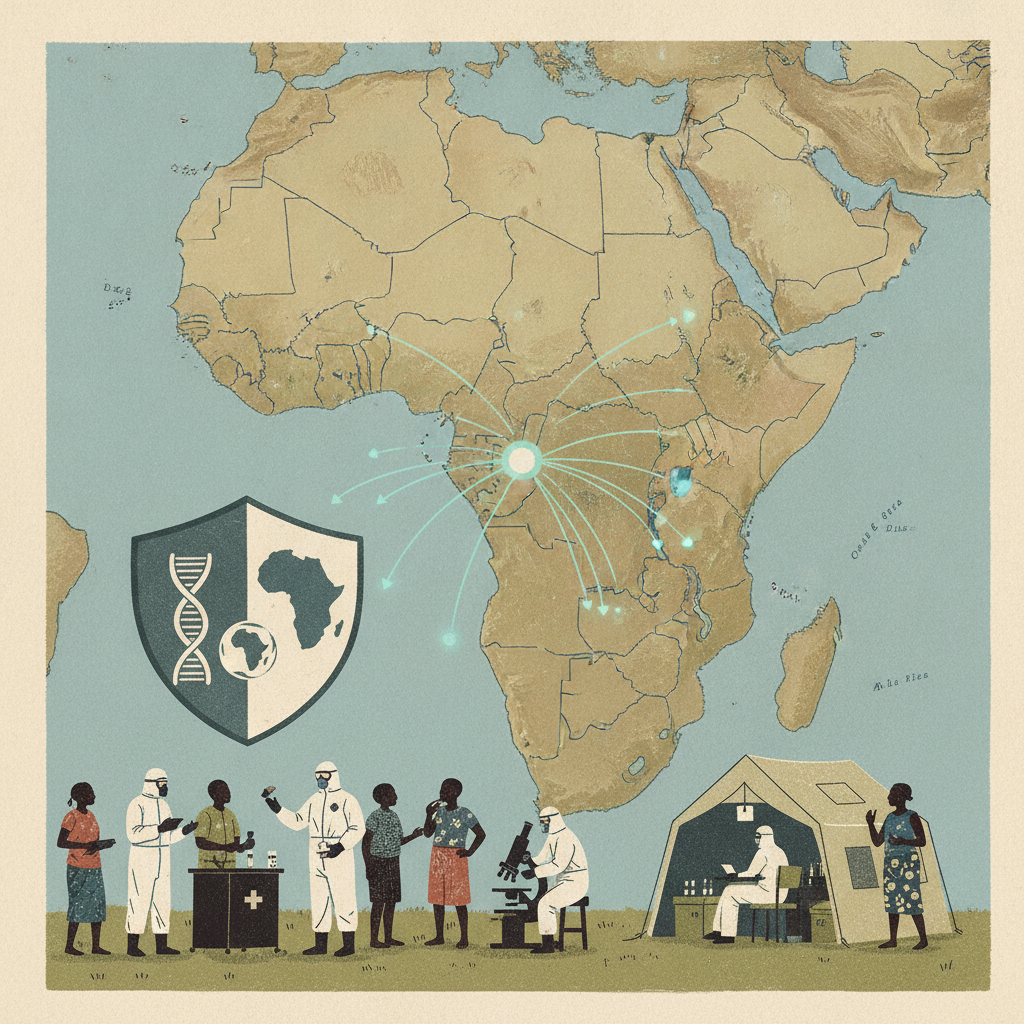
Reported facts: WHO and Africa CDC announced a joint six-month (June–November 2026) continental preparedness and response plan for an ongoing Ebola outbreak caused by the Bundibugyo virus; the plan seeks US$518 million and lists priorities including surveillance, laboratory testing, infection prevention and control, clinical care, community engagement, logistics, and maintaining essential services; it complements national plans in the Democratic Republic of the Congo and Uganda; WHO/Africa CDC state implementation is underway, with strengthened measures in 10 priority countries and accelerated operations in the DRC. Attributed claims: WHO Director-General and Africa CDC Director-General are quoted emphasizing unified coordination, community trust, political commitment, and speed. Uncertainties: the article does not supply case counts, geographic distribution of cases, epidemiological trends, timelines for raised funds, nor independent verification of operational capacity or outcomes.
Source and Framing Analysis
This is an institutional press announcement from WHO reporting on a joint plan; its purpose is to explain objectives, mobilize funding, and encourage coordinated action. Material uncertainties affecting the story include: lack of independent data on outbreak size and trajectory, absence of details on how the US$518 million will be allocated, and no outside sources confirming the operational readiness or current case numbers. The framing emphasizes unity, urgency, and community-centered response, which is appropriate for mobilization but does not provide granular evidence about on-the-ground conditions or expected efficacy.
Biblical Reflection
This plan reflects a responsible public-health response to an active regional Ebola threat: centralized coordination, rapid detection, and community engagement are practical means to limit transmission and protect vulnerable people. The article is an institutional announcement (WHO/Africa CDC) promoting a fundraising and operational plan; it states aims and priorities rather than independent verification of outbreak scope or outcomes. From a Christian perspective, the plan models neighbor-love by prioritizing protection for vulnerable communities and by calling for solidarity across borders and institutions. Christians should welcome coordinated efforts that seek to preserve life and serve the suffering while remaining watchful for how resources are allocated and for truthful communication with affected communities. The article’s worldview centers on technocratic, intergovernmental problem-solving and places trust in science, coordination, and community participation — all of which align with biblical commitments to care for the sick and steward resources responsibly. At the same time, Christians should ask whether the response sufficiently centers those most at risk and whether spiritual, pastoral, and moral supports are being mobilized alongside clinical responses.
Scripture in context
- 1Matthew 25:31–46 (context: the judgment scene about care for the 'least of these') — In this passage Jesus speaks about final accountability, identifying care for hungry, thirsty, sick, and imprisoned people as the way his followers encounter him; it addresses neighborly, concrete acts of mercy within a community ethic. — The passage supports Christians engaging in practical care — including supporting public-health responses — as part of faithful witness; it also calls believers to see the dignity of those in need and to resist policies or attitudes that dehumanize vulnerable people.
Faithful Response
Pray specifically for those affected, for front-line health workers, and for wise leadership in WHO, Africa CDC, and national ministries of health.
Support accurate public-health guidance and encourage neighbors to follow evidence-based prevention measures without spreading fear or stigma.
Donate to reputable relief or public-health organizations working in the region and ask how funds will reach communities in need.
Volunteer or provide pastoral care (remote or local) to immigrant or diaspora communities who may be worried or directly affected.
Reflection and Discussion
- 1In what ways should our prayer, giving, and advocacy be shaped by both concern for immediate suffering and long-term resilience of health systems?
- 2How can the church accompany medical responses so that care remains dignified, culturally sensitive, and centered on the needs of the most vulnerable?
- 3Are we attending to spiritual and pastoral needs as well as technical solutions in responding to public health emergencies?
Sources
Reporting links are evidence inputs; Sanctuary News' biblical reflection is commentary.
This outlook currently relies on fewer than two linked sources. Broaden verification before teaching from it.
- 1.Africa CDC and WHO launch joint continental Ebola response planofficial_document