A little more detail
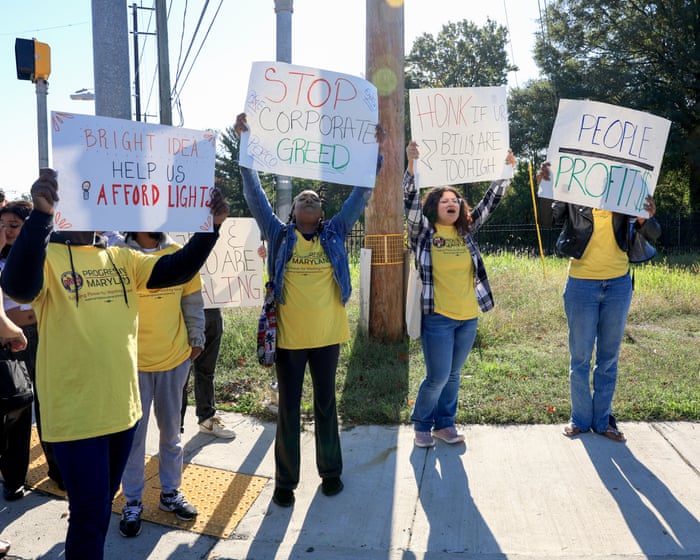
The Guardian reports that affordability and rising costs are a top concern for voters in the 2026 midterm elections. The article uses first-person accounts to show economic pressures shaping voting decisions and highlights a prolonged public-sector labor action in Lorain County, Ohio: workers at Lorain County Job and Family Services, including a named employee, have been on strike since February 2026. The Guardian characterizes that strike as the longest public-sector strike in Ohio history and says it may be on pace to break the U.S. record; this historical claim is reported by The Guardian but lacks independent corroboration in the piece.
Source and Framing Analysis
Primary source: a single long-form report in The Guardian that blends human-interest interviews, local labor reporting, and broader statements about voter priorities. Strengths: centers affected people’s voices (which surface lived hardship and civic consequences) and gives a concrete local example (Lorain County strike with a named worker). Limits and caveats: the article presents compelling testimony but does not include national polling data or quantitative measures to show how representative the reported concerns are across the electorate. The claim that the Lorain County public-sector strike is the longest in Ohio history and may break the U.S. record is asserted in the piece without accompanying documentation or independent sources in the text supplied. The piece also does not, in the excerpt provided, show responses from county officials, union leadership beyond the strikers’ perspective, or data on the strike’s size or direct effects on services. Readers should treat the human stories as important evidence of real hardship while seeking follow-up reporting (official records, additional outlets, union and county statements, and polling) to test broader generalizations.
How sources covered this story
Sanctuary separately assesses reporting quality and alignment with Christian virtues. The virtues assessment considers truthfulness, dignity, compassion, justice, peacemaking, humility, and care for vulnerable people. It does not assess a publisher's faith or reward religious language.
Compare 1 reports
Reporting 75/100Virtues 82/100
- Distinctive contribution
- Identifies Gina Jones and coworkers at Lorain County Job and Family Services as being on strike since February 2026, and asserts this is the longest public-sector strike in Ohio history and on pace to break the U.S. record — a specific, local illustration linking economic hardship to political mobilization.
- Framing
- Frames affordability as a prevailing concern driving the election and connects worker/union activism (strikes and candidates championed by unions) directly to that economic pain. Uses a concrete local labor dispute as an emblematic example of the broader trend.
- Omissions or uncertainty
- The excerpt does not provide sourcing or evidence for the claim about Ohio and U.S. strike-record status, nor does it give numbers (how many strikers), the strike's specific demands, negotiation status, or how representative this example is nationally. No poll data or quantitative measures of affordability are given. No countervailing perspectives or responses from county officials or others are included in the excerpt.
- Why these scores
- The passage is concise and supplies a specific, verifiable-seeming local example that materially illustrates the article's thesis, which is good reporting for a brief news piece. However, the excerpt includes a consequential historical claim (longest public-sector strike in Ohio history; on pace to break the U.S. record) without attribution or supporting detail in the supplied text, and lacks quantitative context (scale, dates beyond start month, sources, or responses). Those omissions limit the excerpt's reliability for readers seeking confirmation of the record claim. The excerpt centers human dignity and need by highlighting affordability pressures and a worker’s perspective implied by the headline quote. It avoids dehumanizing language, foregrounds vulnerable people's material struggles, and connects those struggles to civic engagement (strikes, unions, voting), which supports compassion, justice, and care for the vulnerable. The score is not higher because the excerpt lacks deeper restorative or systemic context (policy options, responses) and offers limited sourcing to enable verification.
Biblical Reflection
Affordability is both an economic and moral concern: when people must choose between medicine and groceries, human dignity is at stake. Christians should keep truth and mercy together—advocate for accurate, verifiable reporting while responding pastorally to neighbors under economic strain. This calls for nonpartisan mercy (food and medicine assistance, listening, pastoral care), support for fair and peaceful labor negotiations that respect workers’ dignity, and sober civic engagement that evaluates candidates and policies by how they protect vulnerable households. Scripture themes of caring for the poor, seeking justice, and practicing humility and hospitality should shape our responses without turning neighbor-care into partisan signaling.
Scripture in context
- 1 — A New Testament teaching that links final judgment with practical care for people who are hungry, thirsty, strangers, naked, sick, and imprisoned; communities have often read this as a call to attend to basic human needs as neighbor-care. — The Guardian's focus on families choosing between medicine and groceries frames economic vulnerability as a neighbor-care issue. Christians can use this passage to motivate practical assistance and to evaluate public policies by how they affect the most vulnerable, while avoiding simplistic political partisanship.
- 2 (theme) — Teachings that emphasize loving mercy, acting justly, and walking humbly before God; these texts are traditionally read as calling communities to combine compassion with institutional accountability. — Responding to affordability pressures calls for both mercy (immediate help for those in need) and justice (advocacy for systems that protect workers and low-income families). Churches can practice both: provide direct aid and work for structural reforms that reduce harm.
Faithful Response
Pray specifically for families making impossible budget choices, for county workers on strike, for negotiators, and for public officials balancing budgets and services.
Listen to neighbors’ concrete needs before forming policy judgments—prioritize first-hand testimony alongside verified data.
Provide nonpartisan, practical help (benevolence funds, medication/food referrals, partnerships with local service agencies) and publicize those resources clearly.
Support peaceful, lawful labor negotiation processes and the dignity of workers while also encouraging transparent accounting of public-service impacts and stewardship of public resources.
Vote informed: evaluate candidates by concrete policy proposals and track records on wages, healthcare access, and supports for vulnerable households rather than slogans.
Reflection and Discussion
- 1How does describing economic strain as a moral issue change how I engage in civic life and voting?
- 2Where can my congregation provide immediate relief that preserves dignity (help with medicine, food, job support) and also work for longer-term solutions?
- 3How will I weigh personal testimony and visible suffering against the need for verified data when forming public judgments?
- 4What practices can our faith community adopt to hold together truth, mercy, and justice in public conversations about cost of living and labor disputes?
Sources
Reporting links are evidence inputs; Sanctuary News' biblical reflection is commentary.
This is a developing, single-source report. Details may change as more reporting becomes available.
- 1.Affordability top of mind for voters in final sprint to midterms: ‘I have to pick between medicine or groceries’primary_reporting