News Summary
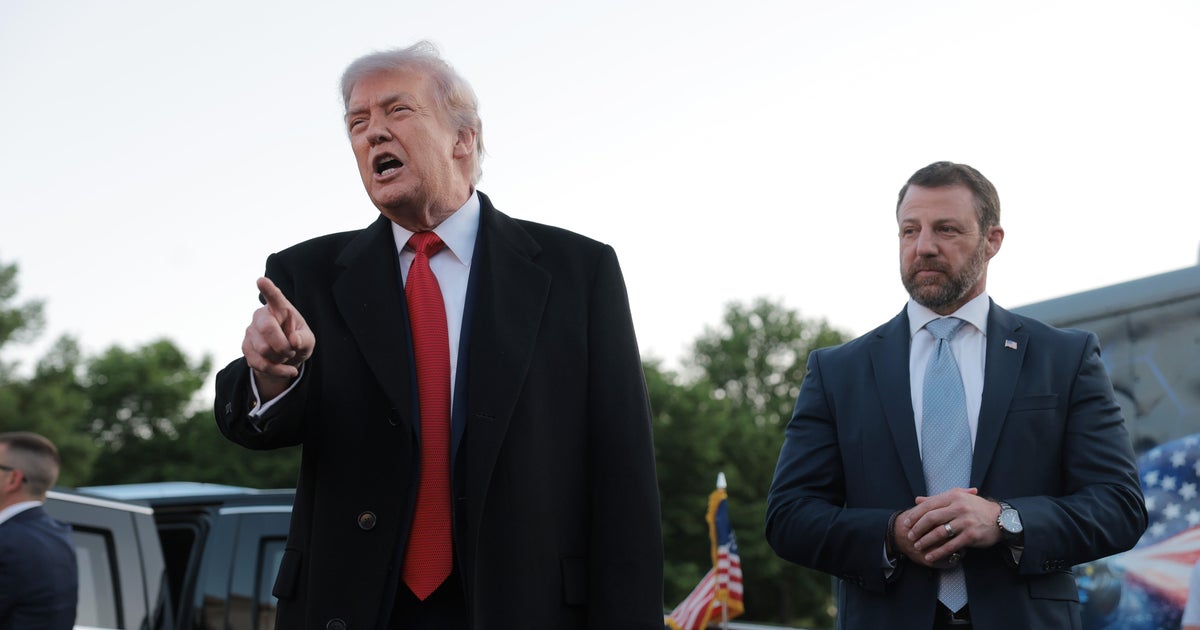
Reported facts: Administration officials (President Trump and DHS Secretary Markwayne Mullin) asserted that about 250,000 non-citizens were registered to vote in California, New Jersey, Nevada and Pennsylvania and that 28,000 were found in 23 cooperating states. The administration said the 250,000 figure was based partly on commercial database analysis and that some states have not complied with requests for voter data. Attributed claims and uncertainty: CBS News notes the administration has not published the methodology or underlying data for the 250,000 estimate; outside experts told CBS that commercial-database matching is prone to false positives and that confirmed cases of non-citizen voting are rare. State officials from the named states disputed the numbers or said they would review any data. The article also reports prior state audits that found small numbers of non-citizens on rolls and legal actions related to the SAVE system and executive orders, some of which have been blocked by courts.
Source and Framing Analysis
Source role: CBS News is the sole supplied reporting source; the article compiles administration assertions, expert reaction, and state responses. Missing voices and verification: the administration has not provided the raw data or detailed methodology publicly; independent experts, academic studies, or the underlying datasets are not presented in full. Incentives and framing: the administration’s claims support policy initiatives (SAVE America Act, SAVE system changes, executive orders) and may influence public opinion before verification; states and courts have legal and institutional incentives to protect voter data and procedures. Disputed claims: the central 250,000 figure and the methods used to derive it are explicitly disputed by outside experts and some state officials. What needs independent verification: the raw matching methodology, the commercial databases used, the extent of confirmed (not potential) non-citizen registrations, and the correspondence/data shared with states.
Biblical Reflection
From a Christian perspective, the concerns about election integrity and lawful voting are legitimate civic interests. But truth-seeking requires transparent methods, careful evidence, and restraint in public claims when the data are uncertain. Broad, repeated public assertions without published methodology risk eroding trust, fueling fear, and prompting actions that could wrongly disenfranchise lawful voters or stigmatize immigrant neighbors. The push to centralize sensitive voter and identity data raises legitimate privacy and due-process questions; courts and state officials have a role in checking executive action. Christians should press for honest, verifiable information, respect for lawful process, protection of vulnerable people from wrongful removal or accusation, and policies that balance security with justice and mercy. Claims that exaggerate problems or prioritize political advantage undermine civic peace and make it harder to pursue sincere reforms that protect both the ballot and the dignity of neighbors.
Scripture in context
- 1Ephesians 4:25 — Paul addresses the Ephesian church with ethical exhortations for life after conversion, urging believers to discard falsehood and speak truthfully to one another because the church is a single body that depends on honest speech for unity and mutual care. — In a polarized public square, Christians should prioritize accurate speech and encourage verification before making or repeating serious accusations, recognizing that false or careless claims can harm individuals, damage institutions, and fracture communal trust.
Faithful Response
Before endorsing or sharing dramatic claims about elections, seek primary sources and ask for methodologies and raw data; decline to amplify unverified numbers.
Pray for officials, election workers, and immigrants; advocate for transparent, lawful processes that both prevent ineligible voting and protect eligible voters from wrongful removal.
Encourage personal humility and charity in political conversations—prioritize reconciliation and facts over partisan advantage.
Reflection and Discussion
- 1What documentation or independent verification would make the administration’s claim about 250,000 registrations credible to you?
- 2Who benefits politically from presenting uncertain data as settled fact, and how should that shape our skepticism?
- 3How does the possibility of false positives in data matching change the ethical response to claims about voter rolls?
Sources
Reporting links are evidence inputs; Sanctuary News' biblical reflection is commentary.
This outlook currently relies on fewer than two linked sources. Broaden verification before teaching from it.
- 1.Administration Says 250,000 Noncitizens Registered to Voteprimary_reporting