News Summary
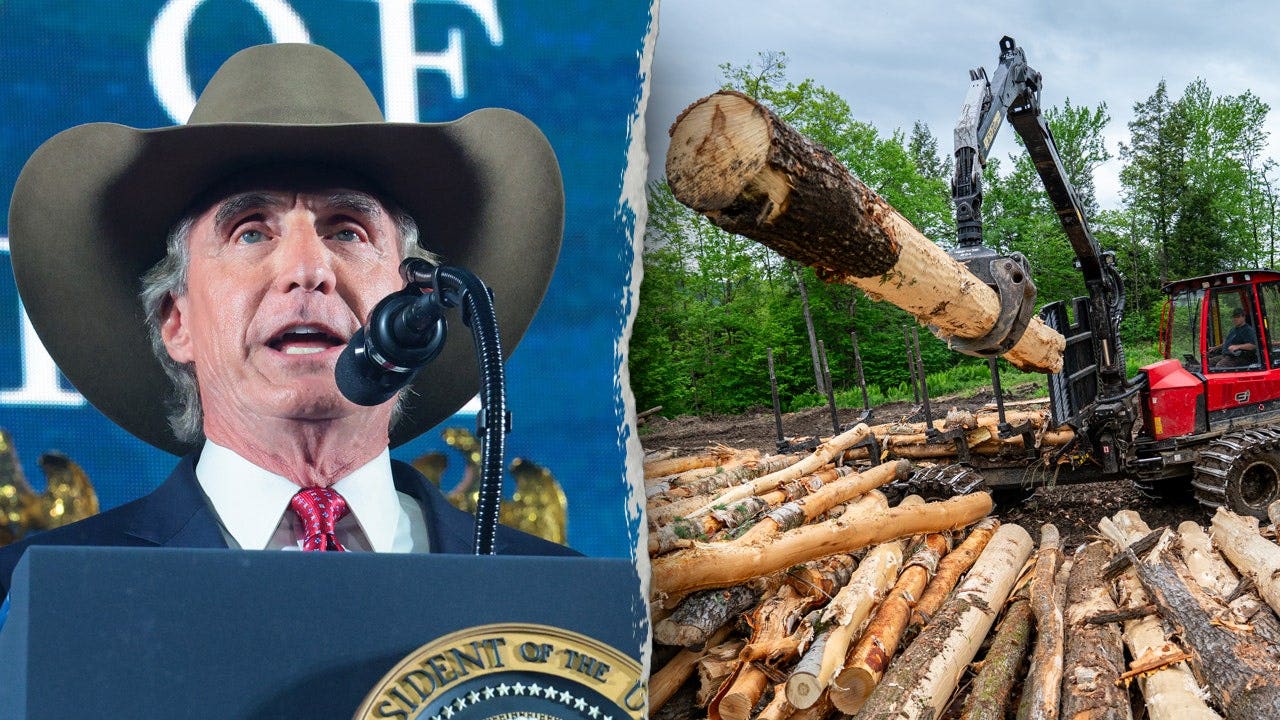
The Interior and Commerce Departments announced they are rescinding a regulatory definition of “harm” under the Endangered Species Act (ESA) that had been used to interpret habitat modification as potentially unlawful “take.” Administration officials, including Interior Secretary Doug Burgum, Commerce Secretary Howard Lutnick, and U.S. Fish and Wildlife Service Director Brian Nesvik, said the change narrows the prior habitat-based theory of harm, restores what they view as the ESA’s original intent, and reduces permitting and compliance burdens on landowners, energy producers, fishers, loggers and developers. The agencies cited species such as the dunes sagebrush lizard and the lesser prairie chicken as examples of where habitat-based restrictions had imposed limits on projects. The administration also referenced the Supreme Court’s 2024 Loper Bright v. Raimondo decision, which reduced deference to agency interpretations of ambiguous statutes, as legal support for the regulatory revision. Officials stated that core ESA prohibitions on directly injuring or killing protected wildlife remain unchanged and framed the change as balancing species protection with economic development. The announcement came from the Trump administration and was reported by Fox News Digital; the article mainly quotes administration officials and industry-aligned concerns and does not include responses from environmental groups, independent scientists, or affected local communities.
Biblical Reflection
This policy move reflects a worldview that prioritizes reducing regulatory burdens on industry and private land use, framing prior enforcement as overreach. The administration’s legal argument leans on recent Supreme Court precedent to justify a narrower regulatory approach. The article largely presents the administration’s perspective without independent scientific or conservationist voices, so readers should note that claims about costs and impacts are asserted rather than independently demonstrated in the piece. From a Christian perspective, two goods are in tension: responsible stewardship of God’s creation and wise care for human neighbors and livelihoods. Scripture calls for both faithful care of the natural world and justice toward people who work and provide for their families. Prudence requires testing policy claims with evidence: what will this change actually do to at-risk species, ecosystems, and to communities that depend on both healthy environments and local economies? Christians should hold leaders accountable for truthfulness, seek voices—scientists, local landowners, indigenous and conservation groups—that are missing from the coverage, and press for policies that honor creation while addressing legitimate economic burdens honestly and humbly.
Scripture in context
This outlook does not yet include contextual Scripture citations. Do not treat a general biblical theme as an exegetical conclusion.
Faithful Response
No prescribed response is offered. Consider the reflection prompts below in your own church context.
Reflection and Discussion
- 1Whose voices are absent from this report (scientists, conservation groups, local communities), and how would their inclusion change the picture?
- 2Does narrowing a legal definition serve short-term economic interests at the expense of long-term ecological and communal health?
- 3Are officials presenting evidence for claimed economic harms and regulatory overreach, or relying mainly on rhetoric that frames complex trade-offs as simple choices?
Sources
Reporting links are evidence inputs; Sanctuary News' biblical reflection is commentary.
This outlook currently relies on fewer than two linked sources. Broaden verification before teaching from it.
- 1.Original reportprimary