News Summary
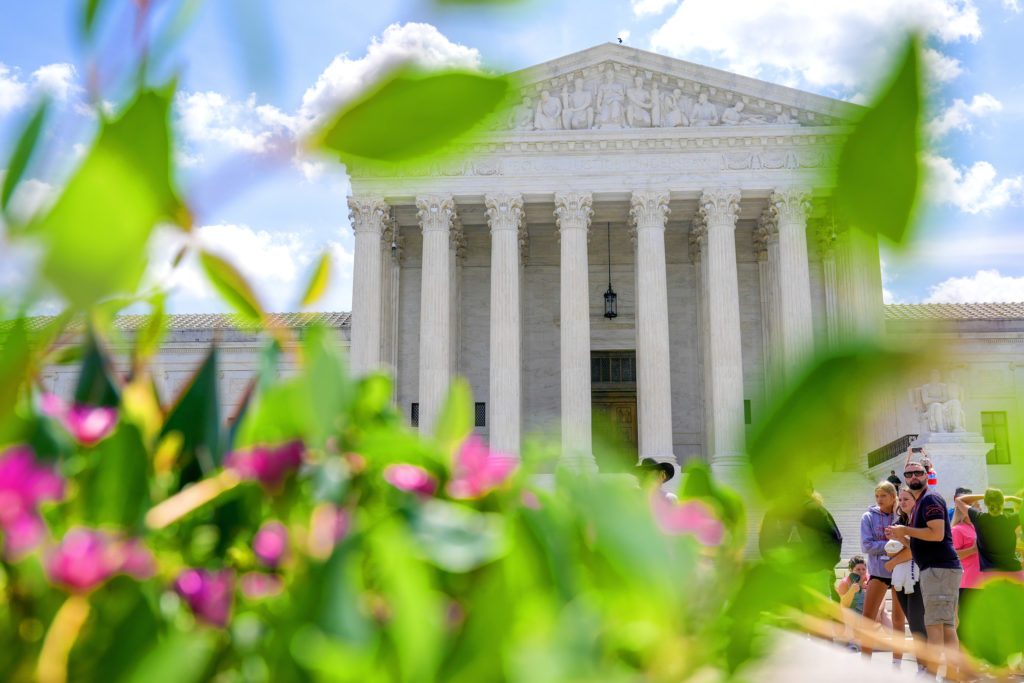
Reported facts: The Trump administration asked the U.S. Supreme Court to allow an executive order from President Trump to take effect; the filing was made on a Monday and is framed as occurring before the midterm elections. Attributed claims: The administration says the order could dramatically change mail-in voting. Uncertainty: The article does not provide the text of the executive order, the specific legal arguments submitted to the Court, how the Court has responded (if at all), or concrete details about what changes to mail-in voting are proposed or likely.
Source and Framing Analysis
The report is short and summarizes a legal filing without providing the executive order's text, the administration's detailed legal claims, or potential operational effects. That absence creates material uncertainty about what the order would do, its legal basis, and who precisely would be affected. The piece does not include responses from other parties (states, election officials, voting-rights groups) or independent legal analysis, so readers should treat the report as an initial notice of a high-stakes legal move rather than a full account of consequences.
Biblical Reflection
This development sits at the intersection of civic order, justice, and neighborly care. Christian wisdom honors both the role of legitimate authorities to serve the common good and the biblical concern for protecting the vulnerable. Changes to how people vote shape citizens’ ability to participate in self-governance; when access to lawful voting is at stake, Christians should be attentive to whether measures expand or restrict civic participation, and whose voices are most affected.
The timing of legal moves close to major elections raises pastoral concerns about stability, trust in institutions, and the peaceful transfer of power. Christians are called to seek truth and pursue justice (including fair procedures), but also to practice humility and peacemaking in contested public spaces. That means asking careful questions about the facts, resisting partisan rushes to judgment, and advocating for lawful processes that protect the right of neighbors to be heard at the ballot box.
Practically, this moment invites prayer for judges, public officials, election workers, and voters, and it calls Christians to informed, nonviolent civic engagement—supporting transparent processes, defending lawful access to voting, and speaking for those whose access might be impaired. Where legal claims are unclear, the faithful posture is to seek truth, protect the vulnerable, and work for peaceable resolution under the rule of law.
Scripture in context
- 1Romans 13:1-7 — Paul’s letter to the Romans addresses Christians living under imperial rule and instructs them to recognize governing authorities as instruments for order and public good, while also implying that authority is accountable to God. — This passage calls Christians to respect legitimate civil institutions while also demanding that authority be exercised for justice and the common good; it supports holding leaders accountable to legal and moral standards rather than uncritically accepting power.
- 2Matthew 22:15-22 (render unto Caesar) — Jesus is questioned about paying taxes to the Roman authorities; in his reply he distinguishes civic obligations from ultimate allegiance to God, affirming engagement with civil responsibilities. — The passage encourages faithful participation in civic life and recognizes the legitimacy of civic obligations, reminding Christians that engagement in political questions should be informed by both practical responsibility and higher moral commitments.
Faithful Response
Stay informed from multiple reliable, primary sources before forming or sharing firm conclusions.
Pray for discernment for judges, officials, and election workers, and for the protection of lawful voting access.
Support nonpartisan efforts that assist voters (voter education, poll working, helping those who need assistance return ballots lawfully).
Contact elected representatives to ask for transparent explanations and safeguards that protect voters’ rights without violence or intimidation.
Reflection and Discussion
- 1How does this reported legal move affect the ability of all neighbors—especially the elderly, disabled, and those in remote areas—to exercise their right to vote?
- 2What evidence do I need before forming a firm view, and how can I prioritize truth and peace over partisan certainty while this legal matter unfolds?
- 3In what ways should concern for orderly civic processes shape our prayer, public witness, and calls for accountability when courts consider election-related actions?
Sources
Reporting links are evidence inputs; Sanctuary News' biblical reflection is commentary.
This outlook currently relies on fewer than two linked sources. Broaden verification before teaching from it.
- 1.Trump administration urges Supreme Court to allow order targeting mail-in voting before midtermsprimary_reporting