News Summary
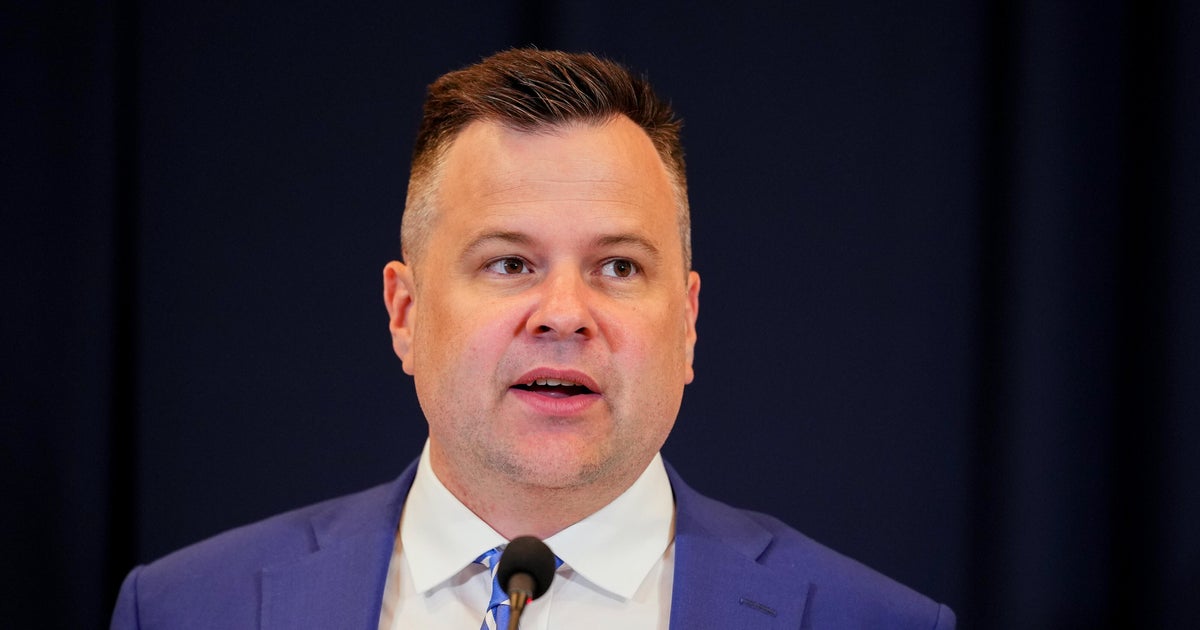
Since Bill Pulte became acting director of national intelligence, just over 50 ODNI staff have been removed from their roles: six career and political intelligence staff were terminated and 45 were returned to their home agencies, according to three sources. Pulte solicited suggestions for cuts from deputies and directors; some pushed for more reductions but Pulte settled on 51 for now. Sources described the actions as methodical; no personnel from the counterterrorism group were removed and no further firings are planned at present. The moves follow larger staff reductions in 2025 under former DNI Tulsi Gabbard, which aimed to reduce ODNI headcount from roughly 2,000 to about 1,300. President Trump had publicly urged additional downsizing and later named Pulte as acting DNI; he has also nominated Jay Clayton for the permanent role but then asked to cancel Clayton’s confirmation hearing. The changes have drawn mixed reactions in Congress: some Republicans, including Sen. Tom Cotton, have argued ODNI grew beyond its original mandate and supported returning detailees to their agencies; leading Democrats on intelligence committees warned against large-scale cuts by an acting official lacking national-security experience. Critics raised concerns that Pulte lacks intelligence experience and that the moves could be politically motivated; supporters emphasize efficiency and reducing bureaucracy. Separately, negotiations to extend FISA Section 702 have been strained since Pulte’s appointment, contributing to the provision’s lapse earlier this month, a development that senators and representatives from both parties have contested on grounds of either national security need or civil-liberty protections.
Biblical Reflection
From a Christian perspective, this story raises questions about stewardship, truthfulness, and the responsible use of power. Intelligence institutions hold sensitive responsibilities for public safety; changes to staffing and structure rightly invite careful oversight and sober judgment, not haste or partisan advantage. The article shows competing legitimate concerns—calls for efficiency and reduced bureaucracy, and worries about preserving institutional expertise and public safety. It also shows political pressures shaping personnel decisions and legislative debates (for example, the lapse of Section 702), so Christians should be alert to how loyalty, expedience, or ideology can distort judgment. Seekers of truth should note the article relies partly on anonymous sources and partisan statements; that doesn’t invalidate the facts reported, but it does mean readers should weigh claims about motives cautiously. Pastoral virtues suggest we should pray for leaders to act with humility and prudence, for institutions to retain necessary competence to protect the vulnerable, and for citizens and lawmakers to debate security and privacy with both courage and compassion. Above all, the common good—public safety, protection of rights, and faithful stewardship of taxpayer-funded institutions—should guide responses rather than purely partisan aims.
Scripture in context
This outlook does not yet include contextual Scripture citations. Do not treat a general biblical theme as an exegetical conclusion.
Faithful Response
No prescribed response is offered. Consider the reflection prompts below in your own church context.
Reflection and Discussion
- 1Are the personnel changes being driven primarily by efficiency and mission needs, or by political loyalty and short-term optics?
- 2How should Christians weigh the need for effective national-security capabilities against protections for civil liberties and privacy?
- 3When institutions are restructured, who is most likely to be helped or harmed, and whose voice is missing from the decision-making?
Sources
Reporting links are evidence inputs; Sanctuary News' biblical reflection is commentary.
This outlook currently relies on fewer than two linked sources. Broaden verification before teaching from it.
- 1.Original reportprimary