News Summary
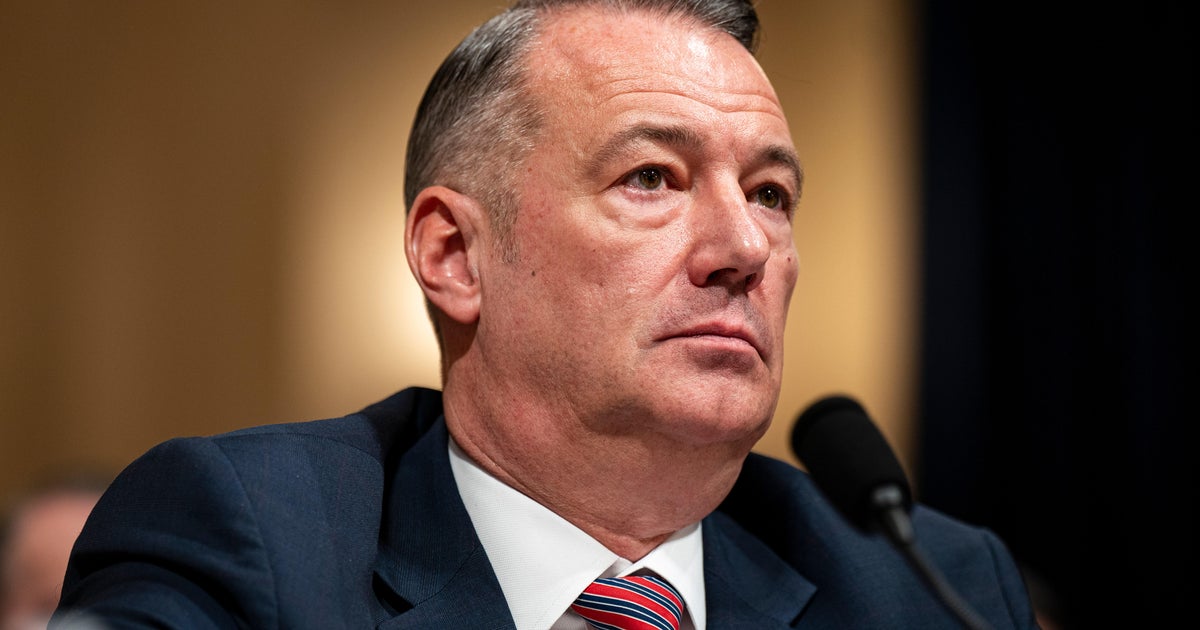
Todd Lyons, the acting head of U.S. Immigration and Customs Enforcement (ICE), plans to leave federal service this spring. Department of Homeland Security Secretary Markwayne Mullin confirmed May 31 as Lyons' last official day; earlier reporting indicated Lyons told colleagues he planned to depart in June to spend time with family and move to the private sector. Lyons, an Air Force veteran who joined ICE in 2007 and rose through field and headquarters roles, was named acting director in March 2025 and has led the agency during the Trump administration's intensified deportation efforts. Supporters in the administration praised his leadership in pursuing criminal noncitizens and broader deportation operations. Lyons also pushed internally to prioritize arrests of immigrants with criminal histories, and he signed a May 2025 memo—later disclosed by a whistleblower—authorizing ICE agents in certain cases to enter homes without judicial warrants, a departure from longstanding practice. Under his tenure ICE expanded recruitment of deportation agents funded by legislation cited in the article. Lyons' departure creates a leadership vacancy at an agency that has long operated under acting directors and that faces intense public and congressional scrutiny, including calls from some Democrats to abolish or reform it and funding disputes tied to enforcement practices.
Biblical Reflection
This report describes a leadership transition at a highly charged federal agency. The facts point to real tensions: the government's responsibility to enforce laws and protect communities, and the moral concerns about how enforcement is carried out and who bears its burdens. The article includes official praise emphasizing public safety and strong enforcement, and it notes internal debate over targeting priorities and controversial operational changes (such as no-warrant entries in some cases). Readers should notice two overlapping worldviews: one that centers order, national security, and strict rule enforcement; and another that prioritizes human dignity, legal process, and the protection of vulnerable people. Scripture calls Christians to both justice and mercy (not one without the other). That means evaluating policies and leaders by whether they uphold rule of law, protect the vulnerable, and preserve human dignity. Media accounts can tilt toward political framing (praise from administration officials, accusations from critics) so discernment requires checking underlying facts (authorities cited, legal changes, whistleblower claims) rather than accepting partisan rhetoric. From a Christian perspective, we should pray for truthful transparency, humane enforcement that respects due process, and leaders who balance safety with compassion. We should also press for accountability where policies risk dehumanizing people or bypassing lawful oversight.
Scripture in context
This outlook does not yet include contextual Scripture citations. Do not treat a general biblical theme as an exegetical conclusion.
Faithful Response
No prescribed response is offered. Consider the reflection prompts below in your own church context.
Reflection and Discussion
- 1Which priorities (security, legal process, compassion for migrants) are emphasized in the article, and how does that emphasis shape public perception of ICE's actions?
- 2What checks—legal, administrative, or civic—are necessary to ensure enforcement decisions respect both public safety and human dignity?
- 3How does political rhetoric from officials and critics influence the framing of leadership changes, and what facts should you seek to move beyond partisan spin?
Sources
Reporting links are evidence inputs; Sanctuary News' biblical reflection is commentary.
This outlook currently relies on fewer than two linked sources. Broaden verification before teaching from it.
- 1.Original reportprimary