News Summary
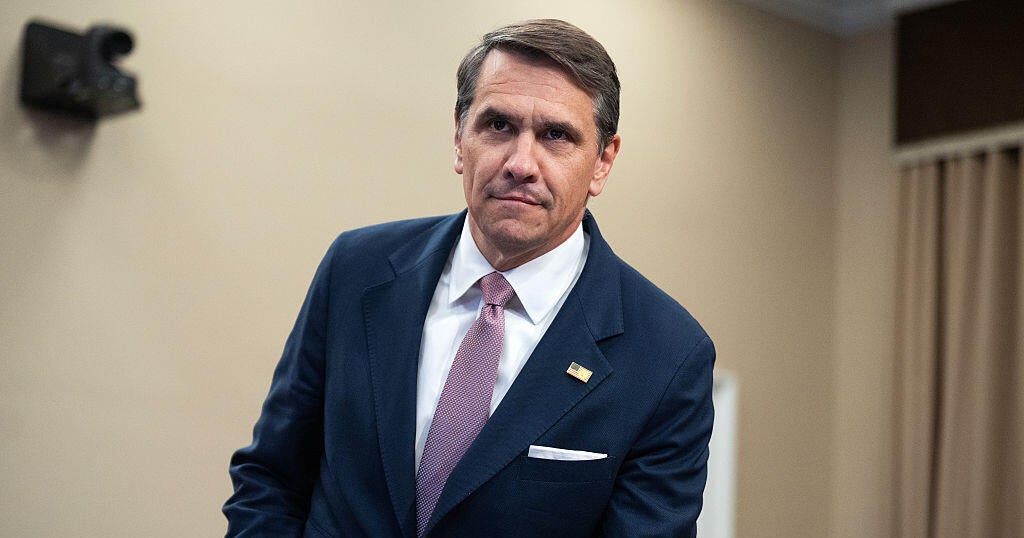
Acting Attorney General Todd Blanche told the House Appropriations Committee that the Justice Department is not moving forward with a proposed $1.8 billion "anti-weaponization" fund. Blanche said "We are not moving forward with the fund. Period." Democratic Rep. Grace Meng asked whether that commitment would be put in writing; Blanche declined to provide a written rescission beyond the hearing transcript. The DOJ had previously said it would stop work on the fund after a district judge temporarily blocked establishment of the program. The proposed fund, tied to a settlement between the IRS and former President Trump and others, would have provided taxpayer-funded payouts to people who claimed the federal government had been "weaponized" against them. Republican opposition in Congress had used the fund as a point of leverage that delayed votes on Department of Homeland Security funding and other GOP priorities. Blanche also testified that the rest of the IRS settlement— including provisions about not auditing certain prior tax returns—remains in place. Senate and House Republican leaders said they were awaiting Blanche's testimony to determine whether to proceed with reconciliation and funding votes, but some lawmakers said his assurances might not be sufficient for all members.
Biblical Reflection
From a Christian perspective, this report raises questions about accountability, transparency, and the stewardship of public trust. The article largely reports testimony and political reactions without overt editorializing, but it highlights gaps that matter for truth and justice: a high-level verbal pledge by a public official without a clear written rescission, a suspended program tied to a court order, and an underlying settlement that contains significant concessions. Christians should be attentive both to the need for lawful, impartial institutions and to the danger of political bargaining that can undercut accountability. The situation invites careful discernment: insist on clarity and written commitments where institutional integrity is at stake, avoid partisan simplifications that treat legal settlements only as political tools, and weigh how policies affect neighbors who rely on fair enforcement of law. The gospel calls us to seek justice and to hold leaders to standards of honesty and stewardship while resisting the temptation to celebrate any outcome simply because it helps one political side.
Scripture in context
This outlook does not yet include contextual Scripture citations. Do not treat a general biblical theme as an exegetical conclusion.
Faithful Response
No prescribed response is offered. Consider the reflection prompts below in your own church context.
Reflection and Discussion
- 1Does relying on verbal assurances rather than written commitments weaken public accountability and the rule of law?
- 2How does the existence of settlements that limit future oversight align with a Christian concern for justice, protection of the vulnerable, and humility before the law?
- 3Are we letting partisan advantage shape our response to questions about institutional integrity instead of insisting on principled standards that apply to all leaders?
Sources
Reporting links are evidence inputs; Sanctuary News' biblical reflection is commentary.
This outlook currently relies on fewer than two linked sources. Broaden verification before teaching from it.
- 1.Original reportprimary