News Summary
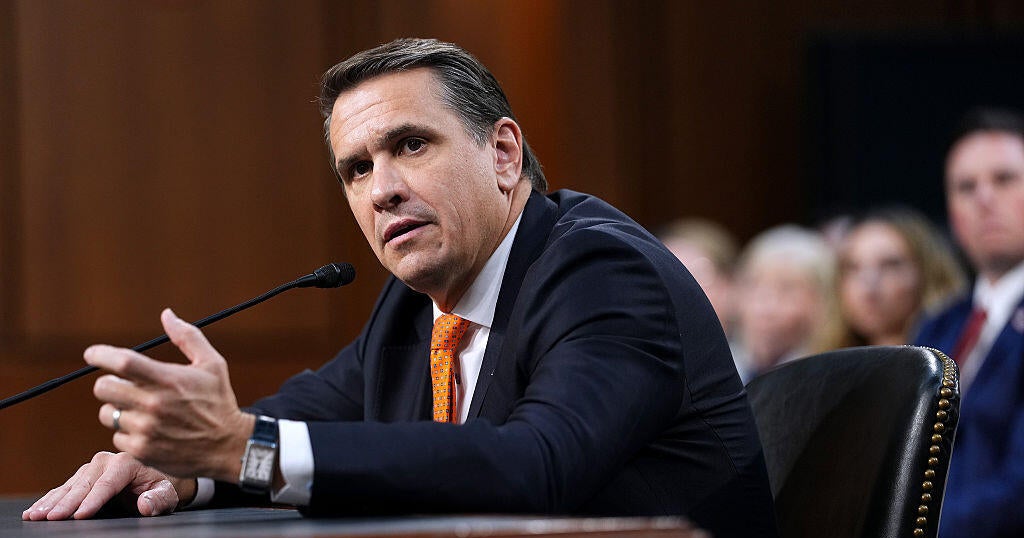
Acting Attorney General Todd Blanche met for about an hour at Justice Department headquarters with a group of women who say they were victimized by Jeffrey Epstein after Republican Sen. Thom Tillis said he wanted such a meeting before he would support Blanche's nomination to lead the department. Senior Justice Department officials, FBI special agents and victim services representatives attended. Blanche encouraged attendees to meet with FBI investigators if they had information relevant to ongoing inquiries; the department says it will investigate and prosecute if new evidence arises. Some accusers, including Annie Farmer and Dani Bensky, said Blanche was condescending, gave noncommittal answers, and treated the meeting as a perfunctory step toward securing votes. Blanche said he wants to secure prosecutions but acknowledged uncertainty about whether further charges against others could be brought. The article notes the broader context: the Justice Department's prior release of millions of Epstein-related documents, which included mistakes and exposed some victims' identifying images; the department defends its handling and says lawyers undertook a large, difficult review and corrected errors when found. Senators' concerns about these issues are affecting Blanche's confirmation prospects in the Senate Judiciary Committee.
Biblical Reflection
From a Christian perspective, this story foregrounds competing claims: the legitimate need for government leaders to be accountable and the deep, personal harm suffered by survivors seeking justice. The meeting was convened within a political process (a confirmation vote), which creates a risk that victims' testimonies can be used instrumentally to sway political outcomes rather than to secure healing and accountability. The Justice Department's stated openness to investigate new evidence is necessary but not sufficient; trust is eroded when institutional mistakes expose victims and when responses feel evasive. Christians should evaluate both the facts and the posture of those in authority: leaders are called to humility, transparency, and a zeal for justice that honors the vulnerable. At the same time, accusations about motives and competence should be weighed against evidence and due process. The article shows tensions between political expediency and righteous justice—reminding believers to advocate for systems that protect the vulnerable, demand honest accountability, and resist cynicism or conspiratorial thinking that obscures real needs for reform and care.
Scripture in context
This outlook does not yet include contextual Scripture citations. Do not treat a general biblical theme as an exegetical conclusion.
Faithful Response
No prescribed response is offered. Consider the reflection prompts below in your own church context.
Reflection and Discussion
- 1Are survivors being placed at the center of efforts to pursue justice, or are their stories being leveraged primarily for political ends?
- 2What concrete steps would restore trust after institutional errors exposed victims, and is the department's response adequate or merely procedural?
- 3How should Christians weigh the need for due process with the moral imperative to protect and believe victims who seek redress?
Sources
Reporting links are evidence inputs; Sanctuary News' biblical reflection is commentary.
This outlook currently relies on fewer than two linked sources. Broaden verification before teaching from it.
- 1.Original reportprimary