News Summary
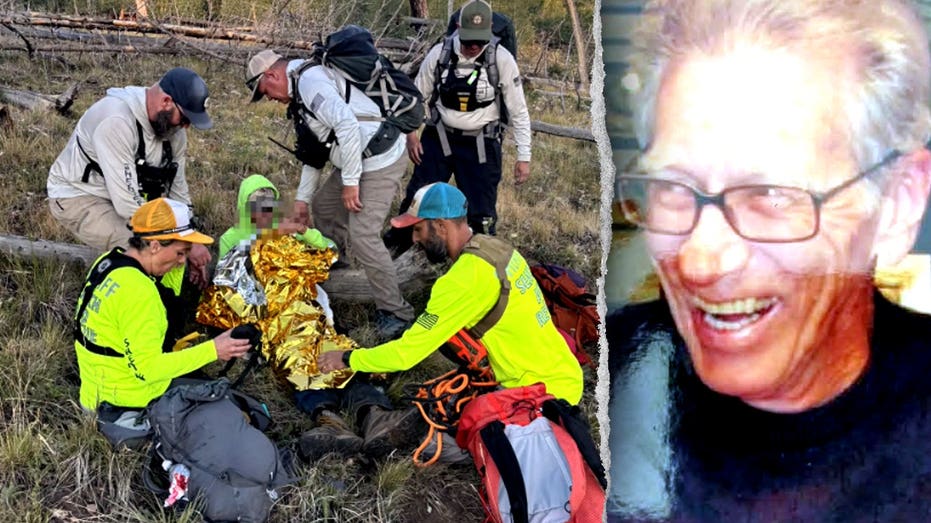
Reported facts: Gerald Guinn, 83, was separated from his companion while hiking in the Grand Canyon, a cellphone ping narrowed the search area, he was seen waving from steep terrain, and rescuers carried him out after an overnight operation. Attributed claims: The article characterizes the carry-out as 'grueling' and notes the cellphone ping narrowed the search; those descriptions are reported by the outlet and likely based on statements from authorities or rescuers, though the article does not quote them directly. Uncertainties: The report does not specify Guinn’s medical condition, exact location within the park, how long he was separated, which agency led the rescue, or direct quotes from search personnel or park officials.
Source and Framing Analysis
The single supplied source is a Fox News report that emphasizes the dramatic elements of the rescue (steep terrain, grueling overnight carry-out). Material uncertainties that affect the story include the lack of direct official statements, missing medical details about the hiker, and absence of timeline specifics. The dramatic framing is common in rescue reporting and highlights human interest; it does not appear to introduce factual contradiction but does leave out information that would allow fuller evaluation of risk, causation, and response.
Biblical Reflection
This story is a reminder of human fragility and the call to care for vulnerable neighbors. Christians can recognize in the quick response of rescuers an expression of neighbor-love: trained people risking comfort and safety to bring someone home. At the same time, the account points to prudent stewardship—preparing for travel, especially with older adults, and using available tools (like cell-location technology) to reduce harm.
The article itself offers limited detail and leans into the drama of a difficult carry-out; readers should be thankful for the rescue while remaining curious about missing facts (condition, cause of separation, long-term outcomes). From a pastoral perspective, celebrate the mercy shown by rescuers, pray for healing for the rescued, and consider how congregations might support first responders and those vulnerable in outdoor spaces.
Scripture in context
- 1Psalm 121 — A psalm expressing trust that the Lord watches over travelers and provides help in times of need, likely composed by pilgrims or those anticipating travel dangers. — This passage addresses God’s protective care for those on journeys; in this rescue story it invites gratitude for providential help and for human agents (rescuers) who serve as instruments of that care.
- 2Luke 10 (Parable of the Good Samaritan) — A teaching of Jesus about neighbor-love, told in response to a question about who qualifies as a neighbor; it challenges listeners to show mercy across cultural or social boundaries. — The parable calls Christians to practical, hands-on mercy. Responding to a hiker in danger — whether through rescue, first aid, or practical preparation — reflects the same ethic of compassionate action.
Faithful Response
Pray for the rescued individual, their family, and the rescuers; give thanks for their safety and for those who answered the call.
Support local search-and-rescue and park services through donations, volunteering, or advocacy for funding and training.
Practice and teach travel safety—especially for older adults—by encouraging trip planning, buddy systems, reliable communication devices, and awareness of terrain difficulty.
Offer practical care to local responders (meals, pastoral support) and to families affected by outdoor emergencies.
Reflection and Discussion
- 1How does the example of neighbors and rescuers in this story challenge your view of what it means to 'love your neighbor' practically?
- 2What assumptions about safety, risk, and personal responsibility does this story expose, and how should Scripture shape our judgments?
- 3In what ways should the church support systems and people who serve those in danger or need?
Sources
Reporting links are evidence inputs; Sanctuary News' biblical reflection is commentary.
This outlook currently relies on fewer than two linked sources. Broaden verification before teaching from it.
Download source notes