News Summary
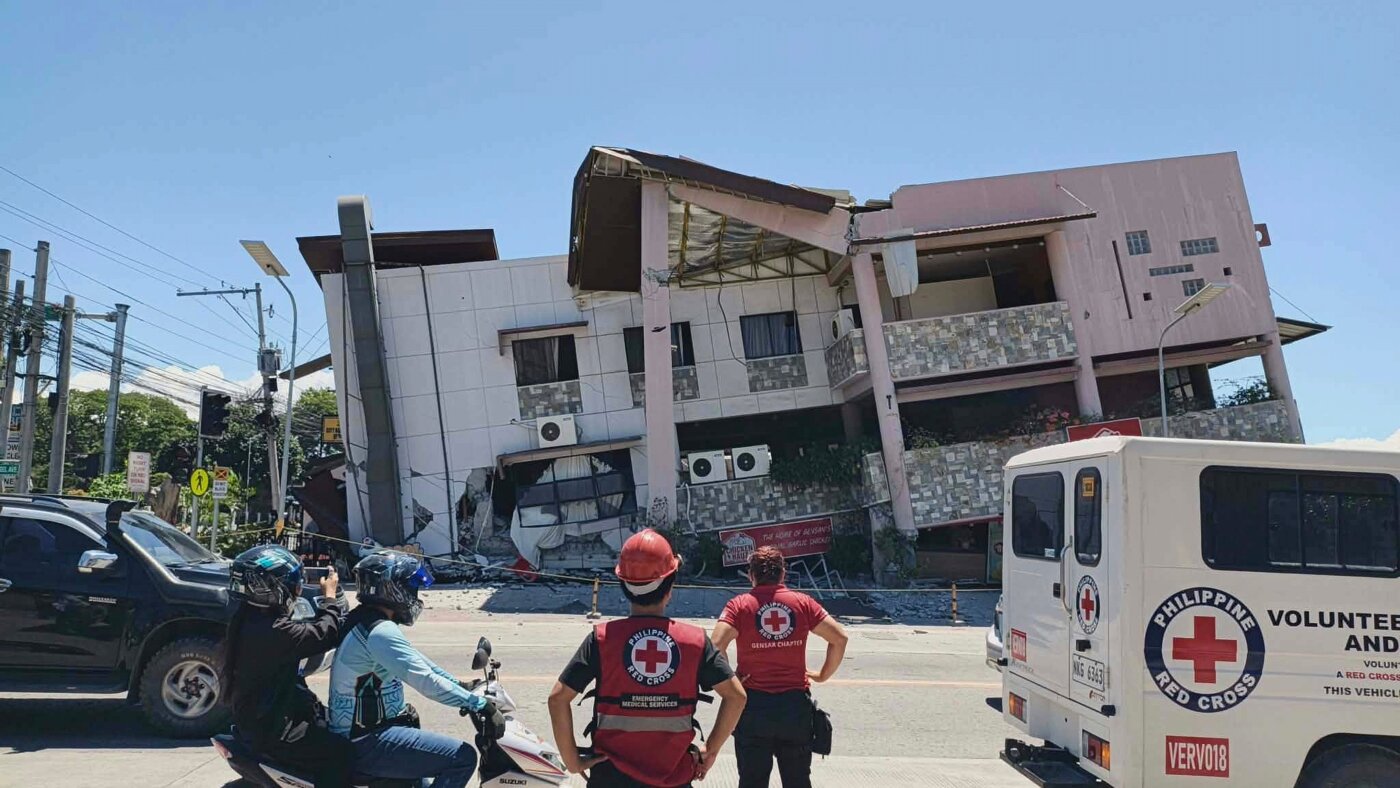
An offshore magnitude 7.8 earthquake struck off southern Mindanao, Philippines, at about 7:37 a.m. local time, centered roughly 32 kilometers southwest of Maasim town. Authorities reported at least 19 people dead and more than 200 injured, primarily from building collapses, falling debris and landslides; thousands of residents were displaced. A tsunami of about 1 meter (3 feet) impacted nearby coasts and smaller waves were recorded as far away as Indonesia, Palau, and parts of Japan; the Pacific Tsunami Warning Center and Philippine officials later lifted broad tsunami warnings. The quake was felt across southern Mindanao and in nearby Malaysian Sabah; aftershocks up to magnitude 6.5 were recorded. Damage included collapsed or severely damaged small buildings in General Santos, landslides, damage to a mosque and shanties, flight cancellations and a temporary airport closure, and reports of people trapped in collapsed structures. Philippine authorities canceled classes, mobilized disaster-response teams, and cautioned against returning to damaged buildings until inspected. Depth estimates varied among agencies (Philippine Institute of Volcanology and Seismology reported ~33 km; the U.S. Geological Survey reported ~55 km).
Biblical Reflection
The article reports immediate facts from official sources and on-the-ground responders; it centers human loss, infrastructural damage, and the unfolding emergency response without overt political framing. As with many breaking-disaster reports, casualty and damage figures are provisional and may change, and technical details (exact depth, aftershock sequence) can vary between agencies. From a Christian perspective, the story calls us to truthful attention to suffering and to practical compassion: grief, material need, displacement, and disrupted lives are central realities that require mercy, prayer, and organized aid. The coverage also exposes human vulnerability before natural forces, inviting humility rather than fatalism or opportunism. Christians should watch for two temptations in public response: minimizing responsibility to help because disasters are 'natural,' and using the event to score political points. Biblical wisdom urges both immediate neighbor-love (rescue, relief, shelter) and long-term solidarity in rebuilding, while urging accurate reporting and patient discernment as details emerge.
Scripture in context
This outlook does not yet include contextual Scripture citations. Do not treat a general biblical theme as an exegetical conclusion.
Faithful Response
No prescribed response is offered. Consider the reflection prompts below in your own church context.
Reflection and Discussion
- 1How does this coverage shape your sense of human vulnerability and the limits of control, and does that lead you toward fear or toward compassionate action?
- 2Which details in early disaster reporting are provisional, and how should that shape our trust of initial casualty counts and technical claims?
- 3Are there voices or needs (rural communities, displaced families, long-term rebuilding) that might be underrepresented now but will require sustained Christian attention later?
Sources
Reporting links are evidence inputs; Sanctuary News' biblical reflection is commentary.
This outlook currently relies on fewer than two linked sources. Broaden verification before teaching from it.
- 1.Original reportprimary