News Summary
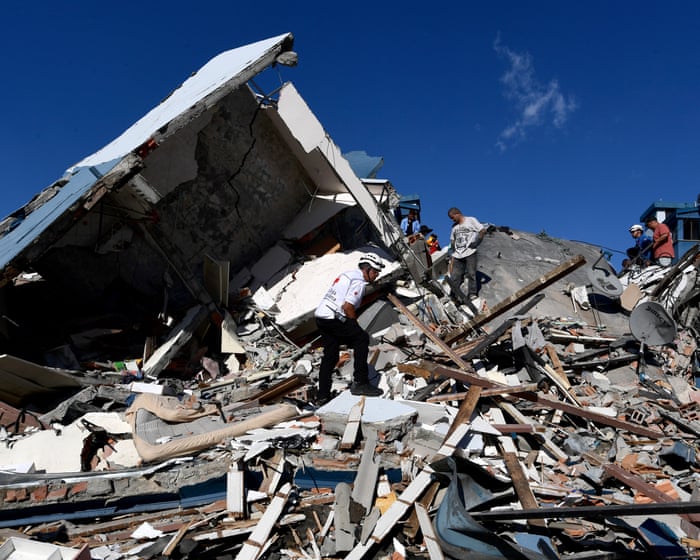
A 7.4-magnitude earthquake struck western Colombia at 7:34 a.m. local time with its epicentre reported in the Chocó department, according to U.S. and Colombian geological surveys cited by reporting. The quake was felt in neighbouring Venezuela. Early reporting (The Guardian newsletter) describes collapsed and severely damaged buildings in cities including Cali and Pereira and says rescuers are prioritising people trapped under rubble. Colombian president Abelardo de la Espriella gave a national address saying the government had deployed resources to protect lives and assist communities. Casualty and injury totals are reported but remain provisional and internally inconsistent in the single early report available.
Source and Framing Analysis
Primary source for this cluster is a Guardian news brief. Strengths: it cites seismic data to U.S. and Colombian geological surveys for magnitude and epicentre, identifies affected population centres (Cali, Pereira), and foregrounds rescue priorities. Limitations and framing issues: casualty and injury figures in the brief are presented as concrete counts yet the item contains an internal inconsistency (different injured totals appear in header vs. body). The piece quotes the president’s national address, which signals official commitment but does not independently verify government capacity or provide granular, locality-level detail (which neighborhoods, indigenous or rural communities, or displacement figures are most affected). Because this is early, compressed coverage (newsletter format), key contextual details and independent corroboration are absent; readers should treat casualty and damage totals as provisional and seek follow-up local reporting and official confirmations.
How sources covered this story
Sanctuary separately assesses reporting quality and alignment with Christian virtues. The virtues assessment considers truthfulness, dignity, compassion, justice, peacemaking, humility, and care for vulnerable people. It does not assess a publisher's faith or reward religious language.
Compare 1 reports
Reporting 78/100Virtues 82/100
- Distinctive contribution
- Gives concrete casualty and injury estimates, exact magnitude and local time, the epicentre location (Chocó) and names main affected cities; notes the rescue priority and that the quake was felt in neighbouring Venezuela.
- Framing
- Concise, slightly emotive headline ('Colombia reels') but body is factual and focused on immediate human impact and rescue as first priority; links this event to recent seismic activity in the region (Venezuela's 24 June double quake) to provide regional context.
- Omissions or uncertainty
- Casualty and injury figures are presented without explicit sourcing or attribution and are likely preliminary; the excerpt lacks detail on who reported the death/injury totals, timing of those counts, geographic breakdown of casualties, scale of infrastructure damage beyond 'scores of buildings', number of people displaced, status of rescue operations, and official emergency response measures.
- Why these scores
- The brief is clear, specific about magnitude, epicentre and time and attributes the seismic measurements to the US and Colombian geological surveys (good sourcing for technical data). However, casualty and injury figures are un-attributed and presented as firm counts without caveats, and there are limited on-the-ground details, sources from officials or first responders, or temporal context for the toll (e.g., preliminary vs confirmed). As a short news brief it responsibly highlights urgent priorities but leaves important uncertainties unreported. The excerpt treats victims respectfully and emphasizes rescue and immediate humanitarian priority, avoiding sensationalist or dehumanizing language. It connects the event to regional hardship without exploiting suffering. The score reflects good alignment with truthfulness, care for the vulnerable, and humility about unknowns, while noting the piece could show more compassion by naming affected communities or highlighting aid/response efforts.
Biblical Reflection
Humanitarian and pastoral priorities: this event is first and foremost a human emergency requiring immediate mercy and practical care. Christians should respond with prayer for the dead, the injured, rescuers, and grieving communities, while organizing accountable, sustained aid that centres the most vulnerable. Welcome and monitor government relief efforts but do not assume official words equal effective delivery—churches and believers should be prepared to complement and hold authorities accountable where needed. Theologically, the crisis invites both humility (we cannot control such disasters) and hope: the church is called to be a steady presence of tangible compassion, justice for those who are marginalized in relief, and long-term solidarity, not only short-term gestures.
Scripture in context
- 1Luke 10:25-37 (Good Samaritan narrative) — Jesus responds to a question about inheriting eternal life by telling a parable that reframes ‘neighbor’ as the one in need, crossing social and ethnic boundaries to provide care. — Use this passage to orient disaster response: treat those harmed by the earthquake as neighbors to be aided practically and compassionately, even when help requires crossing cultural or institutional barriers, accepting cost, and challenging bureaucracies that hinder care.
Faithful Response
Pray specifically for those killed, injured, rescuers, and families mourning loss, and for wisdom for local and national leaders coordinating relief.
Give to reputable, vetted disaster-relief organizations or denominational relief agencies with proven channels into Colombia rather than sending unsolicited goods; prioritize cash or voucher-based aid when advised, to meet urgent needs quickly and flexibly.
Coordinate congregational relief efforts through trusted local partners to avoid duplicating or misdirecting resources; prepare for medium- and long-term needs (shelter, trauma care, rebuilding, legal/advocacy support for marginalized groups).
Avoid amplifying provisional casualty figures; wait for corroboration from multiple credible sources before treating counts as definitive, and communicate uncertainties clearly when informing congregations.
Reflection and Discussion
- 1Which communities (urban poor, informal settlements, rural areas, indigenous groups) are likely to be most affected, and how will our church prioritize them in giving and advocacy?
- 2How do our prayers translate into concrete, accountable action for survivors, and what local partnerships do we need now to move from sympathy to sustained support?
- 3When officials make public commitments after disasters, how will we responsibly monitor whether those commitments result in effective care for the most vulnerable?
Sources
Reporting links are evidence inputs; Sanctuary News' biblical reflection is commentary.
This outlook currently relies on fewer than two linked sources. Broaden verification before teaching from it.
- 1.Colombia reels after major earthquake kills at least 130 | First Thingprimary_reporting