News Summary
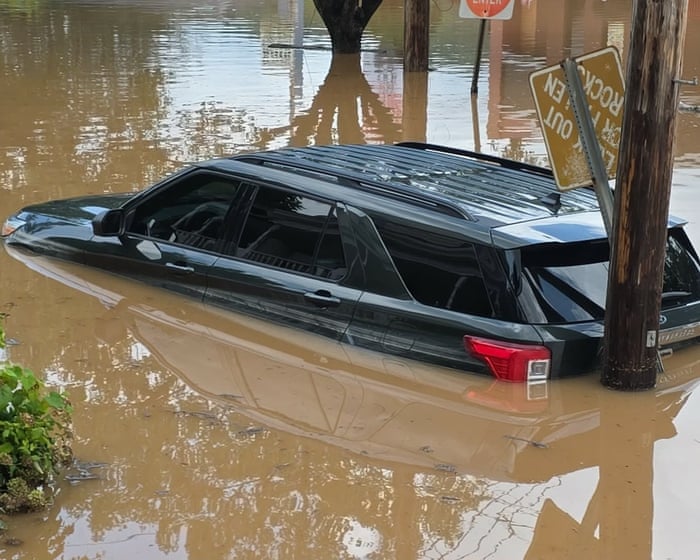
Reported facts: Approximately 500 National Guard members were deployed across West Virginia after torrential rains caused flash flooding; emergency crews were conducting search-and-rescue missions. Governor Patrick Morrisey said the state was in a "phase of search and rescue" and teams were attempting to identify anyone who might still be saved. Attributed claims: the figure of "about 500" and the governor's statements are reported by the Guardian. Uncertainties: the article does not provide casualty or missing-person totals, specific locations affected, the timeline of the rains/floods, property or infrastructure damage assessments, or confirmation from additional official agencies.
Source and Framing Analysis
The supplied piece is brief and focuses on deployment and rescue-phase comments from the governor. Material uncertainty that affects the story includes the absence of casualty counts, geographic specificity, official confirmation from other agencies (FEMA, state emergency management, or National Guard headquarters), and follow-up on evacuees and infrastructure damage. The article's neutral, rescue-centered framing minimizes speculation but also leaves readers without key details needed to assess the scale and duration of the disaster.
Biblical Reflection
This is straightforward reporting of a state emergency response: troops mobilized and search-and-rescue operations underway after flash flooding. The article’s framing is factual and immediate—focused on rescue efforts—rather than interpretive. Christians are called both to pray for the afflicted and to support practical relief: emergency response reflects neighbor-love and the use of public resources to protect vulnerable people. At the same time, we should watch for missing details (who is most affected, extent of damage, and follow-up needs) and avoid turning others’ suffering into partisan talking points. In short, the facts should prompt compassionate action, patient listening to survivors, and sustained support rather than momentary interest.
The piece implies competent civil authorities responding to a natural disaster; the Christian response is to affirm care for victims, hold leaders to accountable stewardship of resources, and to resist narratives that exploit tragedy. Reporting that centers rescue work helps readers focus on urgent human need; faithful readers should move from information into prayer, tangible aid, and advocacy for long-term recovery and resilience.
Scripture in context
- 1Matthew 25:31-46 — A teaching of Jesus in which he describes final judgment and identifies caring for the hungry, thirsty, stranger, naked, sick, and imprisoned as service done to him; historically addressed to a community forming its ethic of neighbor-love and practical mercy. — In disasters, showing up to rescue and care for those in need is a concrete expression of Christian judgment and mercy: relief work honors Christ by serving the vulnerable.
- 2Galatians 6:2 — Paul instructs the Galatian church to bear one another's burdens within a community context, contrasting selfishness and mutual care in the life of believers. — Christians responding to flood victims are called to carry burdens—for example through assistance, shelter, donations, and pastoral presence—so suffering is shared rather than endured alone.
Faithful Response
Pray specifically for those affected, for rescuers, and for recovery efforts.
Give to vetted local relief organizations or established disaster-relief partners working in West Virginia rather than to unverified solicitations.
Check on neighbors and congregants, especially elderly or isolated people, and coordinate practical help (shelter, food, transportation) where needed.
Volunteer time or resources through local emergency-response networks if trained; otherwise support through donations and referrals to professionals.
Resist quick politicization of the event; prioritize immediate mercy and then measured advocacy for resources and long-term resilience investments.
Reflection and Discussion
- 1How does Scripture shape our priorities between immediate rescue and long-term recovery when people are harmed?
- 2In what ways might my community be called to share resources and bear burdens with flood-affected neighbors?
- 3Are we trusting officials and relief organizations enough to coordinate help, while still holding leaders accountable for protecting the vulnerable?
Sources
Reporting links are evidence inputs; Sanctuary News' biblical reflection is commentary.
This outlook currently relies on fewer than two linked sources. Broaden verification before teaching from it.
Download source notes