News Summary
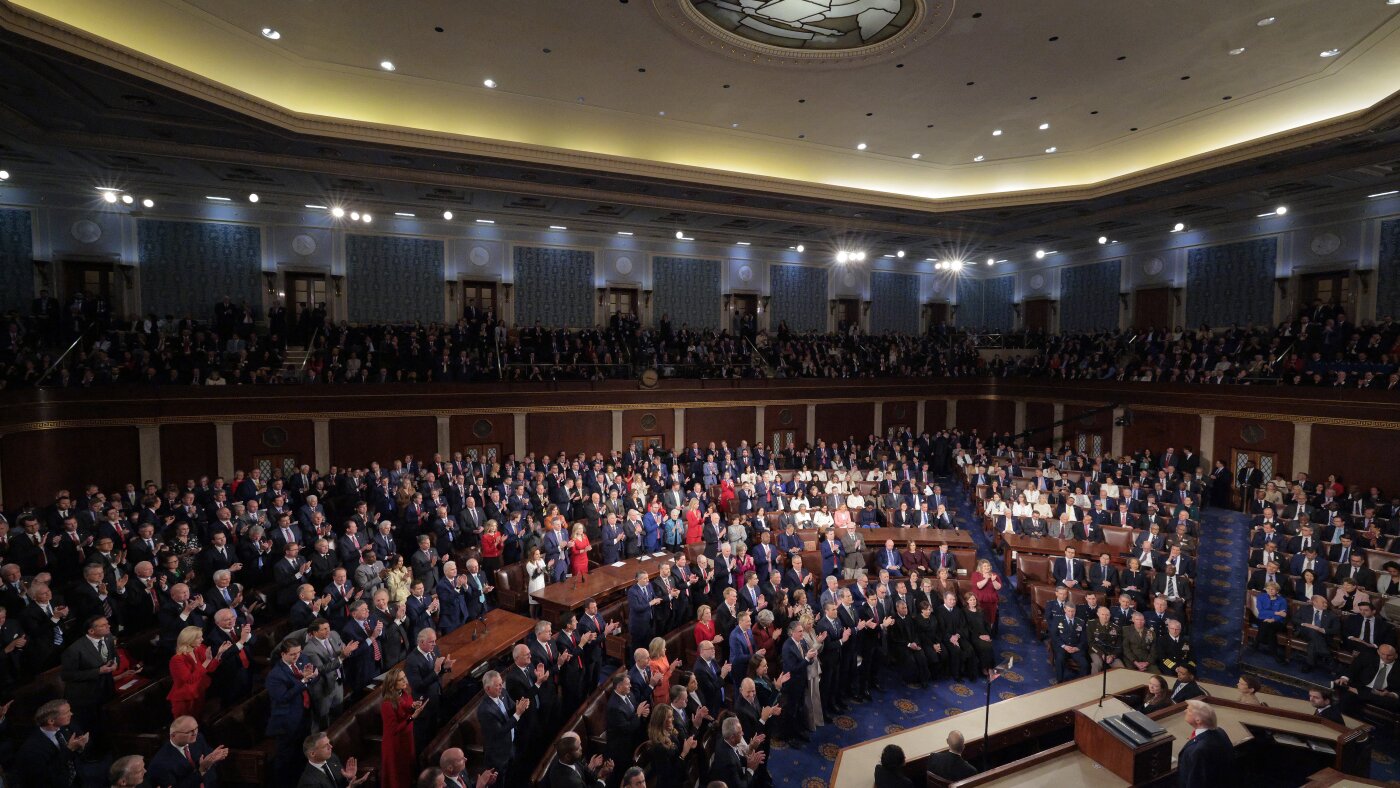
President Trump's State of the Union address was characterized by familiar themes such as immigration, culture, and economic optimism. Despite widespread concern among voters about high prices and the cost of living, Trump downplayed these economic hardships and instead highlighted positive economic indicators. He doubled down on his tariffs, even after a Supreme Court ruling against them, and criticized the Court's decision. The speech was lengthy and theatrical, lacking a detailed legislative agenda, and focused on energizing his political base rather than reaching beyond it. The Democratic response, delivered by Virginia Governor Abigail Spanberger, focused sharply on economic issues, criticizing Trump for failing to address voters' concerns. The article suggests that public opinion about Trump is largely fixed, and that his approach in the address is unlikely to shift the political landscape significantly ahead of the midterm elections.
Biblical Reflection
Scripture speaks often about the importance of truth, humility, and caring for the needs of others—especially those who are struggling. In this address, the president's focus on positive self-presentation while neglecting to acknowledge the real economic pain many Americans feel stands in tension with biblical values of honesty and compassion (see Proverbs 16:18, Philippians 2:3-4). Leaders are called to be servants who listen to and care for the people they serve (Mark 10:42-45). The lack of a genuine acknowledgment of hardship and the use of divisive rhetoric are reminders of the dangers of pride and self-interest in leadership. The speech also highlights the deep divisions in American political culture, with both sides quick to criticize and slow to listen (James 1:19). Christians are called to seek truth, pray for leaders, and work toward unity and justice, remembering that our hope is not in any one political leader but in God, who calls us to love our neighbors and speak truth in love.
Scripture in context
This outlook does not yet include contextual Scripture citations. Do not treat a general biblical theme as an exegetical conclusion.
Faithful Response
No prescribed response is offered. Consider the reflection prompts below in your own church context.
Reflection and Discussion
- 1How do I respond when leaders overlook the real struggles of people in my community?
- 2In what ways can I model humility and compassion in my conversations about politics?
- 3How can I pray for and encourage leaders to act with honesty and servant-heartedness?
Sources
Reporting links are evidence inputs; Sanctuary News' biblical reflection is commentary.
This outlook currently relies on fewer than two linked sources. Broaden verification before teaching from it.
- 1.Original reportprimary