News Summary
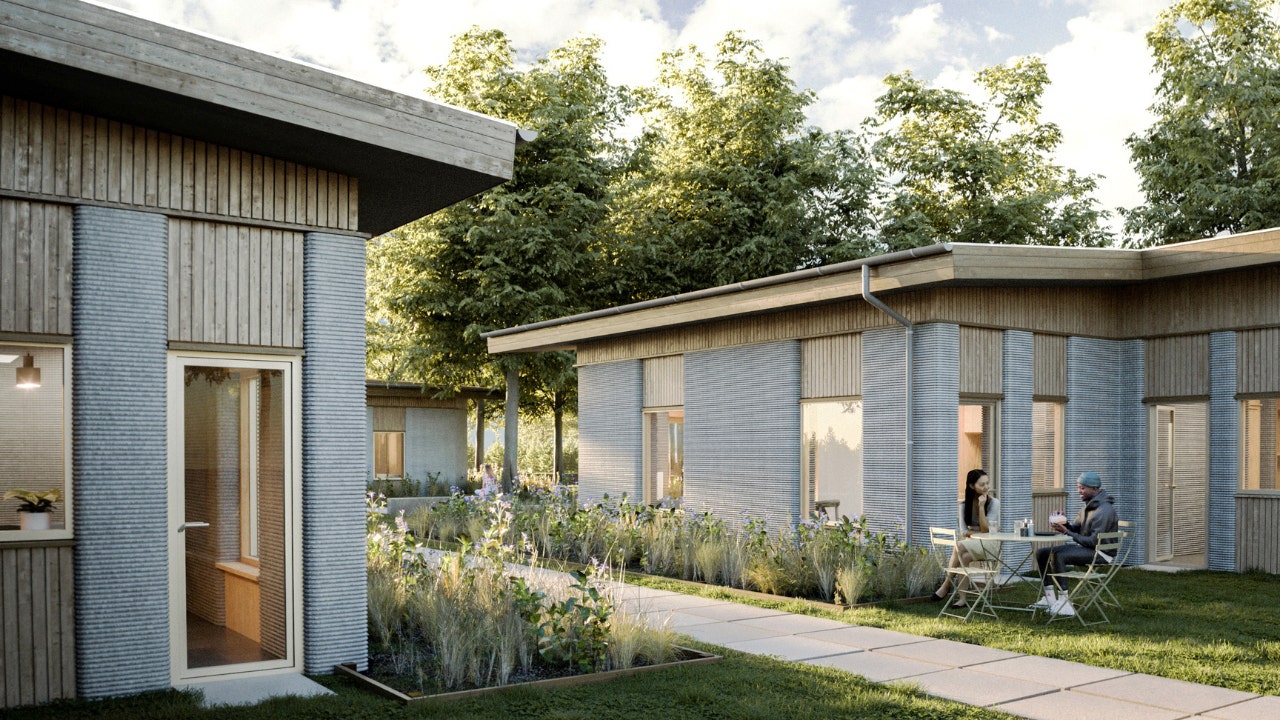
The article highlights the Skovsporet project in Holstebro, Denmark, which is Europe's largest 3D printed housing effort to date. The development is designed to provide 36 student apartments near VIA University College, using advanced 3D printers to construct buildings quickly, efficiently, and with minimal waste. The project is notable for its high degree of automation, requiring only a small crew to oversee the work, while robots and 3D printers handle most of the heavy lifting. By the final stages of construction, the team was able to print an entire building in just five days. The apartments are compact but well-designed, each with a kitchen, study area, lounge, bathroom, and bedroom. Environmental considerations were prioritized, with low-carbon cement and preservation of most of the site's trees. The project aims to address housing shortages and showcases how digital technology and sustainable practices can meet community needs. The article suggests that this approach could be a model for future housing solutions worldwide.
Biblical Reflection
From a scriptural perspective, the Skovsporet project demonstrates positive stewardship of resources, creativity, and a concern for community welfare—all values affirmed in the Bible. The use of technology to provide affordable, quality housing for students reflects a desire to meet human needs efficiently and sustainably. Scripture encourages believers to use their gifts and resources wisely for the good of others (1 Peter 4:10), and to care for the earth (Genesis 2:15). However, it's also important to remember that while innovation and efficiency are valuable, they must not eclipse compassion, relationships, and the dignity of work. As automation increases, Christians are called to think carefully about its impact on employment and community, ensuring that technology serves humanity rather than the other way around. The project’s focus on sustainability and minimal environmental impact aligns with biblical calls to care for creation, reminding us that progress should respect the world God has entrusted to us.
Scripture in context
This outlook does not yet include contextual Scripture citations. Do not treat a general biblical theme as an exegetical conclusion.
Faithful Response
No prescribed response is offered. Consider the reflection prompts below in your own church context.
Reflection and Discussion
- 1How can I use my own gifts and resources to serve others in my community?
- 2In what ways might technological advances challenge or enhance our call to care for creation and one another?
- 3How can we ensure that efficiency and innovation do not overshadow compassion and human dignity?
Sources
Reporting links are evidence inputs; Sanctuary News' biblical reflection is commentary.
This outlook currently relies on fewer than two linked sources. Broaden verification before teaching from it.
- 1.Original reportprimary