News Summary
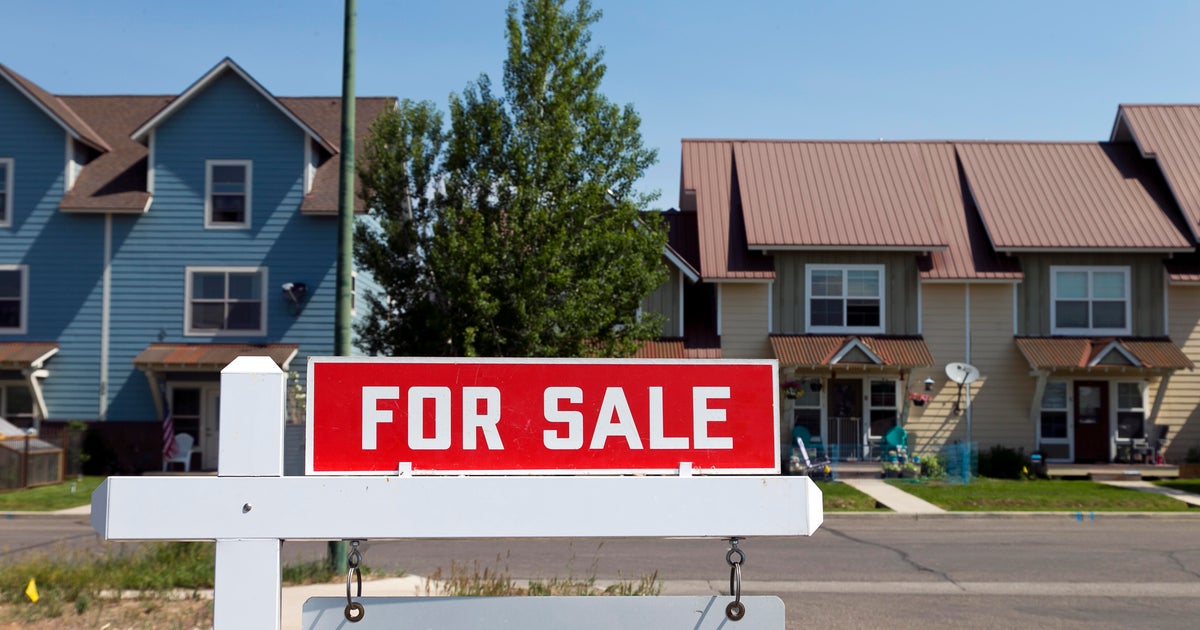
Zillow's analysis finds 242 U.S. metropolitan areas now have "starter homes" with values of at least $1 million; that number has roughly tripled since 2020. Zillow defines a starter home as a house in the lowest third of home values within a given region. The article attributes price gains to a pandemic-era shortage combined with strong demand and low mortgage rates. Zillow reports California accounts for most such high-priced starter-home cities (105), and that the phenomenon has spread into the Northeast while some Sun Belt markets moderated due to increased supply. Nationally, Zillow noted the typical starter home remains under $200,000; the National Association of Realtors puts the median home near $418,000. Redfin estimates households need about $117,000 in annual income to afford the average home and that an average-earning household would pay roughly 40% of income for a median-priced home, above common affordability advice of keeping mortgage costs near 30% of income after a typical down payment.
Biblical Reflection
The article is primarily data-driven and cites reputable industry sources, but its headline framing can create alarm unless readers note Zillow’s regional definition of “starter home.” Calling a lowest-third regional home a "starter home" highlights how expensive entry-level housing has become in many metros, yet masks large regional variation — most starter homes nationwide remain far below seven figures. The underlying reality is an affordability and supply problem that disproportionately burdens young adults, first-time buyers, and lower-income families. From a Christian perspective, this raises questions about communal responsibility: ensuring stable housing for families reflects neighbor-love, justice, and stewardship of resources. Christians should be attentive both to the factual limits of the report’s framing and to concrete responses — supporting policies and local efforts that increase affordable supply, protect vulnerable renters and buyers, and promote fair lending — while resisting fear or resentment toward those who own higher-priced homes.
Scripture in context
This outlook does not yet include contextual Scripture citations. Do not treat a general biblical theme as an exegetical conclusion.
Faithful Response
No prescribed response is offered. Consider the reflection prompts below in your own church context.
Reflection and Discussion
- 1How does defining a "starter home" relative to local markets change how we perceive affordability nationwide?
- 2What responsibilities do churches and Christian communities have in responding to housing shortages and protecting vulnerable households?
- 3Are we letting headline framings of scarcity drive fear or turning that concern into constructive action for justice and neighbor-care?
Sources
Reporting links are evidence inputs; Sanctuary News' biblical reflection is commentary.
This outlook currently relies on fewer than two linked sources. Broaden verification before teaching from it.
- 1.Original reportprimary