News Summary
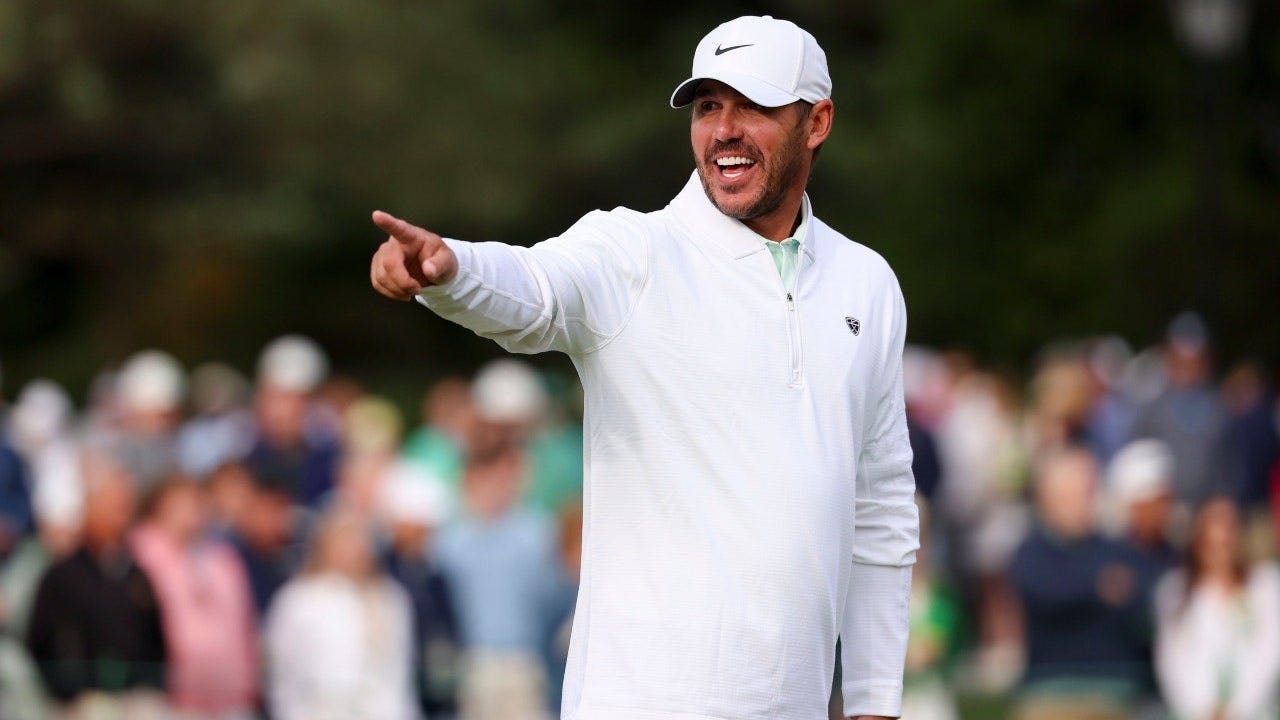
The Fox News/OutKick article outlines recommended non-outright betting strategies for the 2026 PGA Championship at Aronimink Golf Club. Rather than picking an outright winner among the 156-player field, the piece promotes derivative markets — top-5/10/20 placements, matchups, and group bets — as higher-probability plays. The writer highlights several players as preferred non-outright options based on recent form and course fit: Brooks Koepka (noting solid recent finishes and three PGA titles), Patrick Reed (noted as having last played in the Masters), Matt Fitzpatrick (cited for recent wins and top-10 major history), Patrick Cantlay (noted for recent finishes and putting on bentgrass), Tyrrell Hatton (favored over Jon Rahm in some matchups), and Canadian Taylor Pendrith as a value pick in the 'Top Canadian' market. The article gives brief analysis of course characteristics (bentgrass greens, wedge play) and how those favor or hinder specific players, and it is authored by Geoff Clark of OutKick Bets with distribution via Fox News.
Biblical Reflection
From a Christian perspective, the article is primarily informational and advisory about sports betting, presented from the viewpoint of profit-seeking and risk management. Its intent is to normalize and optimize wagering by steering readers toward markets with perceived higher probability and value. That framing assumes gambling is an acceptable recreational and financial activity, prioritizing potential gain and technical analysis over conversation about risk, addiction, or the wider ethical and relational costs of gambling. The piece is opinion-driven sports analysis rather than investigative reporting; claims about player form and course fit are reasonable sports commentary but reflect the writer’s judgments and betting incentives. Scripture consistently warns about the dangers of loving money or placing our hope in gain (1 Timothy 6:10). Christians should therefore notice the article’s underlying values—competition, profit, and calculated risk—and weigh them against biblical priorities such as stewardship, love of neighbor, and self-control. Appreciating the skill and drama of sport itself is not objectionable, but habitual or monetized gambling can conflict with wise stewardship and care for vulnerable people affected by gambling harms. In engaging with content like this, discern whether the emphasis on maximizing returns overshadows honest attention to risk and the wellbeing of oneself and others.
Scripture in context
This outlook does not yet include contextual Scripture citations. Do not treat a general biblical theme as an exegetical conclusion.
Faithful Response
No prescribed response is offered. Consider the reflection prompts below in your own church context.
Reflection and Discussion
- 1How does the article’s language ('smart money,' 'value play') normalize wagering and what assumptions about risk and character might that reveal?
- 2What voices or perspectives are missing from this coverage (for example, those about addiction, stewardship, or the social costs of gambling)?
- 3When sports analysis becomes a guide to profit, what biblical priorities (stewardship, love for neighbor, self-control) should temper how we receive and use that information?
Sources
Reporting links are evidence inputs; Sanctuary News' biblical reflection is commentary.
This outlook currently relies on fewer than two linked sources. Broaden verification before teaching from it.
- 1.Original reportprimary