A little more detail
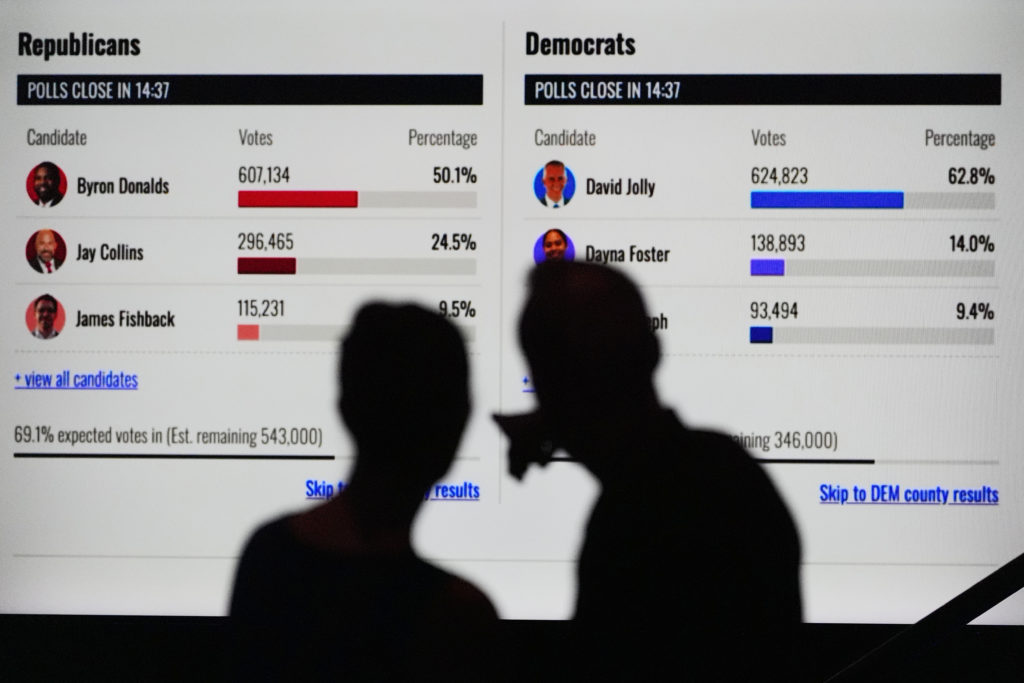
PBS NewsHour reports that counting for the 2026 midterms may not produce immediate, nationwide results and that delays — including in major cities — are normal. The piece highlights a recurring misinformation pattern in which elected officials, candidates, and social-media users have characterized late-arriving batches of ballots as "ballot dumps" or "suitcases" of fraudulent votes. PBS frames those characterizations as falsehoods and emphasizes that timing and procedures for counting vary by jurisdiction.
Source and Framing Analysis
The cluster relies chiefly on a PBS NewsHour report that frames late-arriving ballots and extended counting timelines as normal administrative outcomes and identifies a recurring misinformation narrative about "ballot dumps." PBS presents these claims as falsehoods and attributes them broadly to elected leaders, candidates, and social-media users. Strengths: the piece responsibly warns against premature conclusions and contextualizes how delays can be expected. Limitations and uncertainties: the report excerpt is brief and does not provide state- or city-level timing data, specific examples or dates of debunked claims, or empirical timelines showing how long past counts took. It therefore serves well for high-level corrective framing but needs independent, jurisdictional sources (state and county election offices, Secretaries of State, or election-administration studies) for quantitative detail and for tracking how counts are progressing in specific contests.
How sources covered this story
Sanctuary separately assesses reporting quality and alignment with Christian virtues. The virtues assessment considers truthfulness, dignity, compassion, justice, peacemaking, humility, and care for vulnerable people. It does not assess a publisher's faith or reward religious language.
Compare 1 reports
Reporting 80/100Virtues 85/100
- Distinctive contribution
- States that elected leaders, candidates, and social media users have spread falsehoods claiming that late-night arrivals of ballots or 'suitcases' of ballots indicate fraud and that only Democratic-led cities take days to count votes.
- Framing
- Presents these claims explicitly as falsehoods and attributes them to multiple actor types (elected leaders, candidates, social media users), signaling a debunking/contextualizing stance.
- Omissions or uncertainty
- The excerpt is brief and does not provide specific examples, dates, jurisdictions, evidence, or quantitative data about how often these claims occurred or why delays actually happen. It does not cite sources for the assertion that these claims were spread.
- Why these scores
- Concise, responsibly worded contextual claim that identifies a pattern of misinformation and attributes it broadly; appropriate debunking tone. Score reduced from top-tier because the supplied text is short and lacks specific examples, sourcing, or data in the excerpt. Affirms truthfulness by labeling falsehoods and helps protect public understanding—actions that align with virtues like honesty, care for the vulnerable (by reducing misinformation harms), and humility in attribution. No dehumanizing or sensational language evident; score reflects constructive, responsible framing.
Biblical Reflection
Christians are called to pursue truth, protect the vulnerable, and preserve communal peace. In response to news that the 2026 midterm results may take time to count, the Christian outlook asks believers to (1) resist the quick spread of unverified accusations that can inflame fear and distrust, (2) practice patient, humble communication that comforts anxious neighbors, and (3) advocate for lawful, transparent, and humane treatment of election workers. Truth-telling should be paired with mercy: correct false claims without shaming individuals, offer pastoral care to those distressed by uncertainty, and work for institutional transparency without fevered partisanship. These actions honor the common good and the dignity of all participants in our civic life.
Scripture in context
- 1 — Paul's ethical instruction to the Ephesian church urging members to put away falsehood, speak truthfully, and act in ways that build up the body of believers within a letter that addresses unity and new-life behavior. — This passage encourages honest speech and warns against destructive rumors. It calls Christians to correct falsehoods faithfully, to avoid gossip, and to prioritize community trust—practices directly relevant when election-related claims circulate.
Faithful Response
Before sharing claims about late-arriving ballots or alleged "ballot dumps," verify with official state or county election websites and authoritative election-administration sources. Pause before resharing alarming social-media posts; ask whether a named election official or jurisdiction has provided data. Offer calm pastoral care for anxious neighbors and public prayer for election workers. Convene or point people to nonpartisan, factual briefings about how local counting works. When speaking, emphasize humility and verified facts, and call for lawful, transparent processes rather than accusatory or dehumanizing language.
Reflection and Discussion
- 1When I see an alarming post about late-arriving ballots, where do I look first to verify it?
- 2How can my speech and actions comfort neighbors who fear election fraud without amplifying unverified claims?
- 3What practical steps can our church take to educate and calm our community during an extended count?
- 4How do we balance vigorous concern for electoral integrity with care for the dignity of election workers and officials?
Sources
Reporting links are evidence inputs; Sanctuary News' biblical reflection is commentary.
This is a developing, single-source report. Details may change as more reporting becomes available.
- 1.When will we know 2026 midterm election results? It may take some time, but that's normalprimary_reporting