News Summary
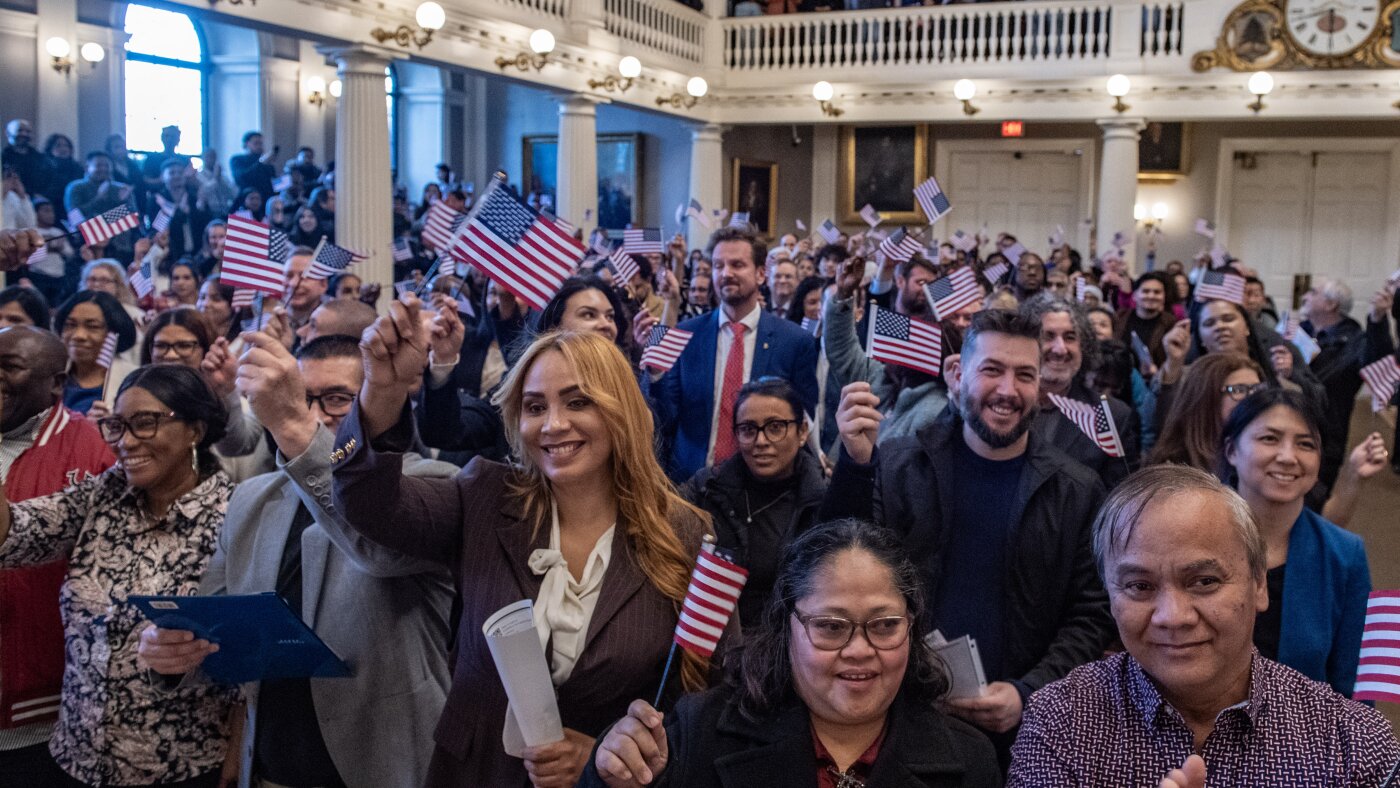
Newly released USCIS monthly data show large swings in 2025 in both applications for U.S. naturalization and approvals. Early in 2025 application and approval volumes were high—270,290 people applied from February through April, and the largest single-month approval number tracked (since 2022) was 88,488. By January 2026 approvals had fallen to 32,862, the lowest monthly total in the tracked period. Applications peaked at 169,159 in October 2025 and then dropped to 41,478 the next month. Overall completions (approvals plus denials) fell from 78,379 in September 2025 to 37,832 by January 2026.
Observers and former officials quoted in the article attribute the volatility to policy changes and political messaging under the second Trump administration—heightened deportation rhetoric, stepped-up enforcement, and new USCIS screening measures. USCIS said it reintroduced the 2020 civics test, strengthened English requirements, began screening social media for disqualifying activity, restored neighborhood investigations, emphasized “good moral character,” and paused adjudications for applicants from one of 39 countries and for those with Palestinian Authority travel documents. The agency also said it would not take shortcuts in adjudications; USCIS Director Joseph Edlow framed the changes as restoring security and integrity to the immigration system.
The article links a November incident—an alleged shooting by an Afghan national in Washington, D.C.—to some of the restrictions and reports that some people were denied entry to scheduled citizenship ceremonies in December 2025 and January 2026. Immigration advocates and local officials interviewed said fear of enforcement and distrust of federal agencies reduced the willingness of eligible immigrants to apply or to engage with the system. Some applicants said they sped up naturalization applications in early 2025 out of concern about potential deportation actions or anticipated rule changes.
Biblical Reflection
From a Christian perspective this story raises two main concerns: the legitimate role of government to protect public safety and the biblical call to treat strangers with justice and compassion. The article documents real administrative changes and policy rhetoric that plausibly influenced immigrant behavior—people reported applying earlier out of fear, and later avoiding interaction with agencies because they felt vulnerable. Those are real human effects that call for pastoral empathy.
At the same time, readers should note the article’s framing and sources: it foregrounds the experiences and fears of immigrants and critics of the administration, and it relies on interpretation from advocates and former officials who see the changes as exclusionary. The piece also cites USCIS statements about security measures. The truth likely includes both elements—security-driven policy adjustments and the predictable chilling effect of punitive rhetoric. Christians should resist simplistic binaries (either absolute openness or absolute exclusion) and evaluate both the need for lawful, secure immigration procedures and the moral duty to protect the dignity and safety of immigrants.
Scripturally informed discernment asks us to seek justice, love the foreigner, and hold leaders accountable to integrity (Micah 6:8; Leviticus 19:33–34). It also asks us to guard against fear-driven narratives that dehumanize people or strip them of due process. Where policy is necessary for legitimate security reasons, it should be implemented transparently, fairly, and with minimal collateral harm to vulnerable families. Where rhetoric fuels fear, Christians should speak for truth and compassion, encourage fair treatment, and pray for wise, honest governance.
Scripture in context
This outlook does not yet include contextual Scripture citations. Do not treat a general biblical theme as an exegetical conclusion.
Faithful Response
No prescribed response is offered. Consider the reflection prompts below in your own church context.
Reflection and Discussion
- 1What assumptions about national identity and security does the article reveal, and how might those assumptions shape who is treated as ‘belonging’?
- 2How should Christians weigh legitimate public-safety procedures against evidence that enforcement and political rhetoric create fear and deter people from engaging with lawful processes?
- 3Which voices are most present in the article (advocates, former officials, agency spokespeople) and whose perspectives might be missing when evaluating the fairness and impacts of policy changes?
Sources
Reporting links are evidence inputs; Sanctuary News' biblical reflection is commentary.
This outlook currently relies on fewer than two linked sources. Broaden verification before teaching from it.
- 1.Original reportprimary