News Summary
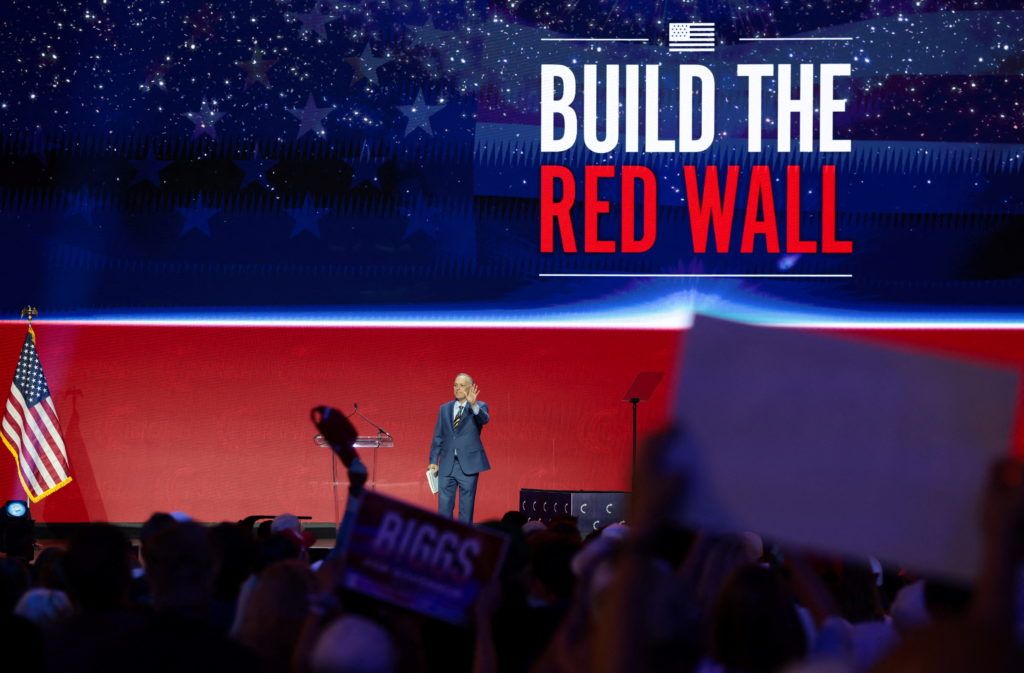
PBS NewsHour reports that, in several battleground states, Republican candidates who have questioned the legitimacy of the 2020 presidential election are on the ballot for statewide offices. The report notes that offices such as governor and secretary of state oversee election administration and certification, and therefore such candidates, if elected, could influence how elections are run and certified. The piece is filed by White House correspondent Liz Landers. The supplied coverage is prospective and does not name specific candidates or states or provide detailed evidence about claims those candidates made.
Source and Framing Analysis
Primary source: PBS NewsHour (report by Liz Landers). The article’s headline uses the phrase 'election deniers,' while the body language supplied is more measured—saying candidates 'questioned the legitimacy' of the 2020 result. That difference illustrates a framing choice: the headline is more polemical, the body wording is more descriptive. The story is careful to frame effects as conditional ('could shape...') rather than asserting concrete changes. Material omissions in the supplied summary include specific names of candidates, which battleground states are meant, the precise claims or evidence those candidates advanced, and any response from the candidates or their supporters. Because the piece is forward-looking about possible consequences, it raises important civic concerns but leaves factual gaps that require follow-up reporting and direct sourcing.
How sources covered this story
Sanctuary separately assesses reporting quality and alignment with Christian virtues. The virtues assessment considers truthfulness, dignity, compassion, justice, peacemaking, humility, and care for vulnerable people. It does not assess a publisher's faith or reward religious language.
Compare 1 reports
Reporting 72/100Virtues 75/100
- Distinctive contribution
- States that election-denying Republican candidates are on the ballot in several key battleground states and highlights the specific potential consequence that winning statewide offices (governor, secretary of state) would allow them to shape election administration and certification.
- Framing
- Framed as a cautionary news note: it emphasizes potential future consequences for election administration and certification without forensic claims about past fraud. The tone is informative and concern-focused.
- Omissions or uncertainty
- The excerpt omits which states and which candidates are involved, any evidence of their alleged positions or actions, vote totals or polling, examples of how they would change administration/certification, and sourcing or quotes. It does not quantify how many candidates or the likelihood they will win.
- Why these scores
- As a short news summary from a reputable outlet, the wording is careful (uses 'could' and identifies offices), and it attributes the reporting to a correspondent. It is appropriately cautious but limited in specificity; the excerpt lacks named actors, specifics, and sourcing that would raise the score higher. The excerpt is truthful and measured, avoiding inflammatory language or dehumanization. It highlights a civic concern (protection of fair elections) which aligns with care for the common good and justice. The briefness limits explicit compassion or restorative context, so it does not score higher.
Biblical Reflection
This report raises sober, practical concerns for Christians who care about truth, justice, and the peaceful ordering of civic life. The presence on ballots of candidates who publicly questioned the 2020 results and who seek offices that oversee elections legitimately spotlights stewardship of democratic institutions: Christians should want election processes to be fair, transparent, and trustworthy because stable institutions protect neighbors and the vulnerable. At the same time, Christian practice requires holding truth and mercy together: insist on careful verification and lawful remedies for proven problems while avoiding blanket demonization of opponents or treating contested allegations as settled fact. Practically, faithful Christian engagement includes prayerful discernment, verifying claims, participating in civic processes (voting, volunteering, lawful oversight), supporting policies that increase transparency, and seeking the common good through justice and reconciliation.
Scripture in context
- 1Romans 13:1-7 — Paul’s instructions to Christians living under imperial authority in the Roman Empire, addressing the role of governing authorities and the believer’s attitude toward them. — This passage reminds Christians that civil institutions have a role in ordering public life; believers should respect legitimate authority while also calling those in power to justice and truth and resisting unjust authority by lawful, peaceful means when necessary.
- 2Ephesians 4:15 — Paul’s guidance about communal speech and growth in Christian maturity—speaking the truth in love for building up the body. — Christians should insist on truth but deliver it with love and restraint, so public critique pursues restoration and accountability rather than merely stoking division or scoring political points.
Faithful Response
Distinguish reporting from opinion: verify specific claims before sharing or acting on them; seek primary sources and multiple reputable outlets for confirmation.
Engage constructively in civic life: vote, attend nonpartisan informational forums, serve as poll workers or observers where permitted, and support policies that increase election transparency and access.
Hold leaders accountable lawfully: favor legal remedies, public records requests, and transparent oversight rather than extra-legal actions or intimidation.
Pastoral care within congregations: provide space for anxious members to ask questions, correct misinformation gently, and emphasize duties of neighbor-love and civic responsibility.
Pray for leaders, election administrators, and communities: ask for wisdom, fairness, and protection for vulnerable voters while praying for reconciliation where trust is broken.
Reflection and Discussion
- 1How do I balance a zeal for electoral integrity with humility about what I personally know and can verify?
- 2What steps can I take to encourage transparent, lawful election administration in my state or locality?
- 3When political rhetoric increases fear, how can my congregation practice truth-telling that also pursues peace and the dignity of neighbors?
- 4What concrete safeguards and civic practices reduce the risk that any single officeholder could undermine fair processes?
Sources
Reporting links are evidence inputs; Sanctuary News' biblical reflection is commentary.
This outlook currently relies on fewer than two linked sources. Broaden verification before teaching from it.
- 1.2020 election deniers on the ballot for key offices in battleground statesprimary_reporting