News Summary
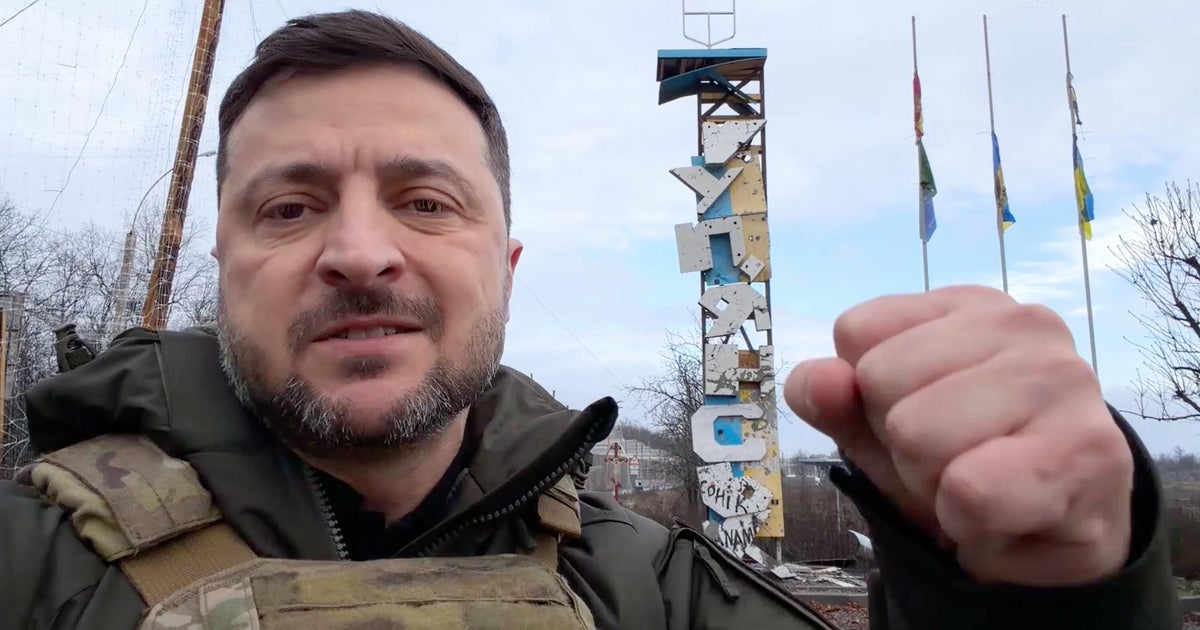
The article details recent developments in the ongoing war between Russia and Ukraine. A drone attack in Russia's Saratov region resulted in two deaths and damage to a residential building, kindergarten, and clinic. Russia claims to have shot down 41 Ukrainian drones. Meanwhile, Russian strikes targeted Ukrainian energy and port infrastructure overnight, leaving thousands without electricity across several regions and causing a fire at grain silos in Odesa. Ukrainian officials accuse Russia of trying to cripple the power grid as winter approaches. Amid these attacks, U.S.-led peace talks are ongoing, facing obstacles regarding control of occupied territories. Russian officials insist on maintaining a presence in eastern Ukraine's Donbas region even after any potential settlement, a condition Ukraine is likely to reject. High-level diplomatic efforts continue, with Germany set to host Ukraine's president for further talks.
Biblical Reflection
Through the lens of Scripture, this article underscores the tragic cost of human conflict, especially on innocent civilians. The targeting of infrastructure vital for survival, such as energy and food supplies, reflects a disregard for the well-being of ordinary people—a practice at odds with biblical commands to love one's neighbor (Mark 12:31), seek peace, and care for the vulnerable. The relentless cycle of violence and the use of suffering as leverage in negotiations reveal the fallen nature of humanity. The peace talks, while a glimmer of hope, are marred by power struggles and territorial ambitions, reminding us that lasting peace cannot be achieved through coercion or self-interest, but requires humility, repentance, and a commitment to justice and reconciliation. Christians are called to pray for peace, advocate for justice, and support those who suffer, remembering Jesus’ words: 'Blessed are the peacemakers' (Matthew 5:9). In a world torn by war, believers must stand as witnesses to Christ's peace and compassion.
Scripture in context
This outlook does not yet include contextual Scripture citations. Do not treat a general biblical theme as an exegetical conclusion.
Faithful Response
No prescribed response is offered. Consider the reflection prompts below in your own church context.
Reflection and Discussion
- 1How can I pray for and support those suffering from war and violence, even from afar?
- 2In what ways am I called to be a peacemaker in my own community and relationships?
- 3What does it look like to seek justice and compassion in the face of ongoing conflict?
Sources
Reporting links are evidence inputs; Sanctuary News' biblical reflection is commentary.
This outlook currently relies on fewer than two linked sources. Broaden verification before teaching from it.
- 1.Original reportprimary