A little more detail
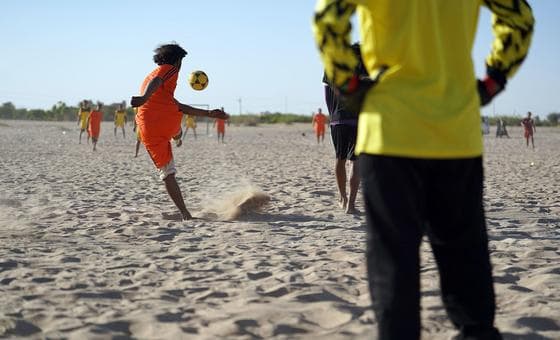
The World Health Organization’s new global estimates, reported by UN News, say one in four adolescents worldwide did not get at least 60 minutes of physical activity on any day in the previous week. The UN News headline frames the findings as roughly 15 years of “almost no progress” in raising youth activity.
The supplied excerpt attributes the prevalence figure to WHO but does not provide the WHO report text, regional breakdowns, age or sex disaggregation, methodology details, sample size, or trend evidence to support the 15-year framing.
Source and Framing Analysis
UN News attributes the numeric finding to WHO and emphasizes a long-term lack of progress in its headline. The supplied item gives a clear, attributable prevalence estimate and a recall timeframe ('previous week'), which is useful. However, the excerpt omits the underlying WHO data and methods and does not show regional or demographic breakdowns. That gap makes it hard to evaluate the headline’s trend claim and to know which populations are most affected.
How sources covered this story
This section compares the evidence and framing in linked reports. The Christian assessment above addresses the conduct described in the story; it does not grade a journalist’s faith or the morality of covering an event.
Compare 1 reports
Reporting 78/100
- Distinctive contribution
- Provides a concrete prevalence figure (1 in 4 adolescents) and a clear short timeframe ('on any day in the previous week') attributed to new WHO global estimates.
- Framing
- Concise, neutral reporting that attributes the statistic to the World Health Organization and specifies the recall timeframe (previous week).
- Omissions or uncertainty
- No methodological details (sample size, countries covered, age range defining 'adolescents', survey method, response rates), no date for the WHO release beyond 'Wednesday', no regional or trend breakdowns, and no explanation of how '60 minutes' was measured or defined. The headline referenced in the title ('15 years of ‘almost no progress’') is not elaborated in the supplied excerpt.
- Why these scores
- The excerpt is accurate, specific, and properly attributed to WHO—appropriate for a brief news item. It responsibly communicates a single key statistic and timeframe. It loses points for lacking methodological context and supporting detail (sampling, definitions, uncertainty) that would be important for fully evaluating the claim.
Christian commentary · About the conduct described in this story
Biblical Reflection
–20 connects bodily care to Christian discipleship without reducing people to utility. The passage invites us to treat bodies—especially young bodies—as entrusted gifts, not merely private choices.
Practically, Christians can respond with mercy and justice: encourage safe, accessible physical activity for youth, pray for leaders and families facing barriers, and support programs or policies that remove structural obstacles to movement.
Scripture in context
- 1 — Paul addresses Christian conduct, arguing that the body is a temple and should be honored; the passage is part of broader ethical teaching about how belief shapes daily living and community responsibilities. — This passage supports viewing bodily health as a form of stewardship — caring for the body so one can serve God and neighbor — and grounds Christian concern for policies and local practices that help young people be healthy.
A suggested response for readers, separate from the assessment above.
Faithful Response
Start or support a regular, safe physical-activity program for teens (walks, sports nights, or active clubs) at church or with local partners.
Reflection and Discussion
- 1How does the reported lack of adolescent activity affect our view of bodily stewardship and community care?
- 2What local barriers (safety, time, access) might explain low youth activity, and how should Christians respond?
Sources
Reporting links are evidence inputs; Sanctuary News' biblical reflection is commentary.
This is a developing, single-source report. Details may change as more reporting becomes available.
- 1.15 years of ‘almost no progress’ in getting young people moving: WHOofficial_document