News Summary
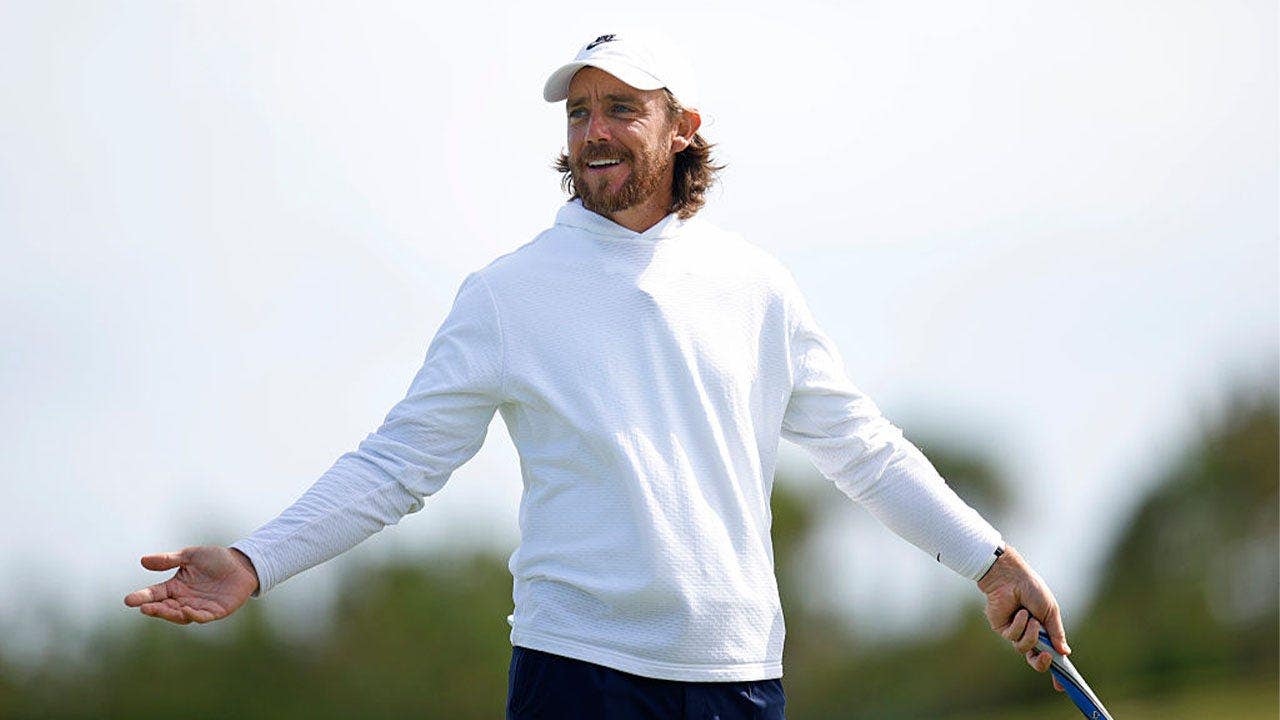
A 15-foot bronze statue of former President Donald Trump, coated in gold leaf and dubbed "Don Colossus," was installed at Trump National Doral between the first tee and the driving range in time for the PGA Tour's Cadillac Championship. The statue, depicting Trump raising his fist and said to commemorate his survival of an assassination attempt in July 2024, was sculpted by Alan Cottrill. It was commissioned in August 2024 by a cryptocurrency group called $PATRIOT; Cottrill was reportedly paid $300,000 for the bronze and $60,000 for the gold leaf. The statue had been held in Ohio until payment and agreements were finalized, after which Cottrill transported it to Miami for installation. Social media users called for boycotts of the tournament over the statue's placement at the Trump-owned property. Several PGA Tour players quoted in reporting — including Rickie Fowler, Brian Harman, and Tommy Fleetwood — said the statue was on private property and expressed neutral or lighthearted reactions, noting the owner may do what he wishes on his property. The installation drew public attention in the days immediately before the tournament's opening round.
Biblical Reflection
The story combines public spectacle, property rights, political symbolism, and polarized public reaction. Objectively, the statue is an expression by the property owner and donors; players competing at the event treated it largely as background, while online commentators reacted strongly. The article's tone leans toward normalizing the players' neutral responses and dismissing critics as detached, which is a framing choice that privileges private-property prerogative and the on-the-ground perspective over online activism. From a biblical perspective, there are two overlapping concerns: first, the human tendency to elevate leaders or symbols to undue status (a form of idolizing), and second, the call to Christian wisdom in how we respond to public controversies. Scripture warns against idolatry and placing trust in human leaders (see Exodus 20), but it also calls believers to humility, peaceable living, and measured witness. Public symbols and political loyalties will provoke strong feelings; Christians should ask whether outrage or protest advances truth, justice, and love, or simply fuels division and self-exaltation. The article is factually descriptive about the statue’s origin, cost, and installation and reports players' reactions, but its dismissive language about critics reveals bias in framing. Discernment requires separating provocation (a large gold statue) from evils (idolatry, injustice) and responding in a way that reflects Christlike humility, stewardship, and concern for the common good rather than reflexive partisan posturing.
Scripture in context
This outlook does not yet include contextual Scripture citations. Do not treat a general biblical theme as an exegetical conclusion.
Faithful Response
No prescribed response is offered. Consider the reflection prompts below in your own church context.
Reflection and Discussion
- 1Am I treating public symbols or political figures as idols in my affections or conversations, and how does that shape my response?
- 2Does the media framing (casting critics as 'detached' and participants as 'sane') push me toward a particular side before the facts, and what evidence would correct that impression?
- 3When a contested symbol appears in public life, does my reaction aim to promote truth, justice, and unity, or to signal identity and score points?
Sources
Reporting links are evidence inputs; Sanctuary News' biblical reflection is commentary.
This outlook currently relies on fewer than two linked sources. Broaden verification before teaching from it.
- 1.Original reportprimary